The post Wellness Tourism Initiative Trends for 2026 appeared first on Global Wellness Institute.
]]>2026 Trends

Initiative Chair: Katherine Droga, Founder, Well Traveller + Well Traveller TV, Wellness Tourism Summit, Droga & co., Australia
Initiative Vice-Chair: Lindsay Madden-Nadeau, Senior Director Wellness Strategy – Development, Meraki Bespoke Wellness Strategies, Global Head of Wellbeing – Accor Luxury Brands, France
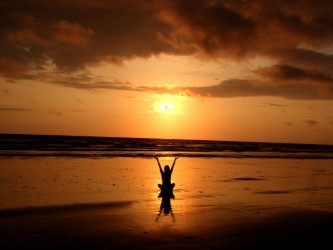
TREND 1: Cocooning Wellness
As global uncertainty continues to shape how we travel, many wellness seekers are turning inward, choosing restorative escapes closer to home for much needed nervous system resets.
Short flights, easy-drive journeys and regional retreats are replacing long-haul trips, offering reassurance and simplicity, while still delivering meaningful and much needed wellbeing.
These “cocooning” wellness trips allow travellers to step away from daily pressures and reconnect with nature without the complexity of global travel. From countryside retreats to coastal sanctuaries and nearby nature escapes, travellers are prioritizing simplicity, safety and emotional restoration.
The result is a form of travel that feels protective and nurturing—wellness journeys that wrap around us like a cocoon when the world feels uncertain.
Example:
- NSW South Coast Wellness Experiences https://www.welltraveller.com.au/destinations/new-south-wales/south-coast
TREND 2: Urban Recovery Travel
City-based travellers want short, clinical-grade recovery without a long journey—less about “detox” claims and more about reducing load: sleep debt, inflammation, stress, pollution exposure and tight bodies.
The scalable format is 48–72-hour urban micro breaks combining recovery technology, movement, nutrition and calm. Biohacking has moved from niche to mainstream motivation, with travellers choosing destinations for diagnostics, recovery technologies and longevity protocols packaged with hospitality-level comfort and design. Some examples include performance-led recovery menus at city wellness clubs/hotels and short “urban renewal” retreat models in Bangkok, New York City and London.
This evolution is transforming cities into accessible wellness hubs where travellers can experience meaningful recovery with easy access to all they need.
Example:
- RAKxa Integrative Wellness Bangkok https://rakxawellness.com/programme/
TREND 3: Destination-Scale Wellness
Wellness tourism is increasingly being enabled by policy and planned at destination scale. Governments, tourism boards and investors are recognizing the economic and social value of wellness tourism and are developing infrastructure that supports wellbeing at a regional level.
Walkable environments, nature protection, thermal bathing traditions, outdoor recreation and year-round wellbeing programming are becoming part of destination strategy rather than simply hotel amenities.
This approach reflects a growing understanding that wellness tourism can enhance both visitor experiences and community wellbeing.
Example:
- AMAALA Wellness Destination Development https://www.redseaglobal.com/en/our-destinations/amaala/
TREND 4: The Rise of Heat Rituals
Traditional bathing cultures are experiencing a renaissance. Sauna is becoming an event featuring guided ceremonies, music, scent, craft and shared etiquette, turning heat bathing into a social ritual with real emotional payoff. The destination opportunity is public-facing thermal culture that’s inclusive, repeatable and programmatic, designed as an accessible “third space,” not a niche luxury add-on. This can scale through scheduled rounds, rotating hosts/ritual leaders, and culturally rooted storytelling that makes the ritual feel meaningful rather than performative.
Example:
- Finnish Sauna Culture (UNESCO cultural heritage) https://ich.unesco.org/en/RL/sauna-culture-in-finland-01596
TREND 5: The Demand for Cool Climate Travel
As global temperatures rise and peak seasons feel draining, travellers are shifting towards cooler travel times and destinations where the environment supports vitality.
It is about climate, crowding and comfort considerations—fresh air quality, sunlight and opportunities for outdoor movement without exhaustion.
The demand is also creating new “wellness windows” across the year, where destinations are embracing off-peak months as the optimal time to visit for wellbeing.
Example:
- Swiss Alpine Wellness Destinations https://www.myswitzerland.com/en-au/planning/about-switzerland/sustainability/sustainable-activities/sustainable-winter-activities/wellness-with-a-clear-conscience/
TREND 6: The Nervous System Reset
Wellness travel is increasingly shifting from performance-driven wellness toward nervous system regulation. After years of overstimulation, stress and digital overload, travellers are seeking experiences that help the body slow down and recover rather than push harder.
Retreats and destinations are responding with programs built around breathwork, slow movement, mindfulness, sound therapy and nature immersion—practices designed to move the body out of a constant “fight or flight” state. Quiet environments, gentle daily rhythms and digital disconnection.
As travellers seek ways to recover from modern lifestyles, wellness journeys that support nervous system balance are becoming essential tools of travel.
Example:
TREND 7: The Luxury of Privacy
Privacy is becoming the new status signal. It is less about public “wellness theatre” and more about space, quiet and discretion as travellers experience social media fatigue and a desire to disconnect.
Consumers are prioritizing low-density environments, limited-access settings and experiences that don’t feel crowded or overexposed. This is encouraging destinations and operators to design retreats where space, calm and thoughtful service are central to the guest experience.
The result is a new form of luxury defined not by opulence but by quiet, space and the ability to disconnect.
Example:
- Amangiri Desert Retreat Experience https://www.aman.com/resorts/amangiri/experience
TREND 8: The Rise of AI-Designed Wellness Travel
Travellers are moving away from one-size wellness and toward journeys that feel made for them, where pacing, treatments, activities and cultural moments match their goals, interests and energy levels.
AI-enabled itinerary design and guest profiling are allowing destinations and wellness providers to create highly personalized travel experiences that evolve throughout a stay. For travellers, this reduces decision fatigue while improving the flow and relevance of their wellness journey.
This shift signals the beginning of a new era where technology helps create wellness experiences that feel deeply personal.
Example:
- Mindtrip AI Itinerary Planning Platform https://www.mindtrip.ai/product
TREND 9: In Search of Deep Rest
Travellers are increasingly in search of sleep, and wellness travel is responding with sleep- and rhythm-led restoration where the destination itself becomes the intervention.
Dark skies, low noise, dawn/dusk programming and low-stimulus design are engineered to reset circadian timing and deliver measurable recovery. Think lighting, temperature, sound frequency and more.
Proof points include sleep-focused programming which has been trending for a long time with the addition of nature-integrated sleep environments, plus water/mineral bathing circuits that turn protected natural assets into signature wellbeing circuits. Incorporated into this travel trend are Blue Zone travel programs: travellers are choosing locations that embody Blue Zone rituals of life.
Examples:
- Kamalaya Wellness Sanctuary https://kamalaya.com/sleep-enhancement-wellness-program/
- Blue Zone Travel https://www.bluezones.com/exploration/
TREND 10: Longevity Travel – Credibility Matters
Today’s guests are highly informed, wellness claims are easy to research and hype is easy to spot. As a result, travellers are gravitating toward trusted, science-backed programs where they can immerse themselves for wellness stays, build habits that fit their biology and return home with a clear plan to continue. The market may be chasing “longevity,” but the real demand signal is credibility and capability in one place: evidence-led protocols, the right clinical and recovery infrastructure, and an ongoing link to care beyond the stay through follow-ups, coaching and simple take home plans. The demand is less “anti-aging” and more health span: feeling stronger for longer.
Example:
- SHA Wellness Clinic Medical Programs https://shawellness.com/en/
The post Wellness Tourism Initiative Trends for 2026 appeared first on Global Wellness Institute.
]]>The post Aesthetic Health Initiative Trends for 2026 appeared first on Global Wellness Institute.
]]>2026 Trends
Aesthetic health continues to evolve as a key pillar of modern wellbeing. Simply stated, it is the art and science of understanding how the signs and symptoms of beauty impact our lives. The term “aesthetic” is defined as the philosophy of beauty, and so it makes sense that today’s definition is more of an umbrella term and continues to expand. As we review the trends in beauty and health, the focus ties in with the general population’s goals to live healthier overall, be attractive (as one may define it) and live a long life. Evidence continues to mount proving that there is no separation between health and appearance. Aesthetic health has been tied to humans since primitive times. Better teeth, clear skin, beautiful hair and a healthy body have always represented one’s ability to continue strong family lines, and to ensure longevity, which has been a constant quest of mankind. Embracing the influence of beauty on our brains and how that ties into our overall health will take us to new heights in understanding aesthetic health.
Driven by advances in science, technology and education, the leading aesthetic health trends for 2026 highlight a future shaped by innovation, evidence-based practice and increasing accessibility, as patients seek personalized solutions that deliver natural, lasting results to support long term health and preventative care.
TREND 1: The Basic Science of Neuroaesthetics Is Evolving to Ask Questions Beyond Beauty
The reward system is deeply involved in aesthetic appreciation. The ventral striatum, including the nucleus accumbens, shows increased activity for pleasing and preferred objects. This reward circuitry, which normally releases dopamine and endogenous cannabinoids and opioids for biologically significant pleasures, is activated by beautiful faces, artwork, music and even pleasing architectural spaces. However, aesthetics often goes beyond pleasure and liking, and incorporates nuanced emotions. In some instances, negative emotions can contribute to powerful aesthetic experiences, like a sense of anxiety embedded in the experience of awe. Researchers in the US and Europe are uncovering a more complex cocktail of emotions experienced in aesthetic encounters.
The rise in neurocosmetics and the mind-skin connection will bring forward compounds that interact with the skin’s receptors to positively affect emotional states and link psychological health and skincare. This will support the expanding wellness industry by furthering emotional wellbeing and stress reduction, encouraging more businesses to draw on all five senses and produce services and products that customers look forward to buy and consume.
Resources:
- Menninghaus, W., Wagner, V., Wassiliwizky, E., Schindler, I., Hanich, J., Jacobsen, T., & Koelsch, S. (2019). What are aesthetic emotions?. Psychological review, 126(2), 171.
- Fingerhut, J., & Prinz, J. J. (2020). Aesthetic emotions reconsidered. The Monist, 103(2), 223-239.
- Christensen, A. P., Cardillo, E. R., & Chatterjee, A. (2023). What kind of impacts can artwork have on viewers? Establishing a taxonomy for aesthetic impacts. British journal of psychology, 114(2), 335-351.
- Stamkou, E., Keltner, D., Corona, R., Aksoy, E., & Cowen, A. S. (2024). Emotional palette: a computational mapping of aesthetic experiences evoked by visual art. Scientific Reports, 14(1), 19932.
TREND 2: Longevity Aesthetics
Longevity aesthetics is one of the biggest shifts we will see advancing in beauty and health. Instead of trying to “reverse ageing” the focus is shifting towards optimizing biological age and long term health. More brands will begin to offer treatments that improve sleep, recovery, stress resilience and cellular repair, like NAD+ therapy and cellular repair treatments.
Traditional beauty and aesthetics treated wrinkles or sagging skin as cosmetic problems. Longevity aesthetics asks a different question: How old are your cells biologically?
Skin is increasingly viewed as a window into internal health. As a result, services in this area will combine dermatology, nutrition, hormone optimization and metabolic testing.
Future longevity aesthetics will use biological data to guide treatments. Epigenetic age testing, microbiome analysis and wearable health monitors will all be used to treat collagen breakdown, inflammation markers, oxidative stress and hydration levels. The future will be more about looking young through improved health than relying on procedures to hide ageing.
Resource:
- Longevity cosmeceuticals as the next frontier in cosmetic innovation //pmc.ncbi.nlm.nih.gov/articles/PMC12137348/
TREND 3: Psycho-Dermatology – Exploring the Brain/Body Connection and Its Effect on Our Health and Appearance
The link between our mental and physical states and their impact on our skin’s condition and our general health and wellbeing continues to gain momentum. The next chapter of wellness for aesthetic health will be the mind-body beauty connection where mental wellbeing and physical health are more intertwined. The acceleration of the mind/body connection will encourage more brands, spa operators and wellness professionals to enhance the wellness journey with neuro cosmetics, incorporating stress relieving techniques, healing practices and revised routines to accelerate this understanding. People will be willing to pay more for products with mood boosting qualities. Looking good makes people feel more confident and maintaining good mental wellbeing is key to overall wellbeing.
Our current circumstances continue to bring these ideas to light, and beauty presents an opportunity to improve and target this space with new innovations like edible and drinkable products, biometric screening in spa and wellness settings, skin immunity and wider emphasis on integrative wellbeing. Integrative medicine practitioners will be aware of the role that stress plays in disease, and we will continue to see medical and wellness approaches come together to manage stress and prevent skin conditions like acne, rosacea and premature aging.
*Did you know that the brain and skin have the same embryonic origin? Skin and brain form at the same time on day 21 of the embryo, with the outermost part of the embryo – the ectoblast – giving rise to the nervous system and the epidermis. Your skin is therefore a sort of extension of the brain. Its nerve architecture is extremely complex, with no less than 800,000 neurons, 11 meters of nerves and around 200 sensory receptors per cm3. This connection makes it impossible to dissociate the psychic realities that each of us undergoes on a daily basis from the physical ones concerning our skin.
Resource:
- *Prof. Laurent Misery, Head of the Department of Dermatology at the University Hospital of Brest, France
TREND 4: Regenerative Aesthetic Medicine
Sound science and data-backed products and services are not just hoped for by consumers, they are expected. A huge trend is regenerative treatments that repair tissues instead of temporarily filling or freezing them.
The microbiome remains an important focus, and soon we will see a new generation of regenerative biotherapeutics featuring bioactive proteins, growth factors and nucleic acids taking center stage for skin and hair rejuvenation. Exosomes can provide similar benefits to stem cell therapy without many of the unwanted side effects and polynucleotides help improve the skin tissues on a cellular level. Rather than introducing new ingredients, hi-tech performing cosmetic brands will focus on advanced delivery systems for optimum efficacy and outcomes, bringing forth new ways to innovate legacy ingredients and equipment. We will also see tissue regeneration instead of botox style correction, with an emphasis on long term structural improvements
*The field of aesthetic health, particularly in medical aesthetics, has been experiencing significant trends and advancements. There’s a growing preference for less invasive treatments that offer minimal discomfort and require little to no downtime. This trend reflects a shift towards procedures that can be done quickly, often in an outpatient setting, with rapid recovery times. This is driven by factors such as advancements in technology, growing awareness about aesthetic treatments, and an ageing population seeking anti-aging solutions.
Resource:
- *Prof Patrick Treacy Medical Director Ailesbury Clinics MICGP, MBCAM, H. Dip Dermatology, DRCOG, DCH, LRCSI, DTM MB BCh
TREND 5: Hyper-Personalized Aesthetics Using AI and Biomarkers with an integrative approach to singular issues
Technology will allow personalized treatments tailored to an individual’s biology, genetics and lifestyle using AI skin diagnosis, DNA-based skincare, predictive ageing models and real time. Skin and hair will become biomarkers of overall health, linking beauty directly to medical diagnostics.
As the concept of wellness evolves into a whole-person approach to health, 2026 will continue to see an increasing trend where specific issues are addressed through multiple modalities. Take skin health, for example. Instead of solely relying on specific skincare treatments for physical concerns, holistic approaches that incorporate aspects like diet, sleep and mental health will become a standard part of the wellness examination. Addressing aesthetics will involve an approach that encompasses the mind, body and spirit, linking the concept of improving appearance to enhancing overall wellbeing. Similarly, physical products that extend benefits to mental states will gain heightened attention. For instance, food and beverages with ingredients beneficial for digestion that also enhance mood, and cosmetics that not only improve physical appearance but also aim to boost self-confidence and nurture self-care will continue to spotlight the expansion from traditional aesthetics to encompass elevated mental states.
TREND 6: Traditional Ingredients Paired with Innovation
Consumers want innovations, but they also increasingly want the familiar effectiveness of the ingredients and practices they have come to trust over time. In 2026, we will continue to see more products and lifestyle management approaches inspired by traditional practices like Ayurveda, homeopathy, traditional Chinese medicine and Amazonian customs.
Products will blend herbal and plant medicine with modern science, offering solutions that address physical, mental and spiritual wellbeing. By blending time-honored knowledge with contemporary research and technology, brands will be able to deliver more holistic and trusted results. This trend represents the fusion of ancient wisdom and modern science, offering consumers a balanced approach to beauty, health and wellness that feels both innovative and reassuringly familiar.
Resources:
- Eating for Wellness Will Be a Lot Simpler—And More Celebratory—In 2024: https://www.wellandgood.com/wellness-minded-food-brands/
- Beauty + Wellness Category Expands Market by 45% Determines NIQ Report, Dec. 13, 2023: https://www.cosmeticsdesign.com/Article/2023/12/13/Beauty-Wellness-category-expands-market-by-45-determines-NIQ-report
- Formulation Trends Driving Feel-Good Products in Self-Care Rituals: https://beautymatter.com/articles/formulation-trends-driving-feel-good-products-in-self-care-rituals
- Cosmetics Business reveals the top 5 ‘Ancient Beauty’ trends of 2024 in new report: https://cosmeticsbusiness.com/cosmetics-business-reveals-the-top-5-ancient-beauty
- Integrative approach to lifestyle management: Implications for public health research & practice in the context of SDG-3: https://www.ncbi.nlm.nih.gov/pmc/articles/PMC10692374/
The post Aesthetic Health Initiative Trends for 2026 appeared first on Global Wellness Institute.
]]>The post 2026 Massage Makes Me Healthy & Happy Day appeared first on Global Wellness Institute.
]]>Our 2026 theme is Massage for Every Chapter of Life and features presenters Dr. Tiffany Field, CG Funk and Christine Clinton. We invite you to join us on March 20th 12pm EST through the following Zoom link:
https://us06web.zoom.us/j/86766472384?pwd=3dLGKqjnXEsaNOUi63xwYoDOHta6xp.1
The post 2026 Massage Makes Me Healthy & Happy Day appeared first on Global Wellness Institute.
]]>The post The Missing Chapter at Work: Closing the Menopause Talent Gap appeared first on Global Wellness Institute.
]]>
Author: Talya Landau Bsc, CHC
Workplaces have spent the last two decades building policies that support maternity and early parenthood. But they skipped the next chapter: menopause. There is a conversation happening in millions of workplaces – in hushed tones, in hallway conversations, and during quick breaks between meetings. It is a conversation about hot flashes during board meetings, brain fog that erodes confidence, and exhaustion that makes even the most capable leaders question themselves. And most organizations still pretend it isn’t happening.
Caught Between Silence and Stigma
Over the past several decades, the progress of feminism has brought enormous gains, integrating women into a wide range of professions and leadership roles. At the same time, life expectancy has increased and careers have become longer. Together, these shifts have created a new reality the world of work has never fully confronted before: large numbers of experienced women are navigating menopause during the peak years of their professional impact. Yet workplace systems were not designed with this stage of life in mind.
In conversations with women in senior leadership and executives across organizations, the same pattern emerges again and again. On one side are highly experienced women – leaders with decades of expertise, navigating menopause quietly. Many do not want to appear weak. They worry about being perceived as less capable or less reliable. In workplaces that still reward constant strength and control, vulnerability can feel risky. So, they manage the experience privately. On the other side, HR leaders and executive teams often express a different dilemma. Many genuinely want to support women better. But they worry about unintended consequences. Would menopause policies reinforce stereotypes about women being unstable leaders? Would managers start quietly favoring younger employees? Could well‑intentioned support actually backfire?
These are not theoretical concerns. They reflect real tensions inside organizations trying to balance support with perceptions of fairness and performance. Interestingly, some of the strongest resistance to menopause policies sometimes comes from women themselves, who feel this is simply a personal issue they must manage on their own. The result is a difficult tension. Speak up about menopause and risk being seen as “high‑maintenance.” Stay silent and carry the physical and emotional load alone. Neither path is fair. And neither serves organizations.
Menopause is not a private problem to be managed quietly. It is a predictable life transition – much like pregnancy, parental leave, or recovery from surgery – that millions of people experience during what are often their most experienced and valuable professional years. When workplaces ignore this reality, symptoms are often misinterpreted. Difficulty concentrating becomes disengagement. Fatigue becomes a perceived loss of ambition. Requests for small adjustments are interpreted as “being difficult.” The result is real talent, real knowledge, and real leaders leaving organizations. For organizations investing heavily in performance excellence, leadership pipelines, and diversity initiatives, this represents a significant, and often invisible, loss of experience.
The Numbers That Should Wake Us Up
Menopause is not a single moment but a transition that can span several years. Perimenopause alone may last anywhere from two to ten years, often beginning in the 40s, and many women experience symptoms such as hot flashes, night sweats, disrupted sleep, fatigue, and changes in concentration or memory. These symptoms can directly affect daily work performance. This is not a niche issue. By 2030, the global population of menopausal and post‑menopausal women is projected to reach around 1.2 billion. Many of these women will be active members of the workforce, often in senior or highly skilled roles.
The economic implications are substantial. Research from the McKinsey Health Institute estimates that closing the global women’s health gap – with menopause as a major contributor – could add approximately 1 trillion US dollars to the global economy annually by 2040. Employee expectations are also shifting. A multi‑country survey from Catalyst found that 84% of respondents believe employers should provide more menopause support, and more than one‑third say their symptoms have already affected their work performance.
Despite business and economic implications, only a small percentage of organizations currently have formal menopause policies or workplace support structures in place. Legal and regulatory signals are also beginning to emerge. In the UK, employment tribunals have already ruled in favor of women who experienced harassment or unfair dismissal related to menopause symptoms, with some cases recognizing menopause‑related impairments as potential disabilities under the Equality Act. The UK is leading with binding legislation, and Australia, the United States, and EU nations are advancing policy frameworks and workplace guidance that embed menopause within occupational health and equality.
The Cultural Tipping Point
For decades, menopause remained largely invisible in public discourse. Today, it is increasingly discussed in mainstream media, podcasts, and professional forums. Clinicians, researchers, journalists, and women leaders are speaking more openly about the realities of midlife health. At the same time, a growing wave of femtech innovation is focusing specifically on menopause – from symptom‑tracking apps and wearables to virtual‑care platforms designed to support midlife women’s health. This reflects both the scale of the need and the expectation that this life stage should be taken seriously. For employers, this moment presents an opportunity to move from awareness to thoughtful, evidence‑based action.
Five Things Organizations Can Do
Policy – make menopause visible and legitimate
Formal policies signal that menopause is a recognized, legitimate workplace topic rather than a private burden. Effective policies typically:
- Define menopause and perimenopause as health transitions that may sometimes require adjustments, similar to pregnancy or other long-term conditions.
- Clarify the types of support and reasonable adjustments available, such as flexible work options, access to quiet spaces, or temporary changes in uniform.
- Outline confidentiality, documentation, and referral pathways, such as occupational health or employee assistance programs.
- Align with equality, health and safety, and anti-discrimination policies to reduce legal risk.
Flexibility – design work with variability and recovery in mind
Many menopause-related difficulties are episodic. Symptoms may flare unpredictably, especially around sleep disturbance, heavy bleeding, or mood changes. Employer case studies and workplace surveys, and industry reports, highlight the value of relatively small adjustments, such as:
- Flexible start and end times, especially after nights of poor sleep.
- Options for remote or hybrid work on challenging days.
- The ability to step away briefly from meetings or public-facing roles without penalty.
- Protected time for medical appointments and evidence-based treatment.
The goal is not to create a separate category of work for midlife women, but to design flexibility that is grounded in outcomes and available on a fair, transparent basis.
Leadership – equip managers for informed, humane conversations
Managers sit at the interface between policy and everyday experience. They do not need to diagnose or treat menopause, but they do need to:
- Understand that menopause can affect concentration, mood, energy, and confidence in ways that may show up in performance.
- Recognize when a change in behavior might have a health dimension and create space for confidential discussion.
- Use clear, compassionate language, focusing on what the employee needs to do their job sustainably.
- Work collaboratively to identify adjustments that support both the individual and the team.
Environment – make physical spaces work for midlife women
Physical environments can make symptoms either harder or easier to manage. Many helpful changes are low-cost and benefit a wide range of employees, not just those experiencing menopause. Examples include:
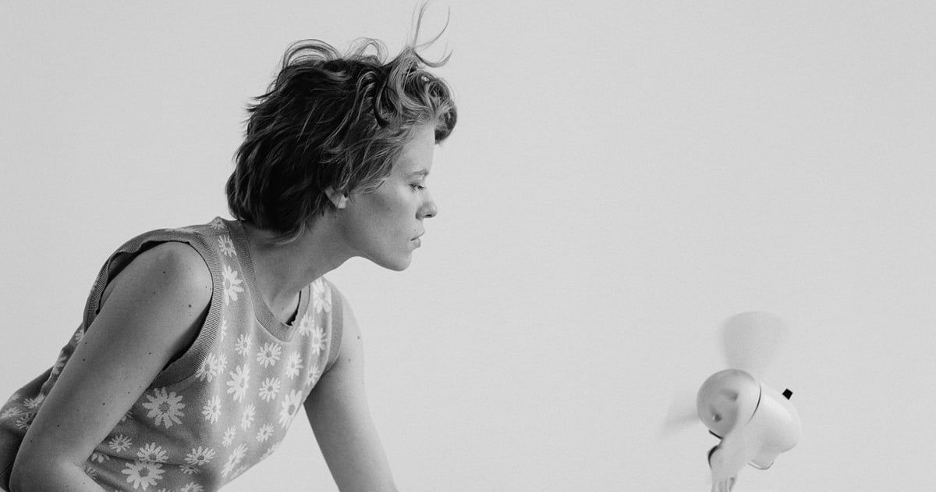
- Improving ventilation and access to fans or cooler spaces.
- Providing easy access to drinking water and restrooms.
- Allowing variations in dress code, for example lighter layers and breathable fabrics.
- Ensuring private spaces where employees can briefly cool down, rest, or change clothes.
When integrated into broader workplace design, these adjustments send a signal that the organization takes midlife health seriously.
Community – reduce isolation and normalize the conversation
Many women report feeling isolated or worrying that raising concerns about menopause at work will be seen as unprofessional. Global survey data from Catalyst suggest that employees are more likely to stay and perform well when they feel understood and not alone. Employers can help by:
- Creating voluntary employee resource groups or peer networks focused on midlife health.
- Hosting internal webinars or panels featuring medical experts and employees who choose to share their experiences.
- Posting signage about high-quality, evidence-based resources rather than commercial products.
- Involving allies of all genders and ages to avoid framing menopause as a “women-only problem.”
Conclusion
Organizations that address menopause thoughtfully will do more than expand their benefits offering. They will protect institutional knowledge, strengthen leadership continuity, and build workplaces that support employees across the full arc of their careers. Addressing menopause at work contributes directly to closing the broader women’s health gap. Menopause doesn’t have to remain the missing chapter of working life. Not if we choose to write it.
Supporting References
Delanerolle G, et al. Menopause: A Global Health and Wellbeing Issue That Needs Urgent Attention. The Lancet. 2025; 13(2): E196-E198.
D’Angelo S, et al. Impact of Menopausal Symptoms on Work. International Journal of Environmental Research and Public Health. 2022; 20(1):295.
McKinsey Health Institute. Closing the Women’s Health Gap: A $1 Trillion Opportunity to Improve Lives and Economies. January 17, 2024.
Pritchard J. 5 Ways Employers Can Get Ahead with Menopause Action Plans. Reward & Employee Benefits Association. January 13, 2026.
The Menopause Society. Menopause and the Workplace: Consensus Recommendations from The Menopause Society. The Journal of The Menopause Society. 2024; 31(9): 741-749.
UK Equality and Human Rights Commission. Menopause in the Workplace: Guidance for Employers. February 2024, Updated August 2025.
About the Author
Talya Landau is a Workplace Wellbeing Strategist and Keynote Speaker, and the founder of Shmone — a wellbeing company specializing in Strategic Wellbeing Programs, energy renewal, and burnout prevention. Drawing from her experience as Global Wellbeing Manager at Wix.com and Director of Innovation at Amdocs, she helps companies worldwide drive real change in the future of work. Talya is passionate about making a difference through proactive health and wellbeing initiatives. She is an active member of the Global Wellness Institute’s Workplace Wellbeing Initiative.
**Disclaimer**
The blog submissions featured on this site represent the research and opinions of the individual authors. The Global Wellness Institute and the Workplace Wellbeing Initiative are not responsible for the content provided. The views expressed are solely those of the authors and do not necessarily reflect the official policy or position of the Global Wellness Institute or the Workplace Wellbeing Initiative. Readers are encouraged to consult with a qualified healthcare professional for specific health concerns.
The post The Missing Chapter at Work: Closing the Menopause Talent Gap appeared first on Global Wellness Institute.
]]>The post Why Thermal Recovery Is Emerging as a Cornerstone of Modern Athletic Performance appeared first on Global Wellness Institute.
]]>
Why Thermal Recovery Is Emerging as a Cornerstone of Modern Athletic Performance
Around the world, elite sports organizations are rethinking the role of recovery—and embracing thermal environments as essential infrastructure within performance ecosystems. While saunas, steam rooms, and cold environments have long been central to global wellness cultures, their integration into high-performance athletics is accelerating rapidly.
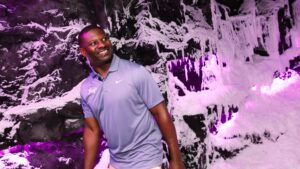
TCU in the United States offers a compelling case study. , the university introduced a large-scale thermal recovery suite that includes a sauna and SnowRoom purpose-built to support contrast therapy and high-frequency usage across multiple sports.
According to Deputy Athletics Director Gretchen Bouton, the design was intentional:
“These spaces provide the contrast therapy solutions our performance and medical teams were seeking—but at a significantly larger scale than anything we had previously.”
The result has been improved accessibility, greater self-directed recovery, and notably faster recovery times for soft-tissue injuries. The air-based cold environment, in particular, has increased adoption by eliminating the logistical barriers associated with traditional ice baths.
Perhaps most interesting from a behavioral standpoint is the cultural impact. Bouton notes that the thermal spaces have become a central gathering point where athletes from different teams overlap—an effect well documented in global communal bathing cultures.
TCU’s experience reflects a broader movement: as the science of heat and cold therapy continues to advance, collegiate and professional programs alike are investing in purpose-built thermal environments to enhance resilience, accelerate recovery, and support athlete wellbeing. The integration of these modalities marks an important convergence of high-performance sport and the world’s longstanding hydrothermal traditions—a convergence the GWI Hydrothermal Initiative will continue to explore and champion.
The post Why Thermal Recovery Is Emerging as a Cornerstone of Modern Athletic Performance appeared first on Global Wellness Institute.
]]>The post Breathwork Offers a Universally Accessible Tool for Transformation: Guy W Fincham, Founder of Brighton & Sussex Breathwork Lab appeared first on Global Wellness Institute.
]]> | @psyche.the.magazine Guy W. Fincham, PhD
“Each breathwork technique serves different purposes, from relaxation and balance, to energisation, or moving between the states. As a participant in workshops and conferences, I’ve witnessed its transformative power firsthand. Participants often describe experiences of clarity, emotional release and deep connection – experiences starting to be backed by emerging data.
Breathwork’s mechanisms are rooted in its ability to influence the autonomic nervous system. For example, by modulating the vagus nerve, slow breathwork activates the parasympathetic branch of the autonomic nervous system (responsible for ‘rest and digest’ functions), reducing heart rate and promoting relaxation. Coherent breathing optimises heart rate variability, a key marker of stress resilience.
In contrast, fast breathwork methods trigger transient hypoxia and a release of adrenaline, effectively inducing an acute stress response – a hormetic effect – where short-term activation of the sympathetic nervous system (the one that triggers the ‘fight or flight’ response) may build long-term stress tolerance. Techniques such as high-ventilation breathwork may even produce altered states of consciousness akin to those invoked by psychedelics like psilocybin, potentially unlocking psychological insights or emotional release.”
Link to the article: https://psyche.co/ideas/i-was-sceptical-about-breathwork-so-i-did-my-own-research
The post Breathwork Offers a Universally Accessible Tool for Transformation: Guy W Fincham, Founder of Brighton & Sussex Breathwork Lab appeared first on Global Wellness Institute.
]]>