The post Wellness Tourism Initiative Trends for 2026 appeared first on Global Wellness Institute.
]]>2026 Trends

Initiative Chair: Katherine Droga, Founder, Well Traveller + Well Traveller TV, Wellness Tourism Summit, Droga & co., Australia
Initiative Vice-Chair: Lindsay Madden-Nadeau, Senior Director Wellness Strategy – Development, Meraki Bespoke Wellness Strategies, Global Head of Wellbeing – Accor Luxury Brands, France
TREND 1: Cocooning Wellness
As global uncertainty continues to shape how we travel, many wellness seekers are turning inward, choosing restorative escapes closer to home for much needed nervous system resets.
Short flights, easy-drive journeys and regional retreats are replacing long-haul trips, offering reassurance and simplicity, while still delivering meaningful and much needed wellbeing.
These “cocooning” wellness trips allow travellers to step away from daily pressures and reconnect with nature without the complexity of global travel. From countryside retreats to coastal sanctuaries and nearby nature escapes, travellers are prioritizing simplicity, safety and emotional restoration.
The result is a form of travel that feels protective and nurturing—wellness journeys that wrap around us like a cocoon when the world feels uncertain.
Example:
- NSW South Coast Wellness Experiences https://www.welltraveller.com.au/destinations/new-south-wales/south-coast
TREND 2: Urban Recovery Travel
City-based travellers want short, clinical-grade recovery without a long journey—less about “detox” claims and more about reducing load: sleep debt, inflammation, stress, pollution exposure and tight bodies.
The scalable format is 48–72-hour urban micro breaks combining recovery technology, movement, nutrition and calm. Biohacking has moved from niche to mainstream motivation, with travellers choosing destinations for diagnostics, recovery technologies and longevity protocols packaged with hospitality-level comfort and design. Some examples include performance-led recovery menus at city wellness clubs/hotels and short “urban renewal” retreat models in Bangkok, New York City and London.
This evolution is transforming cities into accessible wellness hubs where travellers can experience meaningful recovery with easy access to all they need.
Example:
- RAKxa Integrative Wellness Bangkok https://rakxawellness.com/programme/
TREND 3: Destination-Scale Wellness
Wellness tourism is increasingly being enabled by policy and planned at destination scale. Governments, tourism boards and investors are recognizing the economic and social value of wellness tourism and are developing infrastructure that supports wellbeing at a regional level.
Walkable environments, nature protection, thermal bathing traditions, outdoor recreation and year-round wellbeing programming are becoming part of destination strategy rather than simply hotel amenities.
This approach reflects a growing understanding that wellness tourism can enhance both visitor experiences and community wellbeing.
Example:
- AMAALA Wellness Destination Development https://www.redseaglobal.com/en/our-destinations/amaala/
TREND 4: The Rise of Heat Rituals
Traditional bathing cultures are experiencing a renaissance. Sauna is becoming an event featuring guided ceremonies, music, scent, craft and shared etiquette, turning heat bathing into a social ritual with real emotional payoff. The destination opportunity is public-facing thermal culture that’s inclusive, repeatable and programmatic, designed as an accessible “third space,” not a niche luxury add-on. This can scale through scheduled rounds, rotating hosts/ritual leaders, and culturally rooted storytelling that makes the ritual feel meaningful rather than performative.
Example:
- Finnish Sauna Culture (UNESCO cultural heritage) https://ich.unesco.org/en/RL/sauna-culture-in-finland-01596
TREND 5: The Demand for Cool Climate Travel
As global temperatures rise and peak seasons feel draining, travellers are shifting towards cooler travel times and destinations where the environment supports vitality.
It is about climate, crowding and comfort considerations—fresh air quality, sunlight and opportunities for outdoor movement without exhaustion.
The demand is also creating new “wellness windows” across the year, where destinations are embracing off-peak months as the optimal time to visit for wellbeing.
Example:
- Swiss Alpine Wellness Destinations https://www.myswitzerland.com/en-au/planning/about-switzerland/sustainability/sustainable-activities/sustainable-winter-activities/wellness-with-a-clear-conscience/
TREND 6: The Nervous System Reset
Wellness travel is increasingly shifting from performance-driven wellness toward nervous system regulation. After years of overstimulation, stress and digital overload, travellers are seeking experiences that help the body slow down and recover rather than push harder.
Retreats and destinations are responding with programs built around breathwork, slow movement, mindfulness, sound therapy and nature immersion—practices designed to move the body out of a constant “fight or flight” state. Quiet environments, gentle daily rhythms and digital disconnection.
As travellers seek ways to recover from modern lifestyles, wellness journeys that support nervous system balance are becoming essential tools of travel.
Example:
TREND 7: The Luxury of Privacy
Privacy is becoming the new status signal. It is less about public “wellness theatre” and more about space, quiet and discretion as travellers experience social media fatigue and a desire to disconnect.
Consumers are prioritizing low-density environments, limited-access settings and experiences that don’t feel crowded or overexposed. This is encouraging destinations and operators to design retreats where space, calm and thoughtful service are central to the guest experience.
The result is a new form of luxury defined not by opulence but by quiet, space and the ability to disconnect.
Example:
- Amangiri Desert Retreat Experience https://www.aman.com/resorts/amangiri/experience
TREND 8: The Rise of AI-Designed Wellness Travel
Travellers are moving away from one-size wellness and toward journeys that feel made for them, where pacing, treatments, activities and cultural moments match their goals, interests and energy levels.
AI-enabled itinerary design and guest profiling are allowing destinations and wellness providers to create highly personalized travel experiences that evolve throughout a stay. For travellers, this reduces decision fatigue while improving the flow and relevance of their wellness journey.
This shift signals the beginning of a new era where technology helps create wellness experiences that feel deeply personal.
Example:
- Mindtrip AI Itinerary Planning Platform https://www.mindtrip.ai/product
TREND 9: In Search of Deep Rest
Travellers are increasingly in search of sleep, and wellness travel is responding with sleep- and rhythm-led restoration where the destination itself becomes the intervention.
Dark skies, low noise, dawn/dusk programming and low-stimulus design are engineered to reset circadian timing and deliver measurable recovery. Think lighting, temperature, sound frequency and more.
Proof points include sleep-focused programming which has been trending for a long time with the addition of nature-integrated sleep environments, plus water/mineral bathing circuits that turn protected natural assets into signature wellbeing circuits. Incorporated into this travel trend are Blue Zone travel programs: travellers are choosing locations that embody Blue Zone rituals of life.
Examples:
- Kamalaya Wellness Sanctuary https://kamalaya.com/sleep-enhancement-wellness-program/
- Blue Zone Travel https://www.bluezones.com/exploration/
TREND 10: Longevity Travel – Credibility Matters
Today’s guests are highly informed, wellness claims are easy to research and hype is easy to spot. As a result, travellers are gravitating toward trusted, science-backed programs where they can immerse themselves for wellness stays, build habits that fit their biology and return home with a clear plan to continue. The market may be chasing “longevity,” but the real demand signal is credibility and capability in one place: evidence-led protocols, the right clinical and recovery infrastructure, and an ongoing link to care beyond the stay through follow-ups, coaching and simple take home plans. The demand is less “anti-aging” and more health span: feeling stronger for longer.
Example:
- SHA Wellness Clinic Medical Programs https://shawellness.com/en/
The post Wellness Tourism Initiative Trends for 2026 appeared first on Global Wellness Institute.
]]>The post Aesthetic Health Initiative Trends for 2026 appeared first on Global Wellness Institute.
]]>2026 Trends
Aesthetic health continues to evolve as a key pillar of modern wellbeing. Simply stated, it is the art and science of understanding how the signs and symptoms of beauty impact our lives. The term “aesthetic” is defined as the philosophy of beauty, and so it makes sense that today’s definition is more of an umbrella term and continues to expand. As we review the trends in beauty and health, the focus ties in with the general population’s goals to live healthier overall, be attractive (as one may define it) and live a long life. Evidence continues to mount proving that there is no separation between health and appearance. Aesthetic health has been tied to humans since primitive times. Better teeth, clear skin, beautiful hair and a healthy body have always represented one’s ability to continue strong family lines, and to ensure longevity, which has been a constant quest of mankind. Embracing the influence of beauty on our brains and how that ties into our overall health will take us to new heights in understanding aesthetic health.
Driven by advances in science, technology and education, the leading aesthetic health trends for 2026 highlight a future shaped by innovation, evidence-based practice and increasing accessibility, as patients seek personalized solutions that deliver natural, lasting results to support long term health and preventative care.
TREND 1: The Basic Science of Neuroaesthetics Is Evolving to Ask Questions Beyond Beauty
The reward system is deeply involved in aesthetic appreciation. The ventral striatum, including the nucleus accumbens, shows increased activity for pleasing and preferred objects. This reward circuitry, which normally releases dopamine and endogenous cannabinoids and opioids for biologically significant pleasures, is activated by beautiful faces, artwork, music and even pleasing architectural spaces. However, aesthetics often goes beyond pleasure and liking, and incorporates nuanced emotions. In some instances, negative emotions can contribute to powerful aesthetic experiences, like a sense of anxiety embedded in the experience of awe. Researchers in the US and Europe are uncovering a more complex cocktail of emotions experienced in aesthetic encounters.
The rise in neurocosmetics and the mind-skin connection will bring forward compounds that interact with the skin’s receptors to positively affect emotional states and link psychological health and skincare. This will support the expanding wellness industry by furthering emotional wellbeing and stress reduction, encouraging more businesses to draw on all five senses and produce services and products that customers look forward to buy and consume.
Resources:
- Menninghaus, W., Wagner, V., Wassiliwizky, E., Schindler, I., Hanich, J., Jacobsen, T., & Koelsch, S. (2019). What are aesthetic emotions?. Psychological review, 126(2), 171.
- Fingerhut, J., & Prinz, J. J. (2020). Aesthetic emotions reconsidered. The Monist, 103(2), 223-239.
- Christensen, A. P., Cardillo, E. R., & Chatterjee, A. (2023). What kind of impacts can artwork have on viewers? Establishing a taxonomy for aesthetic impacts. British journal of psychology, 114(2), 335-351.
- Stamkou, E., Keltner, D., Corona, R., Aksoy, E., & Cowen, A. S. (2024). Emotional palette: a computational mapping of aesthetic experiences evoked by visual art. Scientific Reports, 14(1), 19932.
TREND 2: Longevity Aesthetics
Longevity aesthetics is one of the biggest shifts we will see advancing in beauty and health. Instead of trying to “reverse ageing” the focus is shifting towards optimizing biological age and long term health. More brands will begin to offer treatments that improve sleep, recovery, stress resilience and cellular repair, like NAD+ therapy and cellular repair treatments.
Traditional beauty and aesthetics treated wrinkles or sagging skin as cosmetic problems. Longevity aesthetics asks a different question: How old are your cells biologically?
Skin is increasingly viewed as a window into internal health. As a result, services in this area will combine dermatology, nutrition, hormone optimization and metabolic testing.
Future longevity aesthetics will use biological data to guide treatments. Epigenetic age testing, microbiome analysis and wearable health monitors will all be used to treat collagen breakdown, inflammation markers, oxidative stress and hydration levels. The future will be more about looking young through improved health than relying on procedures to hide ageing.
Resource:
- Longevity cosmeceuticals as the next frontier in cosmetic innovation //pmc.ncbi.nlm.nih.gov/articles/PMC12137348/
TREND 3: Psycho-Dermatology – Exploring the Brain/Body Connection and Its Effect on Our Health and Appearance
The link between our mental and physical states and their impact on our skin’s condition and our general health and wellbeing continues to gain momentum. The next chapter of wellness for aesthetic health will be the mind-body beauty connection where mental wellbeing and physical health are more intertwined. The acceleration of the mind/body connection will encourage more brands, spa operators and wellness professionals to enhance the wellness journey with neuro cosmetics, incorporating stress relieving techniques, healing practices and revised routines to accelerate this understanding. People will be willing to pay more for products with mood boosting qualities. Looking good makes people feel more confident and maintaining good mental wellbeing is key to overall wellbeing.
Our current circumstances continue to bring these ideas to light, and beauty presents an opportunity to improve and target this space with new innovations like edible and drinkable products, biometric screening in spa and wellness settings, skin immunity and wider emphasis on integrative wellbeing. Integrative medicine practitioners will be aware of the role that stress plays in disease, and we will continue to see medical and wellness approaches come together to manage stress and prevent skin conditions like acne, rosacea and premature aging.
*Did you know that the brain and skin have the same embryonic origin? Skin and brain form at the same time on day 21 of the embryo, with the outermost part of the embryo – the ectoblast – giving rise to the nervous system and the epidermis. Your skin is therefore a sort of extension of the brain. Its nerve architecture is extremely complex, with no less than 800,000 neurons, 11 meters of nerves and around 200 sensory receptors per cm3. This connection makes it impossible to dissociate the psychic realities that each of us undergoes on a daily basis from the physical ones concerning our skin.
Resource:
- *Prof. Laurent Misery, Head of the Department of Dermatology at the University Hospital of Brest, France
TREND 4: Regenerative Aesthetic Medicine
Sound science and data-backed products and services are not just hoped for by consumers, they are expected. A huge trend is regenerative treatments that repair tissues instead of temporarily filling or freezing them.
The microbiome remains an important focus, and soon we will see a new generation of regenerative biotherapeutics featuring bioactive proteins, growth factors and nucleic acids taking center stage for skin and hair rejuvenation. Exosomes can provide similar benefits to stem cell therapy without many of the unwanted side effects and polynucleotides help improve the skin tissues on a cellular level. Rather than introducing new ingredients, hi-tech performing cosmetic brands will focus on advanced delivery systems for optimum efficacy and outcomes, bringing forth new ways to innovate legacy ingredients and equipment. We will also see tissue regeneration instead of botox style correction, with an emphasis on long term structural improvements
*The field of aesthetic health, particularly in medical aesthetics, has been experiencing significant trends and advancements. There’s a growing preference for less invasive treatments that offer minimal discomfort and require little to no downtime. This trend reflects a shift towards procedures that can be done quickly, often in an outpatient setting, with rapid recovery times. This is driven by factors such as advancements in technology, growing awareness about aesthetic treatments, and an ageing population seeking anti-aging solutions.
Resource:
- *Prof Patrick Treacy Medical Director Ailesbury Clinics MICGP, MBCAM, H. Dip Dermatology, DRCOG, DCH, LRCSI, DTM MB BCh
TREND 5: Hyper-Personalized Aesthetics Using AI and Biomarkers with an integrative approach to singular issues
Technology will allow personalized treatments tailored to an individual’s biology, genetics and lifestyle using AI skin diagnosis, DNA-based skincare, predictive ageing models and real time. Skin and hair will become biomarkers of overall health, linking beauty directly to medical diagnostics.
As the concept of wellness evolves into a whole-person approach to health, 2026 will continue to see an increasing trend where specific issues are addressed through multiple modalities. Take skin health, for example. Instead of solely relying on specific skincare treatments for physical concerns, holistic approaches that incorporate aspects like diet, sleep and mental health will become a standard part of the wellness examination. Addressing aesthetics will involve an approach that encompasses the mind, body and spirit, linking the concept of improving appearance to enhancing overall wellbeing. Similarly, physical products that extend benefits to mental states will gain heightened attention. For instance, food and beverages with ingredients beneficial for digestion that also enhance mood, and cosmetics that not only improve physical appearance but also aim to boost self-confidence and nurture self-care will continue to spotlight the expansion from traditional aesthetics to encompass elevated mental states.
TREND 6: Traditional Ingredients Paired with Innovation
Consumers want innovations, but they also increasingly want the familiar effectiveness of the ingredients and practices they have come to trust over time. In 2026, we will continue to see more products and lifestyle management approaches inspired by traditional practices like Ayurveda, homeopathy, traditional Chinese medicine and Amazonian customs.
Products will blend herbal and plant medicine with modern science, offering solutions that address physical, mental and spiritual wellbeing. By blending time-honored knowledge with contemporary research and technology, brands will be able to deliver more holistic and trusted results. This trend represents the fusion of ancient wisdom and modern science, offering consumers a balanced approach to beauty, health and wellness that feels both innovative and reassuringly familiar.
Resources:
- Eating for Wellness Will Be a Lot Simpler—And More Celebratory—In 2024: https://www.wellandgood.com/wellness-minded-food-brands/
- Beauty + Wellness Category Expands Market by 45% Determines NIQ Report, Dec. 13, 2023: https://www.cosmeticsdesign.com/Article/2023/12/13/Beauty-Wellness-category-expands-market-by-45-determines-NIQ-report
- Formulation Trends Driving Feel-Good Products in Self-Care Rituals: https://beautymatter.com/articles/formulation-trends-driving-feel-good-products-in-self-care-rituals
- Cosmetics Business reveals the top 5 ‘Ancient Beauty’ trends of 2024 in new report: https://cosmeticsbusiness.com/cosmetics-business-reveals-the-top-5-ancient-beauty
- Integrative approach to lifestyle management: Implications for public health research & practice in the context of SDG-3: https://www.ncbi.nlm.nih.gov/pmc/articles/PMC10692374/
The post Aesthetic Health Initiative Trends for 2026 appeared first on Global Wellness Institute.
]]>The post Can Exercise Change the Odds for Cancer? appeared first on Global Wellness Institute.
]]>
October 8, 2025
The post Can Exercise Change the Odds for Cancer? appeared first on Global Wellness Institute.
]]>The post NeuroWellness: Connecting Breathing with Brain & Behavior appeared first on Global Wellness Institute.
]]>NeuroWellness: Connecting Breathing with Brain & Behavior
On March 4 (10–11am ET), the GWI Breathe Initiative presents a special webinar exploring the powerful connection between breathing, brain function, and behavior.
Leading the discussion are Mohammad Nami, MD, PhD, Director of the Brain, Cognition, and Behavior Unit at BrainHub Polyclinic and Academy UAE and Assistant Professor of Neuroscience at Canadian University Dubai, and Peter M. Litchfield, PhD, GWI Breathe Initiative Vice Chair and President of the Professional School of Behavioral Health Sciences. Together, they will examine the science behind how breathing patterns influence cognitive performance, sleep quality, emotional regulation, and overall neuro-cognitive fitness.
The session will be moderated by Sandy Abrams, Initiative Chair and Founder of TheCEOm.com, an entrepreneur and author who teaches “breath as meditation at the speed of life” and has led BREATHE experiences for organizations including Google, Facebook, McKinsey & Co., and Canyon Ranch.
This conversation bridges neuroscience and practical application, offering evidence-based insight into how optimizing breath can support mental resilience, brain health, and well-being. Join us for this timely exploration at the intersection of breathing science and Neurowellness.
The post NeuroWellness: Connecting Breathing with Brain & Behavior appeared first on Global Wellness Institute.
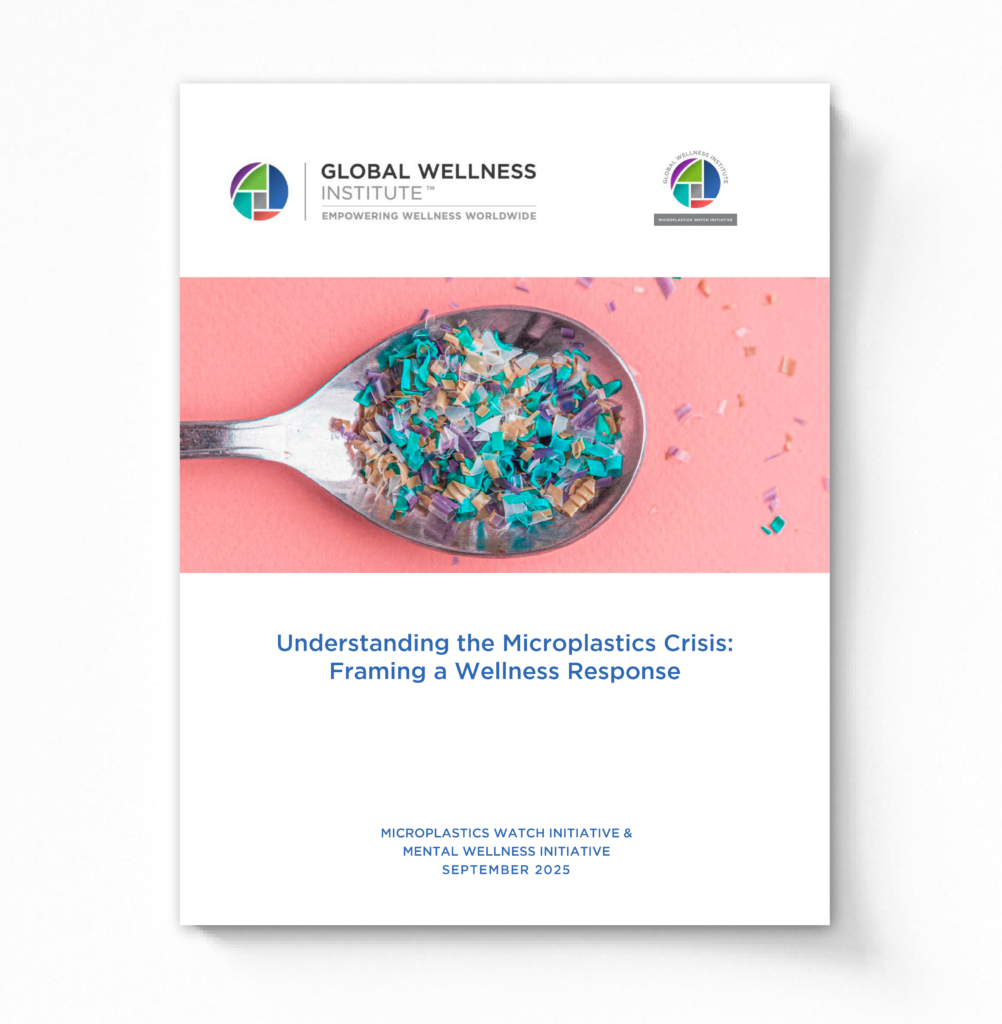
]]>The post Understanding the Microplastics Crisis Framing a Wellness Response appeared first on Global Wellness Institute.
]]>
The post Understanding the Microplastics Crisis Framing a Wellness Response appeared first on Global Wellness Institute.
]]>The post The Healing Power of Touch: Why Older Adults Need Massage More Than Ever appeared first on Global Wellness Institute.
]]>By: Nancy Griffin
Despite decades of research demonstrating the profound effects of touch on human health, older Americans remain one of the most touch-deprived populations. According to the American Massage Therapy Association’s 2024 research report, only one in ten adults over 65 received a massage in 2023—compared to more than twice that rate among younger adults. While the baby boomer generation (now ages 55–64) is more receptive to wellness experiences, the 65-plus group has shown almost no increase in massage uptake over the years.
The Science Behind Touch
For more than thirty years, Dr. Tiffany Field and her team at the University of Miami’s Touch Research Institute have published over 350 peer-reviewed articles on the science of touch. Their findings indicate that moving the skin activates pressure receptors that send calming signals to the brain, slowing the nervous system, decreasing cortisol, and elevating dopamine and serotonin. These changes cascade through the entire body—lowering heart rate, reducing stress hormones, and improving immune and cardiovascular function.
Massage, therefore, is scientifically proven to positively alter physiology. Dr. Field emphasizes that “every condition we’ve studied—from pain and psychiatric disorders to autoimmune disease and even cancer—responds positively to massage.”
Mental and Emotional Benefits
Touch therapies deliver powerful mental health outcomes. They lower cortisol, raise oxytocin (the “love hormone”), and ease symptoms of anxiety and depression. As Wendy Bosalavage of Being Well Collective notes, “massage is not only therapeutic—it’s also a mindfulness practice. It grounds clients in the present moment, releasing tension in both body and mind.”
For older adults, this can be transformative. Depression and anxiety are pervasive in later life, exacerbated by isolation and loss. Massage offers safe, compassionate touch that can help restore emotional equilibrium and enhance sleep quality and resilience.
Filling the Social Void
Intentional, caring touch bridges one of the greatest gaps in modern aging: social disconnection. Dr. Field has described the phenomenon of “skin hunger” or touch starvation—a real physiological and emotional condition worsened during the pandemic. Science continues to affirm that human connection—especially physical touch—is not a luxury; it is a biological necessity. Research in Kelsey Killiam’s book on social health, The Art and Science of Connection, underscores that social connection is linked to lower risks of heart disease, stronger immune response, improved cognition, reduced depression, and even longer lifespan.
A Call to Wellness Leaders
Wellness and aging services professionals have an opportunity—and a responsibility—to reimagine touch for this generation. Mather, a non-profit organization dedicated to improving the lives of older adults, prioritizes massage and bodywork in their senior living residences, according to William Wesley Myers, Chair of the Aging Well Initiative and Mather’s Assistant Vice President of Wellness Strategy. “There is huge demand for all our spa services,” according to Myers.”
Whether in senior living communities, medical spas, or integrative wellness centers, expanding access to massage for older adults means delivering more than comfort; it means delivering health.
The post The Healing Power of Touch: Why Older Adults Need Massage More Than Ever appeared first on Global Wellness Institute.
]]>