The post Aesthetic Health Initiative Trends for 2026 appeared first on Global Wellness Institute.
]]>2026 Trends

Aesthetic health continues to evolve as a key pillar of modern wellbeing. Simply stated, it is the art and science of understanding how the signs and symptoms of beauty impact our lives. The term “aesthetic” is defined as the philosophy of beauty, and so it makes sense that today’s definition is more of an umbrella term and continues to expand. As we review the trends in beauty and health, the focus ties in with the general population’s goals to live healthier overall, be attractive (as one may define it) and live a long life. Evidence continues to mount proving that there is no separation between health and appearance. Aesthetic health has been tied to humans since primitive times. Better teeth, clear skin, beautiful hair and a healthy body have always represented one’s ability to continue strong family lines, and to ensure longevity, which has been a constant quest of mankind. Embracing the influence of beauty on our brains and how that ties into our overall health will take us to new heights in understanding aesthetic health.
Driven by advances in science, technology and education, the leading aesthetic health trends for 2026 highlight a future shaped by innovation, evidence-based practice and increasing accessibility, as patients seek personalized solutions that deliver natural, lasting results to support long term health and preventative care.
TREND 1: The Basic Science of Neuroaesthetics Is Evolving to Ask Questions Beyond Beauty
The reward system is deeply involved in aesthetic appreciation. The ventral striatum, including the nucleus accumbens, shows increased activity for pleasing and preferred objects. This reward circuitry, which normally releases dopamine and endogenous cannabinoids and opioids for biologically significant pleasures, is activated by beautiful faces, artwork, music and even pleasing architectural spaces. However, aesthetics often goes beyond pleasure and liking, and incorporates nuanced emotions. In some instances, negative emotions can contribute to powerful aesthetic experiences, like a sense of anxiety embedded in the experience of awe. Researchers in the US and Europe are uncovering a more complex cocktail of emotions experienced in aesthetic encounters.
The rise in neurocosmetics and the mind-skin connection will bring forward compounds that interact with the skin’s receptors to positively affect emotional states and link psychological health and skincare. This will support the expanding wellness industry by furthering emotional wellbeing and stress reduction, encouraging more businesses to draw on all five senses and produce services and products that customers look forward to buy and consume.
Resources:
- Menninghaus, W., Wagner, V., Wassiliwizky, E., Schindler, I., Hanich, J., Jacobsen, T., & Koelsch, S. (2019). What are aesthetic emotions?. Psychological review, 126(2), 171.
- Fingerhut, J., & Prinz, J. J. (2020). Aesthetic emotions reconsidered. The Monist, 103(2), 223-239.
- Christensen, A. P., Cardillo, E. R., & Chatterjee, A. (2023). What kind of impacts can artwork have on viewers? Establishing a taxonomy for aesthetic impacts. British journal of psychology, 114(2), 335-351.
- Stamkou, E., Keltner, D., Corona, R., Aksoy, E., & Cowen, A. S. (2024). Emotional palette: a computational mapping of aesthetic experiences evoked by visual art. Scientific Reports, 14(1), 19932.
TREND 2: Longevity Aesthetics
Longevity aesthetics is one of the biggest shifts we will see advancing in beauty and health. Instead of trying to “reverse ageing” the focus is shifting towards optimizing biological age and long term health. More brands will begin to offer treatments that improve sleep, recovery, stress resilience and cellular repair, like NAD+ therapy and cellular repair treatments.
Traditional beauty and aesthetics treated wrinkles or sagging skin as cosmetic problems. Longevity aesthetics asks a different question: How old are your cells biologically?
Skin is increasingly viewed as a window into internal health. As a result, services in this area will combine dermatology, nutrition, hormone optimization and metabolic testing.
Future longevity aesthetics will use biological data to guide treatments. Epigenetic age testing, microbiome analysis and wearable health monitors will all be used to treat collagen breakdown, inflammation markers, oxidative stress and hydration levels. The future will be more about looking young through improved health than relying on procedures to hide ageing.
Resource:
- Longevity cosmeceuticals as the next frontier in cosmetic innovation //pmc.ncbi.nlm.nih.gov/articles/PMC12137348/
TREND 3: Psycho-Dermatology – Exploring the Brain/Body Connection and Its Effect on Our Health and Appearance
The link between our mental and physical states and their impact on our skin’s condition and our general health and wellbeing continues to gain momentum. The next chapter of wellness for aesthetic health will be the mind-body beauty connection where mental wellbeing and physical health are more intertwined. The acceleration of the mind/body connection will encourage more brands, spa operators and wellness professionals to enhance the wellness journey with neuro cosmetics, incorporating stress relieving techniques, healing practices and revised routines to accelerate this understanding. People will be willing to pay more for products with mood boosting qualities. Looking good makes people feel more confident and maintaining good mental wellbeing is key to overall wellbeing.
Our current circumstances continue to bring these ideas to light, and beauty presents an opportunity to improve and target this space with new innovations like edible and drinkable products, biometric screening in spa and wellness settings, skin immunity and wider emphasis on integrative wellbeing. Integrative medicine practitioners will be aware of the role that stress plays in disease, and we will continue to see medical and wellness approaches come together to manage stress and prevent skin conditions like acne, rosacea and premature aging.
*Did you know that the brain and skin have the same embryonic origin? Skin and brain form at the same time on day 21 of the embryo, with the outermost part of the embryo – the ectoblast – giving rise to the nervous system and the epidermis. Your skin is therefore a sort of extension of the brain. Its nerve architecture is extremely complex, with no less than 800,000 neurons, 11 meters of nerves and around 200 sensory receptors per cm3. This connection makes it impossible to dissociate the psychic realities that each of us undergoes on a daily basis from the physical ones concerning our skin.
Resource:
- *Prof. Laurent Misery, Head of the Department of Dermatology at the University Hospital of Brest, France
TREND 4: Regenerative Aesthetic Medicine
Sound science and data-backed products and services are not just hoped for by consumers, they are expected. A huge trend is regenerative treatments that repair tissues instead of temporarily filling or freezing them.
The microbiome remains an important focus, and soon we will see a new generation of regenerative biotherapeutics featuring bioactive proteins, growth factors and nucleic acids taking center stage for skin and hair rejuvenation. Exosomes can provide similar benefits to stem cell therapy without many of the unwanted side effects and polynucleotides help improve the skin tissues on a cellular level. Rather than introducing new ingredients, hi-tech performing cosmetic brands will focus on advanced delivery systems for optimum efficacy and outcomes, bringing forth new ways to innovate legacy ingredients and equipment. We will also see tissue regeneration instead of botox style correction, with an emphasis on long term structural improvements
*The field of aesthetic health, particularly in medical aesthetics, has been experiencing significant trends and advancements. There’s a growing preference for less invasive treatments that offer minimal discomfort and require little to no downtime. This trend reflects a shift towards procedures that can be done quickly, often in an outpatient setting, with rapid recovery times. This is driven by factors such as advancements in technology, growing awareness about aesthetic treatments, and an ageing population seeking anti-aging solutions.
Resource:
- *Prof Patrick Treacy Medical Director Ailesbury Clinics MICGP, MBCAM, H. Dip Dermatology, DRCOG, DCH, LRCSI, DTM MB BCh
TREND 5: Hyper-Personalized Aesthetics Using AI and Biomarkers with an integrative approach to singular issues
Technology will allow personalized treatments tailored to an individual’s biology, genetics and lifestyle using AI skin diagnosis, DNA-based skincare, predictive ageing models and real time. Skin and hair will become biomarkers of overall health, linking beauty directly to medical diagnostics.
As the concept of wellness evolves into a whole-person approach to health, 2026 will continue to see an increasing trend where specific issues are addressed through multiple modalities. Take skin health, for example. Instead of solely relying on specific skincare treatments for physical concerns, holistic approaches that incorporate aspects like diet, sleep and mental health will become a standard part of the wellness examination. Addressing aesthetics will involve an approach that encompasses the mind, body and spirit, linking the concept of improving appearance to enhancing overall wellbeing. Similarly, physical products that extend benefits to mental states will gain heightened attention. For instance, food and beverages with ingredients beneficial for digestion that also enhance mood, and cosmetics that not only improve physical appearance but also aim to boost self-confidence and nurture self-care will continue to spotlight the expansion from traditional aesthetics to encompass elevated mental states.
TREND 6: Traditional Ingredients Paired with Innovation
Consumers want innovations, but they also increasingly want the familiar effectiveness of the ingredients and practices they have come to trust over time. In 2026, we will continue to see more products and lifestyle management approaches inspired by traditional practices like Ayurveda, homeopathy, traditional Chinese medicine and Amazonian customs.
Products will blend herbal and plant medicine with modern science, offering solutions that address physical, mental and spiritual wellbeing. By blending time-honored knowledge with contemporary research and technology, brands will be able to deliver more holistic and trusted results. This trend represents the fusion of ancient wisdom and modern science, offering consumers a balanced approach to beauty, health and wellness that feels both innovative and reassuringly familiar.
Resources:
- Eating for Wellness Will Be a Lot Simpler—And More Celebratory—In 2024: https://www.wellandgood.com/wellness-minded-food-brands/
- Beauty + Wellness Category Expands Market by 45% Determines NIQ Report, Dec. 13, 2023: https://www.cosmeticsdesign.com/Article/2023/12/13/Beauty-Wellness-category-expands-market-by-45-determines-NIQ-report
- Formulation Trends Driving Feel-Good Products in Self-Care Rituals: https://beautymatter.com/articles/formulation-trends-driving-feel-good-products-in-self-care-rituals
- Cosmetics Business reveals the top 5 ‘Ancient Beauty’ trends of 2024 in new report: https://cosmeticsbusiness.com/cosmetics-business-reveals-the-top-5-ancient-beauty
- Integrative approach to lifestyle management: Implications for public health research & practice in the context of SDG-3: https://www.ncbi.nlm.nih.gov/pmc/articles/PMC10692374/
The post Aesthetic Health Initiative Trends for 2026 appeared first on Global Wellness Institute.
]]>The post Aesthetic Health for Seniors: Elevating Elder Care Through Touch and Dignity appeared first on Global Wellness Institute.
]]>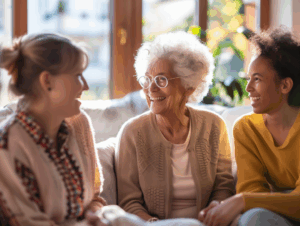 As the global population continues to age, professionals in medicine, beauty, and personal care are being called to reimagine how they serve older adults. With nearly 1 in 6 people projected to be over the age of 60 by 2030, the demand for services that address the whole person — body, mind, and spirit — is rising rapidly.
Among the most promising approaches emerging today is Geriatric Aesthetics, a specialized discipline rooted in the principles of Aesthetic Health: blending professional appearance care with emotional well-being, clinical insight, and compassionate touch. This evolution of service is more than skin-deep — it affirms dignity, boosts self-worth, and enriches daily life for seniors.
The Aging Population: A New Frontier for Care
According to the World Health Organization, the number of people aged 60 and over will double to 2.1 billion by 2050. In the U.S., over 27% of adults over 60 live alone, and more than 1.3 million reside in long-term care facilities. Despite these numbers, the emotional and psychological needs of aging individuals are often overlooked in traditional medical or caregiving settings.
Age-related changes — from mobility limitations to skin fragility, hair loss, or cognitive decline — can deeply affect a person’s self-image. When grooming and personal care are neglected, mental health suffers. Depression, anxiety, and withdrawal are common, especially among seniors in institutional settings.
The Science of Touch and Appearance
Multiple studies have demonstrated that positive appearance changes, including professional grooming, skincare, and therapeutic touch, can significantly enhance self-esteem, alleviate stress, and even mitigate chronic pain. Regular grooming has been linked to improved hygiene, reduced infection risk, and enhanced social engagement.
In particular:
- Massage and scalp stimulation have been shown to lower cortisol levels.
- Facial and hand treatments improve sensory stimulation in dementia patients.
- Nail and skin care help prevent infection and create opportunities for meaningful, affirming touch.
As one nurse put it: *”Touch heals in ways medicine cannot.”
Senior Grooming and Wellness in Practice
In Georgia, several personal care homes implemented routine grooming services as part of elder care. The real-world stories from the field were striking:
“I hadn’t had my hair washed properly in weeks. When Marlene massaged my scalp and brushed it out, I just cried. I looked in the mirror and thought — there I am.”
— Lois, 84, assisted living resident
Another daughter shared:
“Mom has Alzheimer’s and rarely speaks anymore, but after her visit with the esthetician, she kept looking at her hands and smiling. She even said ‘pretty.’ We hadn’t heard that word in months.”
In facilities where grooming was prioritized, residents showed measurable improvements in mood, hygiene, and participation in activities. Families described loved ones as “coming back to life.”
The Role of Beauty and Personal Care Professionals
Beauty professionals drawn to serve seniors often possess unique qualities: empathy, patience, attentiveness, and a strong sense of purpose. Many express that this work is deeply fulfilling:
“I used to think of myself as just a hairdresser. But working in senior homes, I realize I’m restoring dignity. I’m helping them face the mirror and say, ‘I’m still here.’ That’s sacred.”
— Rosa, cosmetologist
Training in Geriatric Aesthetics equips these professionals to work safely with aging skin, understand health conditions, and apply therapeutic techniques tailored to older adults.
Bridging Medical and Beauty Worlds
Professionals in medicine and personal care must collaborate to embed Aesthetic Health into elder care. Geriatric nurses, dermatologists, hospice teams, and long-term care providers can all integrate grooming into care plans:
- Scheduled grooming visits by licensed professionals
- Hand massage and scalp stimulation as part of daily routines
- Sensitive communication and sensory-friendly products for memory care patients
“Our patients in skilled nursing can’t always recall breakfast, but they’ll smile when you brush their hair the way their mother did. That kind of memory lives in the skin.”
— Dr. J. Kim, Geriatric Psychiatrist
A Caregiver’s Toolkit: Everyday Aesthetic Health
For family caregivers, small daily rituals can make a big difference:
- Use favorite scented lotions for hand massage
- Play calming music while brushing hair
- Create “beauty days” with light facials or manicures
- Encourage grooming as a joyful, shared moment
These activities not only maintain hygiene but also foster emotional bonding and connection. They remind loved ones they are cherished.
Aesthetic Health: The Future of Senior Wellness
The concept of Aesthetic Health redefines beauty as an essential element of elder care. When seniors feel seen, valued, and confident, they are more likely to stay socially connected, mentally alert, and physically active.
“It’s not just nails. It’s feeling human again.”
— Helen, 90, memory care patient
The rise of Geriatric Aesthetics represents an exciting new path for professionals who want to blend compassion with expertise. It’s also a powerful reminder: aging beautifully is not a luxury — it’s a right.
Alison O’Neil is a long time leader in the practice of Aesthetic Health, developed the first dermatologic rehabilitation clinic in the country in her early 20’s and has served countless patients. She is the esteemed author of multiple professional articles regarding appearance, clinical esthetics, skin health treatments and it’s impact on mental health, She is the founder of the Beauty Becomes You, 501(c)(3) charitable Foundation, and a L’Oreal Paris Woman of Worth honoree. Alison is Chair of the Global Wellness Institute Aesthetic Health Initiative, and a global speaker on the impact of beauty on wellness.
The post Aesthetic Health for Seniors: Elevating Elder Care Through Touch and Dignity appeared first on Global Wellness Institute.
]]>The post The Beauty-Gut Connection: How Digestive Health Affects Skin Appearance appeared first on Global Wellness Institute.
]]>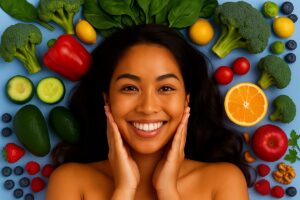 Clear, radiant skin is often thought of as the result of surface-level care—cleansers, serums, and moisturizers. But increasingly, science is pointing to a deeper influence: the digestive system. A growing body of research highlights the profound relationship between gut health and skin appearance, often called the gut-skin axis.
This connection is not merely theoretical. From inflammatory skin conditions to premature aging, the internal state of the gastrointestinal system can influence what appears externally. Understanding this link offers a new lens to approach skin health—one that extends far beyond the bathroom cabinet.
The Gut-Skin Axis Explained
The gut microbiome refers to the trillions of bacteria, fungi, and microorganisms that live in the digestive tract. These microbes perform a range of essential functions: breaking down food, synthesizing nutrients, modulating the immune system, and producing signaling molecules that travel throughout the body—including to the skin.
The gut-skin axis describes the bidirectional communication between the digestive and integumentary systems. It’s mediated through several overlapping pathways:
Immune signaling: The gut plays host to around 70% of the immune system. When microbial imbalances (dysbiosis) occur, they can trigger immune responses that affect the skin.
Metabolic byproducts: Short-chain fatty acids (SCFAs), produced by bacteria when they ferment dietary fiber, reduce inflammation and strengthen both gut and skin barriers.
Hormones and neurotransmitters: Gut microbes influence levels of cortisol, insulin, estrogen, and serotonin—all of which play roles in inflammation, sebum production, and skin cell turnover.
Particular gut conditions have also been correlated with specific dermatological issues. For example, small intestinal bacterial overgrowth (SIBO) has been found to be significantly more common in individuals with rosacea. In some clinical studies, addressing SIBO through antimicrobial treatment resulted in a notable improvement in rosacea symptoms. Likewise, inflammatory bowel disease (IBD) has been associated with increased rates of psoriasis, and disruptions in gut barrier function have been observed in individuals with eczema. These examples underscore how changes in gut microbial balance, permeability, and immune signaling may correspond to targeted manifestations on the skin.
This interconnection explains why disruptions in gut health can translate into flare-ups on the skin, while a well-balanced microbiome may support a calm, resilient complexion.
Signs of a Gut-Skin Imbalance
For individuals experiencing stubborn or recurring skin issues, especially those that seem resistant to topical treatments, the underlying cause may lie deeper. Certain patterns suggest a gut-driven contribution to skin dysfunction:
Inflammatory skin conditions such as acne, eczema, rosacea, or psoriasis that coincide with digestive issues (bloating, gas, or irregular bowel movements).
Food-related flare-ups where specific meals—especially those rich in sugar, dairy, or processed ingredients—seem to precede breakouts or redness.
Post-antibiotic sensitivity when skin worsens after a round of antibiotics, likely due to disrupted microbial diversity in the gut.
Dull or reactive skin, particularly when paired with signs of poor nutrient absorption like brittle nails or fatigue.
These clues, while not diagnostic on their own, can be early indicators of a compromised gut-skin axis.
How Gut Health Shapes Skin Function
Scientific literature has identified several physiological mechanisms that explain how gut disturbances may manifest on the skin:
Inflammatory Pathways
When gut bacteria are out of balance, the immune system can become overactive. This leads to systemic inflammation, which may express itself through the skin. Individuals with conditions like psoriasis and eczema often exhibit signs of gut barrier dysfunction and elevated inflammatory markers.
Nutrient Bioavailability
The gut is responsible for absorbing vitamins and minerals essential for skin health—such as zinc, vitamin A, biotin, and essential fatty acids. If the gut lining is inflamed or impaired, absorption may be compromised, depriving the skin of the resources it needs to regenerate and protect itself.
Hormone and Neuroendocrine Regulation
Gut microbes assist in metabolizing hormones that influence oil production, skin turnover, and inflammatory responses. An overgrowth of certain microbes may increase insulin or cortisol levels, leading to more sebum and a greater risk of acne or reactive skin.
Gut Barrier Integrity
A compromised gut lining—a condition often described as “leaky gut”—can allow toxins or partially digested food particles to enter the bloodstream. This, in turn, may provoke immune responses that affect the skin, especially in sensitive individuals or those prone to inflammatory skin conditions.
Microbial Metabolites
Short-chain fatty acids, particularly butyrate, play a crucial role in maintaining epithelial integrity and regulating immune function. These compounds can dampen inflammatory responses systemically and support healthier, calmer skin when produced in adequate amounts.
A Note on Microbial Diversity: Quality vs. Quantity
While a diverse microbiome is generally considered a hallmark of health, there is ongoing debate in the scientific community about whether more diversity is always better. Some health professionals—including advocates of ketogenic or carnivorous diets—suggest that microbial functionality is more important than diversity alone.
In clinical settings, ketogenic diets have been shown to reduce overall microbial diversity but increase levels of beneficial bacteria like Akkermansia muciniphila, which supports gut barrier integrity. This particular species has garnered scientific interest for its ability to consume mucus in a way that stimulates renewal of the gut lining, potentially reducing gut permeability and inflammation.
However, large-scale studies, including the American Gut Project, consistently associate higher microbial diversity with better immune regulation, lower levels of inflammation, and greater resilience to stressors like antibiotics or dietary changes. Additionally, lower microbial diversity has been linked to increased severity of skin conditions such as acne, eczema, and rosacea.
The most balanced conclusion may be that both diversity and functionality matter. While specific beneficial strains are critical, a wider variety of microbes can offer redundant and complementary functions, contributing to overall resilience—especially in today’s environment where processed foods, stress, and medication use are common.
Strategies to Support Gut and Skin Health
Research suggests several key practices that promote a healthy microbiome—and by extension, healthier skin.
Nutritional Support
- Increase intake of soluble and insoluble fiber, found in vegetables, fruits, legumes, oats, flaxseeds, and whole grains, to nourish SCFA-producing bacteria.
- Integrate fermented foods such as kefir, yogurt with live cultures, sauerkraut, kimchi, and miso, which may help introduce beneficial microbes and improve microbial balance.
- Emphasize polyphenol-rich foods like berries, green tea, dark chocolate, and colorful produce. These plant compounds can support microbial diversity and enhance growth of species like Akkermansia.
- Reduce added sugars, artificial sweeteners, and ultra-processed foods, which may promote dysbiosis and trigger inflammatory responses.
Lifestyle Factors
- Implement stress management techniques such as meditation, vagus nerve stimulation (deep breathing, humming), or gentle exercise. Chronic stress alters gut microbial composition and increases gut permeability.
- Prioritize consistent, restorative sleep, as circadian rhythm disruption has been linked to changes in gut microbiota and impaired skin regeneration.
- Engage in regular physical activity, particularly moderate aerobic exercise, which has been shown to increase microbial diversity and promote circulation that supports skin health.
Targeted Supplementation
- Consider probiotics with documented strains beneficial for skin, such as Lactobacillus rhamnosus GG, L. plantarum, and Bifidobacterium longum. These may reduce inflammation and support skin barrier function in some individuals.
- Introduce prebiotic supplements like inulin, FOS, or partially hydrolyzed guar gum to feed beneficial microbes and enhance SCFA production.
- For individuals recovering from antibiotics, multi-strain probiotics combined with prebiotic-rich meals may support recolonization and reduce post-antibiotic skin sensitivity.
Supplement strategies should be personalized and ideally guided by a healthcare practitioner familiar with gut microbiome interactions.
Conclusion
The gut-skin connection is increasingly recognized as a vital component of overall health and appearance. While skin concerns are multifactorial, digestive health offers a powerful—yet often overlooked—foundation for clear, resilient, and radiant skin.
Rather than focusing solely on surface treatments or individual dietary trends, long-term skin health may be best supported by nurturing the body’s internal ecology: through thoughtful nutrition, microbial balance, and systemic inflammation management. As the science continues to evolve, the gut-skin axis offers one of the most promising frontiers for integrated beauty and wellness.
Metta Murdaya is the author of the award-winning book Jamu Lifestyle: Indonesian Herbal Wellness Tradition, founder of JUARA Skincare, a committee member of the Global Wellness Institute Aesthetic Health Initiative, and a global speaker on integrative beauty and wellness. Drawing on her bicultural roots in Indonesia and New York, she blends traditional healing with modern science, offering fresh perspectives on holistic health.
The post The Beauty-Gut Connection: How Digestive Health Affects Skin Appearance appeared first on Global Wellness Institute.
]]>The post Aesthetic Health Initiative Trends for 2023 appeared first on Global Wellness Institute.
]]>2023 Trends
Ongoing research from the Aesthetic Health Initiative; Mental Health Impacts Aesthetic Health Impacts Physical Health Impacts Aesthetic Health. There is a circle that exists between our mental health, and our physical health and it is reflected in our aesthetic health. Whether through dress or actual skin, hair or nail health, the importance of physical appearance in diagnosis carry’s validity that is being considered more strongly than ever in diagnosis. This will be explored fully and reported on throughout the year.
TREND 1: Metaphysical Beauty
Re-defining the connection between beauty, skin health and mental health with a renewed appreciation of ancient logic.
Socrates accentuated the power of beauty to further the more vital ends of life in contrast to the instant gratification which a beautiful object or appearance affords to perception and people will adapt a renewed appreciation of that ancient logic. Beauty is more than ‘skin deep’ and the interconnection and influence of wellness on beauty, our appearance and inner being is only beginning.
The expression and experience of wellbeing will continue to merge. More people are seeking a recentering via the powerful role creativity and the intersection of beauty and wellbeing can play in healing. Enjoying simple reflections like hair color, make-up and manicures allows an expression of joy through physical wellbeing. More and more people will embrace the reality that physical and psychological well-being are intimately linked and invest more in beauty treatments and personal grooming services as a meaningful way to express that link. Stress relieving beauty has always been recognized however, exciting innovations and a fusion of modern science and ancient cures will accelerate this. Neurocosmetics, Homeopathy and traditional Chinese Medicine in cosmetics and skin health + mental health will be no longer thought of in isolation and modern forward-thinking brands will find exciting new ways to include them in their formulations.
TREND 2: Indigenous tradition and the rise of spiritual wellness
For thousands of years, indigenous health and wellness traditions have nurtured the delicate balance between mind, body, and spirit, helping communities around the world not just survive, but thrive. Today, there is much to learn from these ancient practices, which are relevant to the needs and concerns of aesthetics and mental health—both important wellness topics this year. In addition, customers crave more than just transactional products or services; they desire engaging experiences. Indigenous traditions can offer inspiration to enhance these experiences, promoting a deeper connection with total human wellness.
Imagine a world where beauty and health are intertwined, and our mental and emotional well-being directly influences our outer appearance. Indigenous traditions teach us this interconnected perspective, emphasizing that the key to a radiant life lies in nourishing all aspects of our being. By embracing a holistic and culturally diverse approach, we can rediscover the ancestral wisdom that enriches our lives with lasting health, beauty, and happiness. Well-being and a sense of fulfillment may begin with addressing our appearance, but their impact is more than skin deep.
First – Indigenous wisdom emphasizes the importance of prevention and maintaining physical and mental balance. This is achieved by incorporating community connections in self-care practices, such as participating in ancient bathing rituals with friends in Korean saunas and Japanese bathhouses, or preparing tonics for loved ones in Indonesian Jamu with “jampi oesodo,” an ancient Javanese phrase meaning “well wishes for health.” By adopting this ancient mindset, we develop healthier habits and embrace a lifestyle that supports overall well-being, steering clear of imbalance and illness through intentionally nurturing supportive social relationships.
Second – Mindfulness and self-connection are common themes in indigenous traditions for seeking a deeper sense of happiness and fulfillment. These themes are often incorporated into beauty and wellness practices. For example, in the Indian Ayurveda tradition, the “Abhyanga” massage using dosha-specific oils promotes relaxation, nourishment, and rejuvenation of the skin while encouraging self-care and introspection. Other body treatments, like the Balinese Boreh, involve applying a warming and invigorating body mask to the skin, often accompanied by meditation. Similarly, the Maori Mirimiri massage focuses on releasing energy blockages to improve the flow of “mauri” or life force. Both treatments combine massage and healing energies to increase self-awareness. The mindful moments in these rituals contribute to reduced stress and increased inner peace, which are crucial for achieving true well-being.
Third of all, the cultural diversity found in indigenous health and wellness traditions offers a refreshing perspective on beauty and wellness, challenging conventional standards and fostering a more inclusive global wellness culture. As we learn from these diverse practices, we empower ourselves to create a more expansive and compassionate understanding of what it means to be healthy and beautiful.
The World Health Organization’s definition of health as “a state of complete physical, mental, and social well-being and not merely the absence of disease or infirmity” contrasts with the Western medicine approach, which primarily focuses on the absence of disease. Indigenous traditions align more closely with the WHO’s definition, and the knowledge passed down through generations offers valuable insights into the interconnected nature of mind, body, and spirit. In 2023, we will reconnect with our roots and rediscover the power of a truly holistic approach to beauty, health, and happiness.
TREND 3: Immuno-Aesthetics
Over the last 30 years, focus on oncologic aesthetics has been accepted into the medical mainstream. Today, with greater awareness of the microbiome and the intricate biological responses from our immune system, a new area is coming into light. From the better understanding of the bodies response mechanisms to auto-immune diseases, inflammatory response and the overall connection of body systems comes ‘Immuno- Aesthetics’. A broad set of conditions that is encapsulated into a concise target group. Recognizing the related aesthetic health changes can better aid in helping individuals live with their conditions, find relief, and possibly even lead to faster healing outcomes.
We will see further exploration of innovation in immune support as a result of the desire to up-regulate the immune system and healthy cellular activity for better prevention and treatment of critical diseases.
TREND 4: Biomimetic, Biogenic Skin Health
The simplest way to describe biomimetic design is that which imitates life. It seems that the intersection of technology and biology is one place we have found inspiration for today’s innovative design in sciences and technology across life.
The term “biomimetic” is preferred for references to chemical reactions, such as reactions that, in nature, involve biological macromolecules (e.g., enzymes or nucleic acids) whose chemistry can be replicated in vitro using much smaller molecules.
What is biomimicry in skin health care?
Biomimetic skin care is an advanced approach to formulation utilizing innovative plant-based and synthetic biomimetic ingredients that integrate nature and science. These ingredients mimic skin structures and biochemicals which enable optimal delivery and results; this is the next frontier in natural skin care. Nature will continue to influence innovation in a field that is just getting started and ripe for innovation, nature holds an enormous infinite source of solutions and this year and onwards we will see those stakeholders scaling their expertise, research, and knowledge to apply those learnings to move closer to an inclusive environment for man in harmony with nature and our ecosystem.
TREND 5: AI and digital health and wellbeing ecosystems
Advancements will continue to accelerate this year with more meaningful connections being explored for personalized wellbeing and healthcare and more effective prevention strategies and wellbeing management via continuing developments in AI testing. Virtual reality (VR) will deliver pioneering sensory experiences for healthcare and wellbeing consultations, a dynamic area which is tipped to follow through to employ more AI technology in a fragmented labor market. Wellbeing ecosystems will range from skincare, clinical hypnotherapy to general counselling and consultation.
The intersection of AI and traditional offerings will afford more on demand services for self-guided care and mental health and aesthetic health support. All areas of our lives have been transformed to some extent with technology, yet many areas have not progressed up until now. The future is trending towards personalization and better solutions in digital health and wellbeing resources.
Authors: Alison O’ Neil, Anita Murray and Metta Murdaya
The post Aesthetic Health Initiative Trends for 2023 appeared first on Global Wellness Institute.
]]>The post Aesthetic Health Initiative Trends for 2022 appeared first on Global Wellness Institute.
]]>2022 Trends
TREND 1: Defining the Arts & Sciences of Aesthetic Health Paints a Picture of Overall Wellness
The definition of “Aesthetic Health” includes the physical, emotional, and psychological aspects of wellness and wellbeing. Just as the word influences how we feel so does the word influence of how we feel about the way we look. That however is only one perspective, the other is how the way we feel (e.g., healthy, ill, sad, happy, etc.) influences how we look to ourselves and to others and the behaviors, products, and treatments we choose to address those aspects.
The extent of the value of human beauty can be seen in the study of psycho-dermatology. This field addresses the impact of “beauty expectations” held in society, moving across the spectrum to the influence on individual extremes of Body Dysmorphic Disorder (BDD). Culturally these expectations and biases are pun intended, ‘custom built’ across the world. That is to say that everyone uses appearance as a measure to evaluate and determine safe, healthy, strong, viable people. It is human nature to select a mate who is healthy to ensure continued procreation and survival of the fittest. Influencing the choices we make to achieve and maintain a healthy appearance is part of aesthetic health practices. Many examples are found through reports of the deleterious effects of social media, selfies, and the ZOOM effect on self-perception. These are especially dangerous for those directly engulfed by it. In younger audiences, it promotes cosmetic “self-care remedies” without the assured understanding of professional treatment options offered and care practices that are recommended.
As the social-beauty biases continue to be in focus the value in providing authentic aesthetic health awareness heightens the need to address skin, hair, and dressing biases from an erudite perspective. Where self-judgement and judgements from others affect self-esteem, this one influence alone represents the power of the philosophy of beauty.
As the future of beauty science & aesthetic health is further explored, the chemistry of skin care (i.e., healthy microbiome, endocrine disruptors, holistic skin care, etc.) opens the door to advancing the understanding of gut health and overall inclusive health including what we put on our skin and into our bodies and minds. Where non-surgical beauty, wellbeing and science involve future forecasts of artificial intelligence (AI) & Tech, innovative products such as smart mirrors, wrist monitors, and talking scales act as accountability monitors and encourage self-care, exercise, and body image positivity.. Self-care digital powered instrument growth is leaning exponentially far beyond the known effects of social media influencers.
TREND 2: Walking the Path to Good Health: How our Aesthetic Health Is Impacted by our Environment
The popular movement of “clean beauty” is leading us toward an environmental footprint that supports our world, our health, and our future. The state of our environment’s health is supported through preventative education regarding chemicals, electromagnetic fields (EMF’s), radiation, hybrid electric vehicles (HEV), worldwide water sources and pollution.
As we investigate cosmetics and personal care products we can unearth the connections between our personal health and its response or reactions when considering contact and irritant dermatitis, guttural health and topical influencers on gluten intolerance and the value benefit ratio for veganism and organic food and ingredient choices.
TREND 3: The Future of Work: Establishing Aesthetic Health Guidelines for Practitioners
Due to the recent rise in confidence in self-proclaimed experts who are using their voices to speak to an audience long relying on professional guidance, there is now a sense of shaking ground. The long climb for the related aesthetic fields has lately lost ground to self-training and social media influence. A professional alert is now, how to address consumers ‘self-prescribing’ and amateur research on self-care?
For personal care professionals whose focus is on and in health & beauty wellness, cosmetology (an umbrella for hair, skin, and nail professionals), esthetics, nutrition, at-home caregiving and related areas, the necessity for even more sound training, education and on-going support is being recognized.
As for the issue of safety in beauty spa and wellness, health and safety guidelines including jurisprudence, standards, infection control, disease transmission, sanitation, and ethics all need to be considered. By demand, client education on safety re: grooming practices for
cancer, dermatologic conditions, chronic diseases, trauma, congenital conditions, personal care (aging and special needs), allergies and even dressing for safety are being looked at seriously.
One example is the aspect of caregivers and trust; evidence indicates that the appearance of a caregiver and their wards relay the message of trust vs. lack of respect leading to lack of trust in the ability to care at a meaningful level where either party is concerned. An estimated 90 million people in the US and a billion worldwide will be over the age of 65 by 2030. Additionally, millions of people of all ages are living with the required aid of a caregiver or a personal care service provider (beauty industry or other); this points to yet another area where both our aesthetic physical and mental health needs must be considered for best practices to be provided and received. Here is a study opportunity.
TREND 4: Identifying How Beauty Practices and Procedures Affect Our Health
As they encompass primary wellness and concepts of prevention and safety, cosmetic practices and procedures whether aesthetic medical and esthetic skincare, nutrition & wellness, physical fitness (i.e., physical strength, blood flow, regulation of metabolism), mental health and wellbeing, as well as acute and chronic disease prevention should be considered.
Aesthetic health focuses on helping those who are living with medical conditions such as autoimmune diseases (e.g., lupus, atopic dermatitis (eczema), psoriasis, contact/ irritant allergies, arthritis and other inflammatory diseases, heart disease, diabetes, healthful aging, and cancer) live with the condition in the most productive way possible. Always leading to an understanding that even when there may not be a cure, there is a control, and the individual can be encouraged to find it.
TREND 5: Defined Beauty Holds Real and Needed Social Considerations in Our World: It’s Not Just About the Way You Look to Other People
Social biases are not new, and they do in fact have a valuable purpose and critical meaning throughout history. Here we look at how hair biases and judgements, skin color, age, behaviors and physical capabilities and limitations have long played a role in our communities and cultures. It is important to discover the positive in the obviousness of difference and evolve into supportive practices for society including compassion & communication, volunteerism, community outreach, ‘person to person and virtual touch, etc. The impact of this awareness of the effect on a single individual view of him/herself or an entire society’s sense of esteem is directly related to aesthetic health.
TREND 6: The Psychology of Appearance and Aesthetic Health: Considering the Behavioral, Cognitive, & Biopsychological (Neurological) Considerations; How you feel about the way you look and what you are looking at influences how you feel overall.
Grooming and hygiene are considered aesthetic health behaviors. A few aesthetic behaviors that have been recently revived post-pandemic include regular hand washing, sanitation practices, protection, and safety. Actions taught once as necessary and expected for ensuring health and safety in society had dissipated due to a distance from past threats and a developed false trust that somehow, we were safe from invisible harm.
From healthy protective practices come compromise, a study on the how protective masks impact emotions, and the value of facial recognition has caught the eye of cognitive neuroscience.
In addition to the obvious, the psycho-cybernetic influence has peaked in awareness where physical and emotional combined demonstrate wearing your emotions as displayed in skin conditions like eczema and common emotional response reactions [i.e., blushing, itching (pruritis), hair standing on end (erector pili response)].
Artificial Intelligence (AI) is also showing up in aesthetic health arenas. Smart mirrors and biofeedback are playing big roles in technology and aesthetic health developments.
Sources:
i: Why Are People Biased Against Anomalous Facial Features?
ii: How Do People Think About Beauty and Wellness?
TREND 7: Spiritual Beauty: As Sensed, It’s Much More than Meets the Eye
There is much to be said about spirit and beauty. Poets have captured it in words, photographers in pictures, and artists in the paints and charcoals. Yet, spiritual beauty can also be seen in the actions of people helping others improve their circumstances. The spiritual form of aesthetic health may seem much like the proposed psychology but, it is far different. The exploration of the essence of beauty as seen in others is of specific question here. When beauty is revealed, it is not always by what we consider the most beautiful to behold. It is in fact a feeling; it is a higher sense of beauty that will be explored here.
The post Aesthetic Health Initiative Trends for 2022 appeared first on Global Wellness Institute.
]]>