The post Aesthetic Health Initiative Trends for 2026 appeared first on Global Wellness Institute.
]]>2026 Trends

Aesthetic health continues to evolve as a key pillar of modern wellbeing. Simply stated, it is the art and science of understanding how the signs and symptoms of beauty impact our lives. The term “aesthetic” is defined as the philosophy of beauty, and so it makes sense that today’s definition is more of an umbrella term and continues to expand. As we review the trends in beauty and health, the focus ties in with the general population’s goals to live healthier overall, be attractive (as one may define it) and live a long life. Evidence continues to mount proving that there is no separation between health and appearance. Aesthetic health has been tied to humans since primitive times. Better teeth, clear skin, beautiful hair and a healthy body have always represented one’s ability to continue strong family lines, and to ensure longevity, which has been a constant quest of mankind. Embracing the influence of beauty on our brains and how that ties into our overall health will take us to new heights in understanding aesthetic health.
Driven by advances in science, technology and education, the leading aesthetic health trends for 2026 highlight a future shaped by innovation, evidence-based practice and increasing accessibility, as patients seek personalized solutions that deliver natural, lasting results to support long term health and preventative care.
TREND 1: The Basic Science of Neuroaesthetics Is Evolving to Ask Questions Beyond Beauty
The reward system is deeply involved in aesthetic appreciation. The ventral striatum, including the nucleus accumbens, shows increased activity for pleasing and preferred objects. This reward circuitry, which normally releases dopamine and endogenous cannabinoids and opioids for biologically significant pleasures, is activated by beautiful faces, artwork, music and even pleasing architectural spaces. However, aesthetics often goes beyond pleasure and liking, and incorporates nuanced emotions. In some instances, negative emotions can contribute to powerful aesthetic experiences, like a sense of anxiety embedded in the experience of awe. Researchers in the US and Europe are uncovering a more complex cocktail of emotions experienced in aesthetic encounters.
The rise in neurocosmetics and the mind-skin connection will bring forward compounds that interact with the skin’s receptors to positively affect emotional states and link psychological health and skincare. This will support the expanding wellness industry by furthering emotional wellbeing and stress reduction, encouraging more businesses to draw on all five senses and produce services and products that customers look forward to buy and consume.
Resources:
- Menninghaus, W., Wagner, V., Wassiliwizky, E., Schindler, I., Hanich, J., Jacobsen, T., & Koelsch, S. (2019). What are aesthetic emotions?. Psychological review, 126(2), 171.
- Fingerhut, J., & Prinz, J. J. (2020). Aesthetic emotions reconsidered. The Monist, 103(2), 223-239.
- Christensen, A. P., Cardillo, E. R., & Chatterjee, A. (2023). What kind of impacts can artwork have on viewers? Establishing a taxonomy for aesthetic impacts. British journal of psychology, 114(2), 335-351.
- Stamkou, E., Keltner, D., Corona, R., Aksoy, E., & Cowen, A. S. (2024). Emotional palette: a computational mapping of aesthetic experiences evoked by visual art. Scientific Reports, 14(1), 19932.
TREND 2: Longevity Aesthetics
Longevity aesthetics is one of the biggest shifts we will see advancing in beauty and health. Instead of trying to “reverse ageing” the focus is shifting towards optimizing biological age and long term health. More brands will begin to offer treatments that improve sleep, recovery, stress resilience and cellular repair, like NAD+ therapy and cellular repair treatments.
Traditional beauty and aesthetics treated wrinkles or sagging skin as cosmetic problems. Longevity aesthetics asks a different question: How old are your cells biologically?
Skin is increasingly viewed as a window into internal health. As a result, services in this area will combine dermatology, nutrition, hormone optimization and metabolic testing.
Future longevity aesthetics will use biological data to guide treatments. Epigenetic age testing, microbiome analysis and wearable health monitors will all be used to treat collagen breakdown, inflammation markers, oxidative stress and hydration levels. The future will be more about looking young through improved health than relying on procedures to hide ageing.
Resource:
- Longevity cosmeceuticals as the next frontier in cosmetic innovation //pmc.ncbi.nlm.nih.gov/articles/PMC12137348/
TREND 3: Psycho-Dermatology – Exploring the Brain/Body Connection and Its Effect on Our Health and Appearance
The link between our mental and physical states and their impact on our skin’s condition and our general health and wellbeing continues to gain momentum. The next chapter of wellness for aesthetic health will be the mind-body beauty connection where mental wellbeing and physical health are more intertwined. The acceleration of the mind/body connection will encourage more brands, spa operators and wellness professionals to enhance the wellness journey with neuro cosmetics, incorporating stress relieving techniques, healing practices and revised routines to accelerate this understanding. People will be willing to pay more for products with mood boosting qualities. Looking good makes people feel more confident and maintaining good mental wellbeing is key to overall wellbeing.
Our current circumstances continue to bring these ideas to light, and beauty presents an opportunity to improve and target this space with new innovations like edible and drinkable products, biometric screening in spa and wellness settings, skin immunity and wider emphasis on integrative wellbeing. Integrative medicine practitioners will be aware of the role that stress plays in disease, and we will continue to see medical and wellness approaches come together to manage stress and prevent skin conditions like acne, rosacea and premature aging.
*Did you know that the brain and skin have the same embryonic origin? Skin and brain form at the same time on day 21 of the embryo, with the outermost part of the embryo – the ectoblast – giving rise to the nervous system and the epidermis. Your skin is therefore a sort of extension of the brain. Its nerve architecture is extremely complex, with no less than 800,000 neurons, 11 meters of nerves and around 200 sensory receptors per cm3. This connection makes it impossible to dissociate the psychic realities that each of us undergoes on a daily basis from the physical ones concerning our skin.
Resource:
- *Prof. Laurent Misery, Head of the Department of Dermatology at the University Hospital of Brest, France
TREND 4: Regenerative Aesthetic Medicine
Sound science and data-backed products and services are not just hoped for by consumers, they are expected. A huge trend is regenerative treatments that repair tissues instead of temporarily filling or freezing them.
The microbiome remains an important focus, and soon we will see a new generation of regenerative biotherapeutics featuring bioactive proteins, growth factors and nucleic acids taking center stage for skin and hair rejuvenation. Exosomes can provide similar benefits to stem cell therapy without many of the unwanted side effects and polynucleotides help improve the skin tissues on a cellular level. Rather than introducing new ingredients, hi-tech performing cosmetic brands will focus on advanced delivery systems for optimum efficacy and outcomes, bringing forth new ways to innovate legacy ingredients and equipment. We will also see tissue regeneration instead of botox style correction, with an emphasis on long term structural improvements
*The field of aesthetic health, particularly in medical aesthetics, has been experiencing significant trends and advancements. There’s a growing preference for less invasive treatments that offer minimal discomfort and require little to no downtime. This trend reflects a shift towards procedures that can be done quickly, often in an outpatient setting, with rapid recovery times. This is driven by factors such as advancements in technology, growing awareness about aesthetic treatments, and an ageing population seeking anti-aging solutions.
Resource:
- *Prof Patrick Treacy Medical Director Ailesbury Clinics MICGP, MBCAM, H. Dip Dermatology, DRCOG, DCH, LRCSI, DTM MB BCh
TREND 5: Hyper-Personalized Aesthetics Using AI and Biomarkers with an integrative approach to singular issues
Technology will allow personalized treatments tailored to an individual’s biology, genetics and lifestyle using AI skin diagnosis, DNA-based skincare, predictive ageing models and real time. Skin and hair will become biomarkers of overall health, linking beauty directly to medical diagnostics.
As the concept of wellness evolves into a whole-person approach to health, 2026 will continue to see an increasing trend where specific issues are addressed through multiple modalities. Take skin health, for example. Instead of solely relying on specific skincare treatments for physical concerns, holistic approaches that incorporate aspects like diet, sleep and mental health will become a standard part of the wellness examination. Addressing aesthetics will involve an approach that encompasses the mind, body and spirit, linking the concept of improving appearance to enhancing overall wellbeing. Similarly, physical products that extend benefits to mental states will gain heightened attention. For instance, food and beverages with ingredients beneficial for digestion that also enhance mood, and cosmetics that not only improve physical appearance but also aim to boost self-confidence and nurture self-care will continue to spotlight the expansion from traditional aesthetics to encompass elevated mental states.
TREND 6: Traditional Ingredients Paired with Innovation
Consumers want innovations, but they also increasingly want the familiar effectiveness of the ingredients and practices they have come to trust over time. In 2026, we will continue to see more products and lifestyle management approaches inspired by traditional practices like Ayurveda, homeopathy, traditional Chinese medicine and Amazonian customs.
Products will blend herbal and plant medicine with modern science, offering solutions that address physical, mental and spiritual wellbeing. By blending time-honored knowledge with contemporary research and technology, brands will be able to deliver more holistic and trusted results. This trend represents the fusion of ancient wisdom and modern science, offering consumers a balanced approach to beauty, health and wellness that feels both innovative and reassuringly familiar.
Resources:
- Eating for Wellness Will Be a Lot Simpler—And More Celebratory—In 2024: https://www.wellandgood.com/wellness-minded-food-brands/
- Beauty + Wellness Category Expands Market by 45% Determines NIQ Report, Dec. 13, 2023: https://www.cosmeticsdesign.com/Article/2023/12/13/Beauty-Wellness-category-expands-market-by-45-determines-NIQ-report
- Formulation Trends Driving Feel-Good Products in Self-Care Rituals: https://beautymatter.com/articles/formulation-trends-driving-feel-good-products-in-self-care-rituals
- Cosmetics Business reveals the top 5 ‘Ancient Beauty’ trends of 2024 in new report: https://cosmeticsbusiness.com/cosmetics-business-reveals-the-top-5-ancient-beauty
- Integrative approach to lifestyle management: Implications for public health research & practice in the context of SDG-3: https://www.ncbi.nlm.nih.gov/pmc/articles/PMC10692374/
The post Aesthetic Health Initiative Trends for 2026 appeared first on Global Wellness Institute.
]]>The post When the Body Over-Reads the World: Mast Cells, Sensory Intelligence, and Emotional Skin appeared first on Global Wellness Institute.
]]>
Mast cells are often introduced in medical training as the foot soldiers of classic allergy: histamine-filled, quick to degranulate, and responsible for hives, flushing, and the familiar arc of allergic reactivity. But the last decade of research has recast them into something more complex—and far more interesting.
Mast cells are increasingly understood as neuroimmune interface cells: immune cells that both respond to nearby nerves and actively signal back to them, shaping vascular tone (blood flow), pain perception, barrier function (such as skin and gut integrity), and inflammatory cascades. As such, they sit at the crossroads of immunology, neurobiology, trauma physiology, and—unexpectedly—aesthetics.
For individuals working in beauty, wellness, dermatology, integrative medicine, or minimally invasive aesthetics, mast cells matter not only because they mediate hives or sensitivity reactions, but because they reveal something about how the body interprets the world. They reflect whether the environment feels safe or threatening—through skin, through sensation, through emotion. They link the immune system to the autonomic nervous system (ANS—the branch of the nervous system that regulates heart rate, digestion, vascular tone, and stress responses) and, in many ways, to the emotional life of the skin.
Understanding this connection reshapes how we approach patients who flush, react, or “mysteriously” break out under stress. It also reframes aesthetic practice as a sensory–neuroimmune experience, not merely a cosmetic one.
Mast Cells as the Body’s Sensory Border Patrol
Mast cells sit at the body’s perimeter: the skin, the gut, the airways, the meninges (the membranes surrounding the brain), and the vasculature.
Their strategic location allows them to evaluate the world—pathogens, allergens, temperature shifts, physical pressure, and emotional arousal—and translate those inputs into rapid physiological responses.
Contemporary scholarship frames mast cells not as simple allergy cells but as environmental interpreters. They store and release:
- histamine
- tryptase
- prostaglandin D₂
- leukotrienes
- cytokines such as IL-6 and TNF-α
These mediators influence vascular tone, smooth muscle contraction, barrier integrity, itch signaling, pain pathways, and immune-cell recruitment (Castells et al., 2024; Özdemir et al., 2024).
What is striking—especially from the vantage point of aesthetics and touch-based therapies—is how readily mast cells respond to non-allergen cues.
Mechanical pressure, temperature shifts, neuropeptides (chemical messengers released by nerves), hormones, and abrupt emotional changes associated with stress physiology can all trigger mediator release.
In other words, mast cells are not responding only to allergen load; they are responding to meaning—to the body’s sense of situational safety, reflected in patterned physiological signaling associated with perceived challenge or calm.
Stress, Trauma, and the ANS–Mast Cell Loop
The last decade has clarified the close proximity—and constant communication—between mast cells and the autonomic nervous system (ANS).
Mast cells cluster around peripheral nerves and express receptors for neurotransmitters, neuropeptides, and stress hormones. Conversely, mast-cell mediators directly influence neural firing, vasodilation, pain sensitization, and the permeability of protective barriers, including the gut lining and the blood–brain barrier (Forsythe, 2019; Theoharides et al., 2024).
Stress physiology is therefore not a psychological abstraction—it has biochemical consequences. During acute or chronic stress, the hypothalamic–pituitary–adrenal (HPA) axis releases corticotropin-releasing hormone (CRH) and catecholamines (such as adrenaline), both of which can provoke mast-cell activation (Theoharides, 2024; Skaper et al., 2019).
Clinically, this helps explain why some individuals experience:
- flushing or hives in emotionally charged moments
- gastrointestinal distress during conflict or public speaking
- temperature-triggered urticaria under sympathetic dominance
- dysautonomia-like episodes accompanied by mast-cell mediator flares
The literature stops short of claiming a single unified disorder of ANS–mast-cell dysregulation, but the connection itself is unmistakable.
A 2025 AGA (American Gastroenterological Association) expert review highlights the frequent coexistence of hypermobile Ehlers–Danlos syndrome (hEDS), postural orthostatic tachycardia syndrome (POTS), and mast-cell–mediator–driven gastrointestinal symptoms, reflecting cross-talk between connective tissue, autonomic tone, and barrier immunity (AGA Institute, 2025). Kucharik & Chang’s review of the hEDS/POTS/MCAS triad points in the same direction (2020).
For aesthetic practitioners, this means that reactions seen during or after treatments may involve systems far broader than local skin response. They may reflect the patient’s baseline autonomic and neuroimmune landscape rather than a simple contact or product sensitivity.
When Two Systems Converge: A TCM Interpretation of Neuroimmune Reactivity
Traditional Chinese Medicine (TCM) offers a remarkably parallel understanding of neuroimmune sensitivity—though expressed in a different medical language.
In TCM, sudden, reactive, and emotionally inflected symptoms fall within classical patterns involving the Liver system (associated with regulation of stress and autonomic shifts), the Spleen system (linked to digestion, inflammation, and fluid metabolism), the Lung system (boundary function and immune vigilance, often described as Wei Qi), and the Kidney system (long-term regulatory reserve and stress resilience).
These systems describe networks of function rather than isolated organs, mirroring the distributed nature of mast cells throughout fascia, nerves, mucosa, vasculature – even surrounding the brain.
Many mast cell activation syndrome (MCAS)-like presentations map elegantly onto these classical frameworks: Liver-driven “Wind” reactions, Spleen-related Dampness affecting gut barrier function, Lung-mediated skin sensitivity, and Kidney-associated vulnerability to chronic stress.
This is not offered as metaphor alone. It represents two medical languages describing the same underlying phenomenon: the convergence of immune vigilance, sensory processing, and emotional regulation.
Why MCAS (Mast Cell Activation Syndrome) Belongs in a Neuroaesthetics Conversation
Neuroaesthetics explores how the brain responds to beauty, coherence, and sensory order—and how these experiences shape emotional, cognitive, and physiological states.
While this literature often uses the term beauty, here it may be more precise to speak of the salubrious: sensory inputs that regulate the nervous system and support physiological balance.
Mast-cell physiology highlights the opposite end of this spectrum: what happens when the body interprets the world as jagged, unpredictable, or threatening.
Beauty and threat exist on a continuum of sensory meaning-making:
- Salubrious inputs (soothing touch, coherent environments, gentle color and light, rhythmic or predictable sensory experience) tend to downshift autonomic arousal and reduce inflammatory signaling.
- Noxious or disorganizing inputs (abrupt pressure, sharp sensory contrast, unpredictability, emotional tension) may upshift sympathetic tone and provoke mast-cell activation in sensitive individuals.
This makes aesthetic settings—not traditionally viewed as neuroimmune environments—important spaces for sensory regulation. The sensory choreography (touch, sound, light, order etc) of a treatment room may have neurobiological consequences for people with reactive biology.
Aesthetic Practice as a Neuromodulatory Environment
This is not about diagnosing MCAS or treating immune pathology in an aesthetic setting. Rather, it is about recognizing that every aesthetic treatment is a sensory event—one that interfaces with the nervous system, the emotional brain, and the immune system in real time.
Research cited in the previous post demonstrates that acupuncture, intentional touch, facial massage, structured breathing, and coherent multisensory environments can regulate limbic activity, improve heart-rate variability (a marker of autonomic flexibility), and modulate stress circuits that affect mast cells downstream.
In parallel, mast-cell literature shows that sympathetic arousal, temperature shifts, pain anticipation, and emotional stress influence mediator release (Forsythe, 2019; Theoharides, 2024; Chan et al., 2024).
This intersection underscores a key point for aesthetic and wellness practitioners:
The body reacts not just to what we do, but to how we do it—and in what sensory and emotional context.
For patients with mast-cell sensitivity, gentleness, predictability, and sensory coherence are as therapeutic as the intervention itself.
The Future: Toward Neuroimmune Beauty
As the minimally invasive aesthetics field evolves, the conversation is shifting from procedures to physiology—from surface effects to the sensory–emotional–immune loops that shape how a person experiences their own face, skin, body, and environment.
MCAS is not primarily an aesthetics condition, nor should it be treated as one. But it offers a vivid illustration of what happens when the body over-reads the world—when signals that should be benign feel threatening, and when the skin becomes a site of neuroimmune conversation.
The future of integrative beauty—aligned with neuroaesthetics, TCM, and emerging neuroimmune science—will increasingly recognize:
- the emotional intelligence of the skin
- the sensory intelligence of mast cells
- the role of safety and coherence in treatment environments
- the power of aesthetic rituals to influence the nervous system
- the possibility that beauty, properly understood, is a form of neuromodulation
This is the landscape in which minimally invasive aesthetics will continue to grow: one where sensory meaning, emotional regulation, and immune physiology meet—and where practitioners shape not only appearance, but experience.
References
1. Castells M, Giannetti MP, Hamilton MJ, et al. Mast cell activation syndrome: Current understanding and research needs. Journal of Allergy and Clinical Immunology. 2024 Aug;154(2):255–263.
2. Dilemma of mast cell activation syndrome: Overdiagnosed or something else? Journal of Allergy and Clinical Immunology: In Practice. 2024.
3. Mast cell activation syndrome (MCAS): A primary care guide. 2025.
4. Özdemir Ö, Kasımoğlu G, Bak A, Sütlüoğlu H, Savaşan S. Mast cell activation syndrome: An up-to-date review of literature. World Journal of Clinical Pediatrics. 2024;13(2):92–113.
5. Forsythe P. Mast cells in neuroimmune interactions. Trends in Neurosciences. 2019;42(1):43–55.
6. Theoharides TC. Mast cell–sensory neuron interactions under stress. Journal of Allergy and Clinical Immunology. 2024 letter.
7. Kucharik A & Chang C. The relationship between hypermobile Ehlers–Danlos syndrome (hEDS), postural orthostatic tachycardia syndrome (POTS), and mast cell activation syndrome (MCAS). Clinical Reviews in Allergy & Immunology. 2020 Jun;58(3):273–297.
8. Theoharides K, et al. Mast cells in the autonomic nervous system and potential role in disorders with dysautonomia and neuroinflammation. Annals of Allergy, Asthma & Immunology. 2024;132(4):440–454.
9. Skaper SD, Facci L, Giusti P. Mast Cells in Stress, Pain, Blood-Brain Barrier, Neuroinflammation and Alzheimer’s Disease. Frontiers in Cellular Neuroscience. 2019;13:54.
10. AGA Institute. AGA Clinical Practice Update on GI Manifestations and Autonomic or Immune Dysfunction in Hypermobile Ehlers–Danlos Syndrome: Expert Review. Clinical Gastroenterology and Hepatology. 2025;23(8):1291–1302.
11. Wang J, Wu S, Zhang J, et al. Treatment of allergic rhinitis with acupuncture based on pathophysiological mechanisms: A narrative review. International Journal of General Medicine. 2023;16:3917–3929.
Lynnea Villanova MD is a senior integrative physician with over 30 years of clinical experience in Chinese herbal medicine, neurological scalp acupuncture, and complex chronic disease care. A former Physician Advisor to the North Carolina Acupuncture Licensing Board, she has helped shape clinical and regulatory standards in integrative medicine. Dr. Villanova has led multidisciplinary medical practices across specialties including women’s health, aesthetics, and neurorehabilitation, and has served on the faculty of New York Presbyterian and lectured at UNC School of Medicine. Her interdisciplinary research at the intersection of neuroscience and healing informs her immersive media works exploring brain plasticity and recovery, including Projection Booth, presented at the BrainMind Summit, and Forms of Fire, a theatrical collaboration supported by NYU, Mabou Mines, and the Romanian Cultural Institute.
The post When the Body Over-Reads the World: Mast Cells, Sensory Intelligence, and Emotional Skin appeared first on Global Wellness Institute.
]]>The post Global Wellness Economy: Country Rankings (2019-2024 data) appeared first on Global Wellness Institute.
]]>
Global Wellness Economy: Country Rankings (Data for 2019-2024)
A companion to GWI’s 2025 Global Wellness Economy Monitor, this report is the only place to find detailed regional and country-level data on the size of the wellness industry. It ranks 145 countries by the size of their wellness economies, compares wellness to the size of each country’s overall economy, examines per capita spending on wellness at the country level, and explores five-year growth trends for the wellness market across different countries. The report also provides a summary analysis and data profile for the wellness economy across six global regions.
For more information, see GWI’s Wellness Economy Data Series.
Selected Key Findings
- The five largest wellness markets in 2024 are: the United States ($2.1 trillion), China ($950 billion), Germany ($281 billion), Japan ($262 billion), and the United Kingdom ($261 billion). The list of countries ranking in the top five has not changed since 2019.
- The global wellness economy is very concentrated in North America, Asia-Pacific, and Europe. The top five largest wellness markets represent nearly 58% of the global wellness economy, while the top 25 represent 86%. The United States alone accounted for nearly 32% of the entire global wellness economy in 2024.
- The top 25 list has changed very little from 2019-2024, but a few countries have made notable increases in their rankings (Saudi Arabia, UAE, India, Australia, Poland, and the Netherlands).
- Among the top 25 markets, only three did not experience a pandemic-related decline in 2020 (Saudi Arabia, the Netherlands, and Taiwan). Since 2020, nearly all of the 25 largest wellness markets have resumed a robust growth trajectory. When we compare the size of the national wellness economies in 2024 versus 2019, all but one of the top 25 markets (Japan) have surpassed their pre-pandemic size when their markets are measured in U.S. dollar terms, and all of the top 25 markets have fully recovered when measured in their local currencies.
- Among the top 25 markets, nine stand out for their especially strong growth trends (exceeding the global average of 6.2% annual growth 2019-2024): Saudia Arabia and India (>11% annual growth); Mexico and Poland (>9% annual growth); and the United Kingdom, the Netherlands, Canada, the United States, and Australia (7.5%-8.5% annual growth).
- Among all countries, the ten countries with the strongest five-year annual growth rates (2019-2024) are: the United Arab Emirates (14.3%); Saudi Arabia (12.2%); India, Croatia, and Cuba (10.5%-11.5%); and Romania, Mexico, Costa Rica, Kazakhstan, and Poland (9%-10%).
- Currency depreciation has affected the measurements of several major wellness economies in Asia (Japan, India, South Korea, Thailand, Indonesia, and the Philippines), as well as Brazil and many European countries. In these countries, the performance of the wellness economy is stronger when measured in their local currencies.
- Four wellness sectors are responsible for much of the wellness economy growth in the largest and fastest-growing markets: wellness real estate; wellness tourism; personal care & beauty; and healthy eating, nutrition, & weight loss.
- Per capita spending on wellness is highest in wealthy countries (Iceland, Switzerland, the United States, Austria, and Australia) and in countries that are highly dependent on tourism (Aruba and the Seychelles, plus Iceland). All of these countries had per capita wellness spending higher than $5,000 in 2024, as compared to $831 globally
DOWNLOAD BUBBLE CHART AND OTHER KEY GRAPHICS
Thank You to These Geography of Wellness Partners
ALDAR
Aldar is the leading real estate developer, manager and investor in Abu Dhabi, with a growing presence across the UAE, MENA, and Europe. Its two core business segments are Aldar Development and Aldar Investment. Aldar Development is a master developer with a 62 million square meters strategic landbank, creating thriving communities across Abu Dhabi, Dubai and Ras Al Khaimah. Its developments are managed by Aldar Projects, also a key partner in the Abu Dhabi government housing and infrastructure projects. Internationally, Aldar owns UK real estate developer London Square and has a majority stake in Egyptian real estate development company, SODIC. Aldar Investment manages a $13 billion portfolio of real estate assets diversified across retail, residential, commercial, logistics and hospitality segments, overseeing four core platforms: Investment Properties, Hospitality, Education and Estates. Visit www.aldar.com.
ANYTIME FITNESS
Anytime Fitness is Australia’s largest fitness community, with more than 585 clubs nationwide. Their mission is simple: to make health and wellness accessible to more Australians, while inspiring healthier lives through genuine support, the power of movement, and a community where everyone feels they belong. Visit www.anytimefitness.com.au.
APEE – ASSOCIAÇÃO PORTUGUESA DE ÉTICA EMPRESARIAL
APEE is an association that has been active in the fields of ethics, social responsibility and sustainability since 2002, constituting itself as the Sectoral Standardization Body, qualified by the Portuguese Institute of Quality. Currently, APEE coordinates the development of standards in the areas of ethics, social responsibility and sustainability, gender equality, ESG (Environmental, Social, and Governance), ethics and integrity in sport and social responses and integrated continuing care. Visit www.apee.pt.58 | Global Wellness Institute
BDMS WELLNESS CLINIC
Thailand has gained international recognition in preventive medical treatments for its quality services at an accessible price. As Thailand’s largest private healthcare network, Bangkok Dusit Medical Services (BDMS) provides advanced medical-based wellness services at the flagship wellness center, BDMS Wellness Clinic. Building on 50 years of tertiary level medical experience from its network of 54 hospitals, BDMS group extends its strengths and medical expertise to help consumers improve their wellness through a wide range of programs specifically focused on the early detection and prevention of disease. Visit www.bdmswellness.com.
BLUEPRINT GLOBAL
Blueprint Global is a distinguished international leader, renowned for its unparalleled track record in successfully crafting, structuring, and bringing to market some of the world’s most exceptional real estate developments. Their unique, fully integrated project planning and execution services, marketing expertise and distribution platform have consistently delivered success in realizing a multitude of complex urban, recreational, and mixed-use real estate projects for their valued clients and partners. Blueprint Global’s impact extends to diverse landscapes, including mountain resorts, beach destinations, vibrant urban centers, wellness-focused developments, and cutting-edge retail spaces, as well as unparalleled golf retreats. As global leaders in luxury real estate, they bring a wealth of experience and innovation to every project, ensuring success, and each development becomes a masterpiece that defines sophistication and lifestyle. Visit www.blueprint.global.
GREEN WELLNESS MALAYSIA
Since 2012, Green Wellness Malaysia has been helping businesses thrive by providing sustainable, toxin-free wellness solutions. Whether it’s through expert nutrition advisory, premium product distribution, or industry-leading platforms like the International Wellness Expo (IWE), Green Wellness equips the community with the tools to inspire healthier, more sustainable lifestyles. Visit www.greenwellnessmalaysia.com.
ITALCARES FEDETERME
Italcares is a digital platform promoting Italy’s health, wellness, and thermal tourism, offering integrated medical treatments, spa services, and lifestyle programs via thermal waters, specialized clinics, and wellness retreats, focusing on quality Italian care, prevention, and longevity. It connects international patients with Italy’s best health facilities, from thermal spas and medical centers to personalized longevity programs, ensuring guided access and high-quality experiences. Visit www.italcares.it.The Global Wellness Economy: Country Rankings (2019-2024) | 59
NATIONAL ACADEMY OF SPORTS MEDICINE
For over 35 years, the National Academy of Sports Medicine (NASM) has earned its reputation as the gold standard in fitness education with best-in-class evidence-based programs in personal training, nutrition coaching, wellness coaching, sports performance, and more. Above and beyond any other certification provider, NASM trainers work at every level of organized sport while NASM wellness coaches inspire lasting change in their clients and co-workers across fitness, healthcare, pharmaceutical, and human resource organizations. Visit www.nasm.org.
THE PHILIPPINES DEPARTMENT OF TOURISM
The Philippines Department of Tourism has embraced the growing trend of wellness tourism, recognizing the potential for the country’s natural beauty and diverse landscapes to serve as a holistic destination. With a focus on promoting health and wellbeing, the department has strategically positioned the Philippines as an ideal location for rejuvenation and relaxation. From pristine beaches to lush mountains, the country offers a variety of settings for wellness activities such as spa retreats, yoga, and eco-friendly adventures. Visit www.tourism.gov.ph.
THE SINGAPORE TOURISM BOARD
The Singapore Tourism Board (STB) is a statutory board under the Ministry of Trade and Industry of Singapore. It champions the development of Singapore’s tourism sector, one of the country’s key service sectors and economic pillars, and undertakes the marketing and promotion of Singapore as a tourism destination. Singapore has actively promoted wellness tourism through various initiatives, leveraging its reputation as a global business and travel hub. The city-state strategically combines its modern infrastructure with green spaces and cultural offerings to attract wellness-conscious travelers. Singapore’s commitment to providing a diverse range of wellness experiences aligns with the growing global interest in health and wellbeing. Visit www.stb.gov.sg.
The post Global Wellness Economy: Country Rankings (2019-2024 data) appeared first on Global Wellness Institute.
]]>The post The Global Wellness Economy Hits a Record $6.8 Trillion and Is Forecast to Reach $9.8 Trillion by 2029 appeared first on Global Wellness Institute.
]]>Media Contact: Beth McGroarty
beth.mcgroarty@globalwellnesssummit.com • +1.213.300.0107
Global Wellness Summit | Global Wellness Institute | Press Image Gallery | Press Release Archive
The Global Wellness Economy Hits a Record $6.8 Trillion and Is Forecast to Reach $9.8 Trillion by 2029
New Global Wellness Institute research reveals a wellness market on fire: growing 35% since 2019 (6.2% annually) and forecast to expand even faster (7.6% yearly) through 2029. The explosive growth leaders: wellness real estate and mental wellness. The spend on wellness is now 60% as much as all health/medical expenditures
Miami, FL – November 19, 2025 –The Global Wellness Institute (GWI) today released the Global Wellness Economy Monitor 2025, the only research that provides authoritative, in-depth data and insights on the global wellness market and each of its 11 sectors. The story emerging from the data: continued, accelerating growth. The wellness market has doubled since 2013, and grew 7.9% from 2023 to 2024, reaching a new peak of $6.8 trillion. The market is officially beyond “pandemic recovery mode”: all 11 wellness sectors now exceed their 2019 values, most by significant margins. By far the fastest growing segments are wellness estate and mental wellness, expanding at 19.5% and 12.4% annually, respectively, from 2019 to 2024. The only stagnant market: workplace wellness, with global spending shrinking by 1.5% from 2023 to 2024. Every regional wellness market has experienced major growth over the last five years, with North America (7.9%), Middle East-North Africa (7.2%) and Europe (6.3%) posting the biggest annual gains.
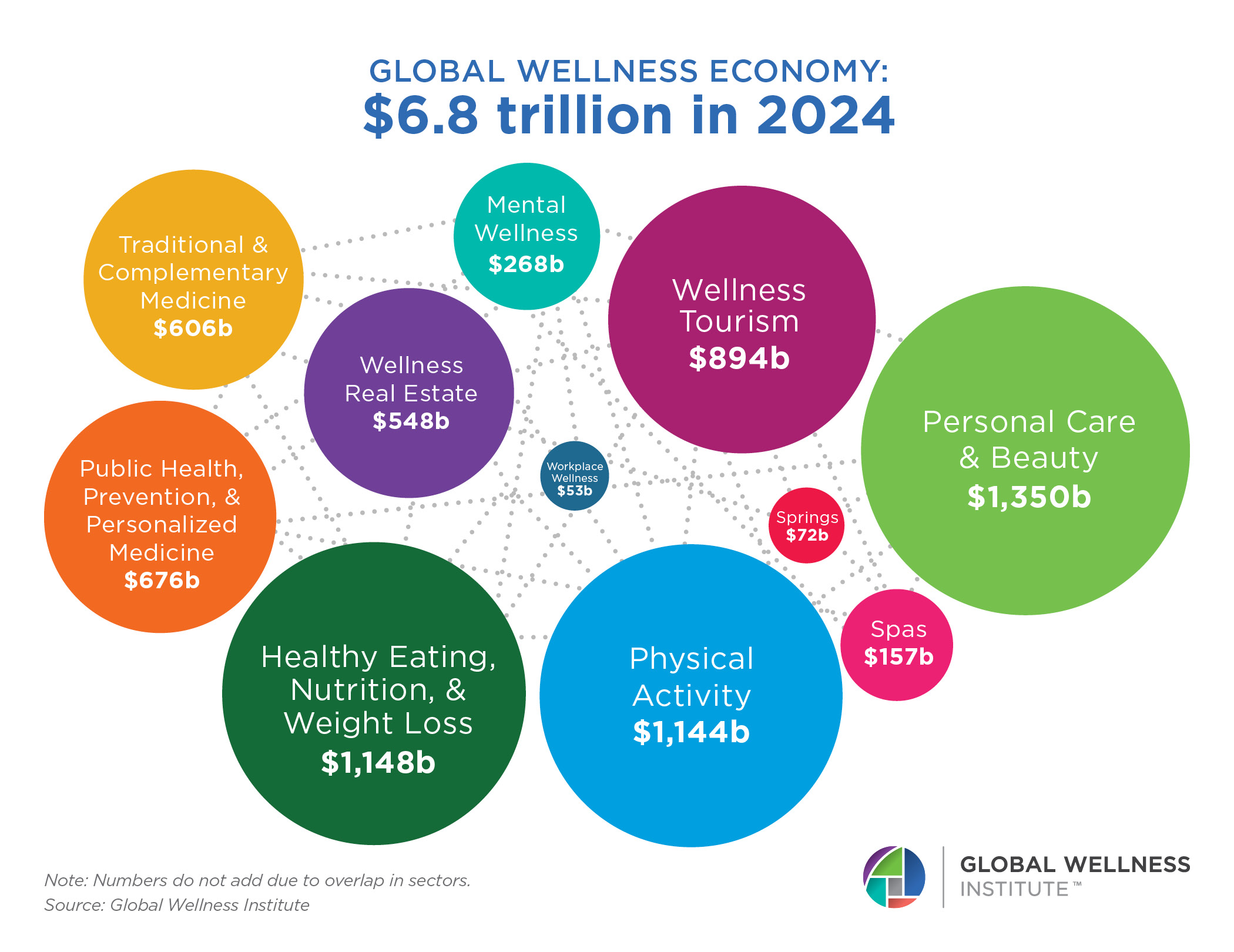
Wellness, A Massive Economic Force: Wellness ($6.8T) now surpasses other global mega-industries, including sports ($2.7T), tourism ($5T), the green economy, ($5.1T), and IT ($5.3T). It’s almost four times bigger than the pharmaceutical industry ($1.8T) and is 60% as large as all global health expenditures (including consumer and government spending of $11.2T). Wellness keeps growing its share of the overall world economy: if it represented 5.7% of global GDP in 2019, and 6.1% in 2024, GWI forecasts that it will comprise 7.1% by 2029.
Because the trends fueling the wellness industry will only accelerate—an aging population, rampant chronic disease and mental unwellness, and a market newly focused on prevention and longevity––GWI predicts that the industry will grow at an even faster pace (7.6% annually) through 2029, when it will approach $10 trillion. The predicted biggest gainers through 2029 by annual growth rate are wellness real estate (15.8%), traditional & complementary medicine (10.8%), mental wellness (10.1%) and thermal/mineral springs (10%).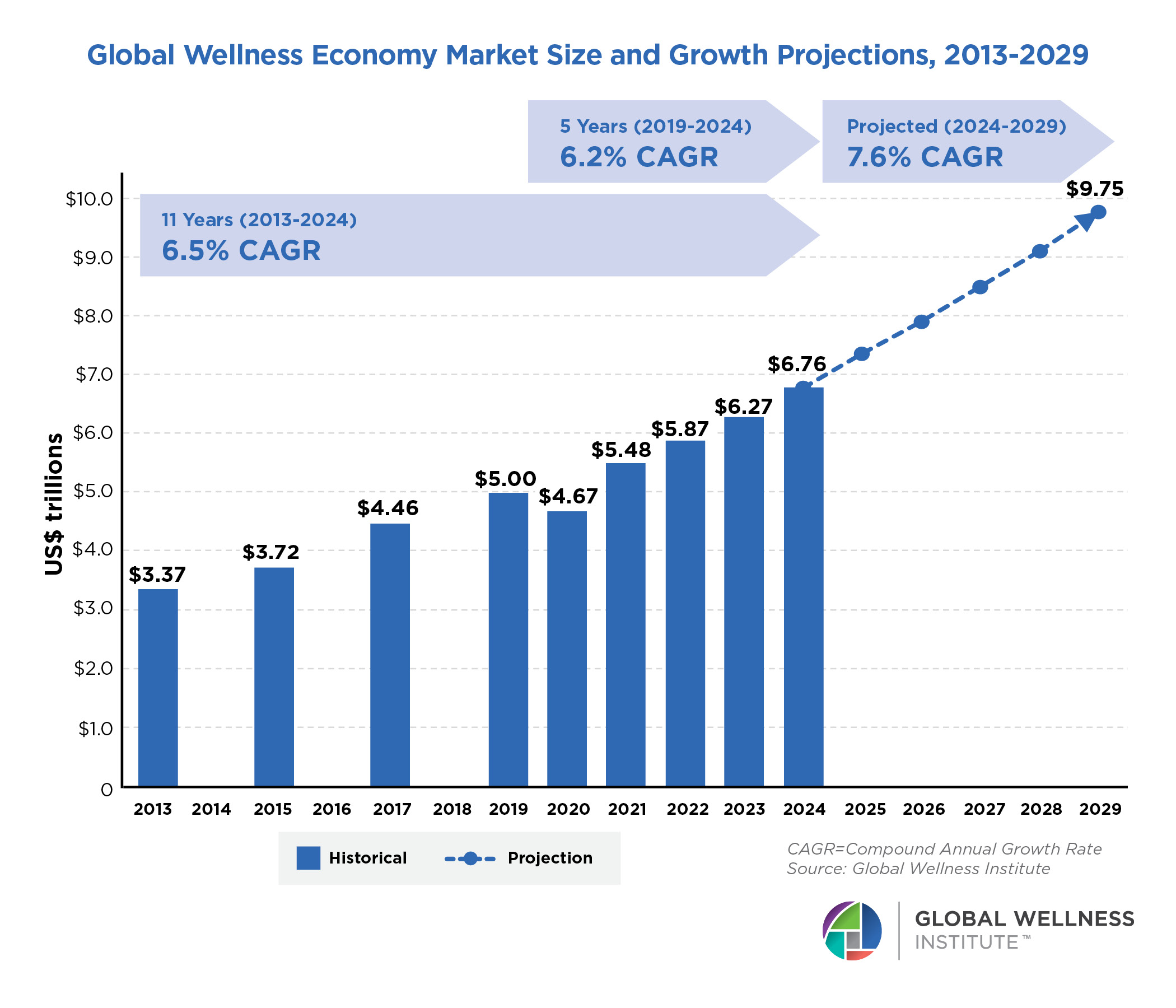
“Now that the wellness economy has fully recovered from the pandemic, we can see how unstoppable it is as a consumer trend, and also how much the future growth has been accelerated by our pandemic experiences,” said Katherine Johnston, GWI senior research fellow. “There’s been a sea change in consumer mindsets, with prevention, mental health, social connection, the impacts of our living environments, and nature becoming dramatically more important all over the world. These shifts are fueling growth across all wellness sectors––from wellness real estate and mental wellness to hot springs and social bathing to more sophisticated preventative medical-wellness solutions.”
The 140-page report is filled with new market data, sub-sector breakdowns and future projections for all 11 wellness sectors––along with regional data and the top 20 national markets for each wellness sector. New for 2025 (Chapter 2) is an exploration of the powerful market trends that will impact the future of all 11 wellness sectors and why certain segments are growing faster or slower.
Download the free report HERE.
Access graphs HERE.
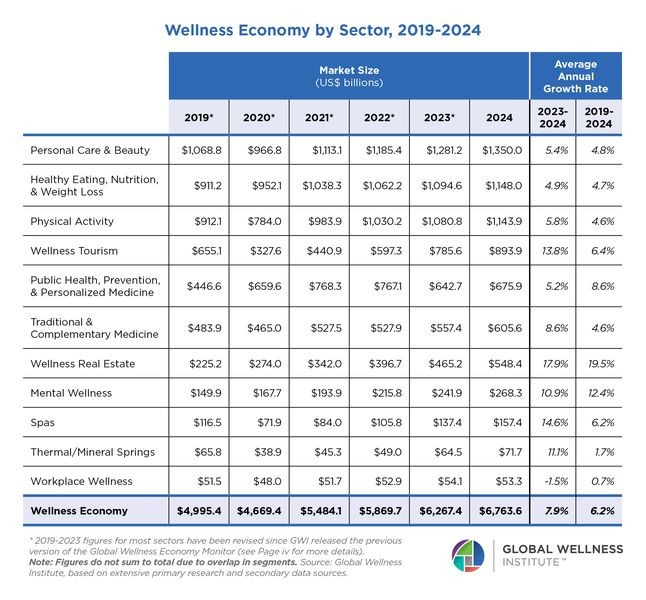 The fastest-growing market over the last five years is wellness real estate (19.5% annually), as the pandemic ignited a new awareness about the extraordinary impact that external environments have on our physical and mental health. The #2 growth star: mental wellness (12.4% annually), as people face increasingly immense stresses, and because for younger generations, mental wellbeing is non-negotiable. The US mental wellness market ($125 billion) dwarfs all other countries, with China a distant second at $16 billion. Mental wellness segments with powerful annual growth these last five years were cannabis products (26%), meditation and mindfulness (18.9%), and sleep (12.6%).
Four markets fall into the “mature and steady growth sectors”: personal care and beauty; healthy eating, nutrition and weight loss; physical activity; and traditional and complementary medicine, all of which experienced strong (roughly 5%) annual growth from 2019 to 2024. The tourism-based wellness sectors were hit hard by the pandemic but roared back between 2023 and 2024: wellness tourism grew 13.8%, spas 14.6%, and thermal/mineral springs 11.1%, making them three of the four largest year-over-year gainers, along with wellness real estate. Workplace wellness stands out for its lack of growth, as more employers move away from programmatic approaches to employee wellness and the surge in remote and “gig” work leaves more employees without access to such benefits.
Per capita spending on wellness is dramatically higher in North America ($6,029) and Europe ($1,876) compared to other regions like Latin America-Caribbean ($607), Asia ($471) and the Middle East-North Africa ($339).
The report is packed with sub-sector data, from the dramatic growth of the fitness tech market, which more than doubled in the last five years to reach $86 billion, to the contraction of the weight loss services market in 2024 (-1.1%) with the boom in GLP-1s.
Which Wellness Markets Will Grow Fastest?
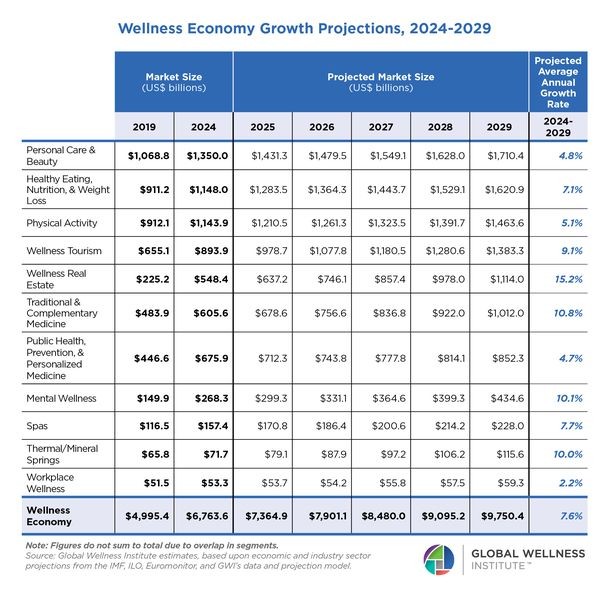
Wellness real estate will remain the #1 growth leader (15.2% annual growth), doubling in size in the next five years, just as it did in the last five. Notable: traditional and complementary medicine is projected as the #2 future gainer (10.8% annually), not only because Ayurveda, TCM and herbal medicines are getting infused in ever more supplements/products, but because the category includes the spawning longevity and biohacking approaches––from infrared light therapy to cryotherapy to IV drips––now ubiquitous in fitness/wellness centers, spas and resorts.
Both mental wellness (10.1%) and wellness tourism (9.1%) will see powerful annual growth. The thermal/mineral springs market will be a future standout (10% annual growth) as hundreds of springs-based destinations are in the global investment pipeline and social bathhouses and water-based destinations are a huge global trend. Also to watch: within the “public health, prevention and personalized medicine” segment, the now $147 billion personalized medicine market is expected to see a rapid 9.3% yearly growth through 2029, as longevity-seeking consumers rush to diagnostic services and personalized health optimization.
By 2029, six wellness sectors—personal care & beauty; healthy eating, nutrition, & weight loss; physical activity; wellness tourism; wellness real estate; and traditional & complementary medicine—will exceed $1 trillion in market size.
Research Sponsors: This research was made possible by these leading companies: Aldar Properties PJSC, Amway, Fountain Life, Sable Investments, Therme Group, Eywa by R Evolution, Hyatt, NADclinic, Carillon Miami Wellness Resort, Technogym, amp, KOHLER, Mather, Rancho la Puerta, Six Senses and Universal Companies.
About the Global Wellness Institute: The Global Wellness Institute (GWI), a nonprofit 501(c)(3), is considered the leading global research and educational resource for the global wellness industry and is known for introducing major industry initiatives and regional events that bring together leaders to chart the future. GWI positively impacts global health and wellness by educating public institutions, businesses and individuals on how they can work to prevent disease, reduce stress and enhance overall quality of life. Its mission is to empower wellness worldwide.
The post The Global Wellness Economy Hits a Record $6.8 Trillion and Is Forecast to Reach $9.8 Trillion by 2029 appeared first on Global Wellness Institute.
]]>The post 2025 Global Wellness Economy Monitor appeared first on Global Wellness Institute.
]]>
2025 Global Wellness Economy Monitor
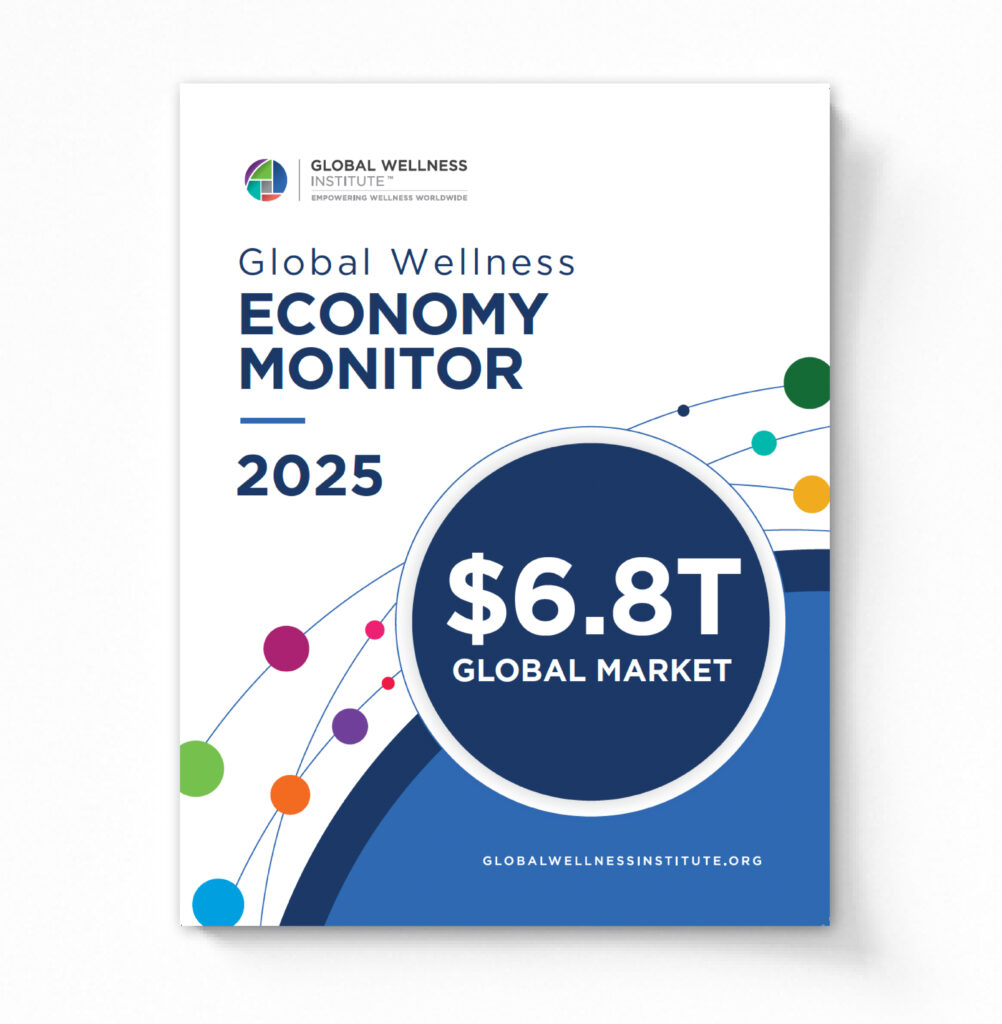
The 2025 Global Wellness Economy Monitor reveals that the wellness economy has doubled in size since 2013 and reached a new peak of $6.8 trillion in 2024. All sectors have now fully recovered from the pandemic, most by significant margins. The wellness economy is projected to grow by 7.6% annually over the next five years, reaching an estimated $9.8 trillion in 2029. This report is packed with data capturing the growth and trends in the global wellness economy and its 11 sectors from 2019-2024, with 5-year projections through 2029.
View full press release. For more information, see GWI’s Wellness Economy Data Series.
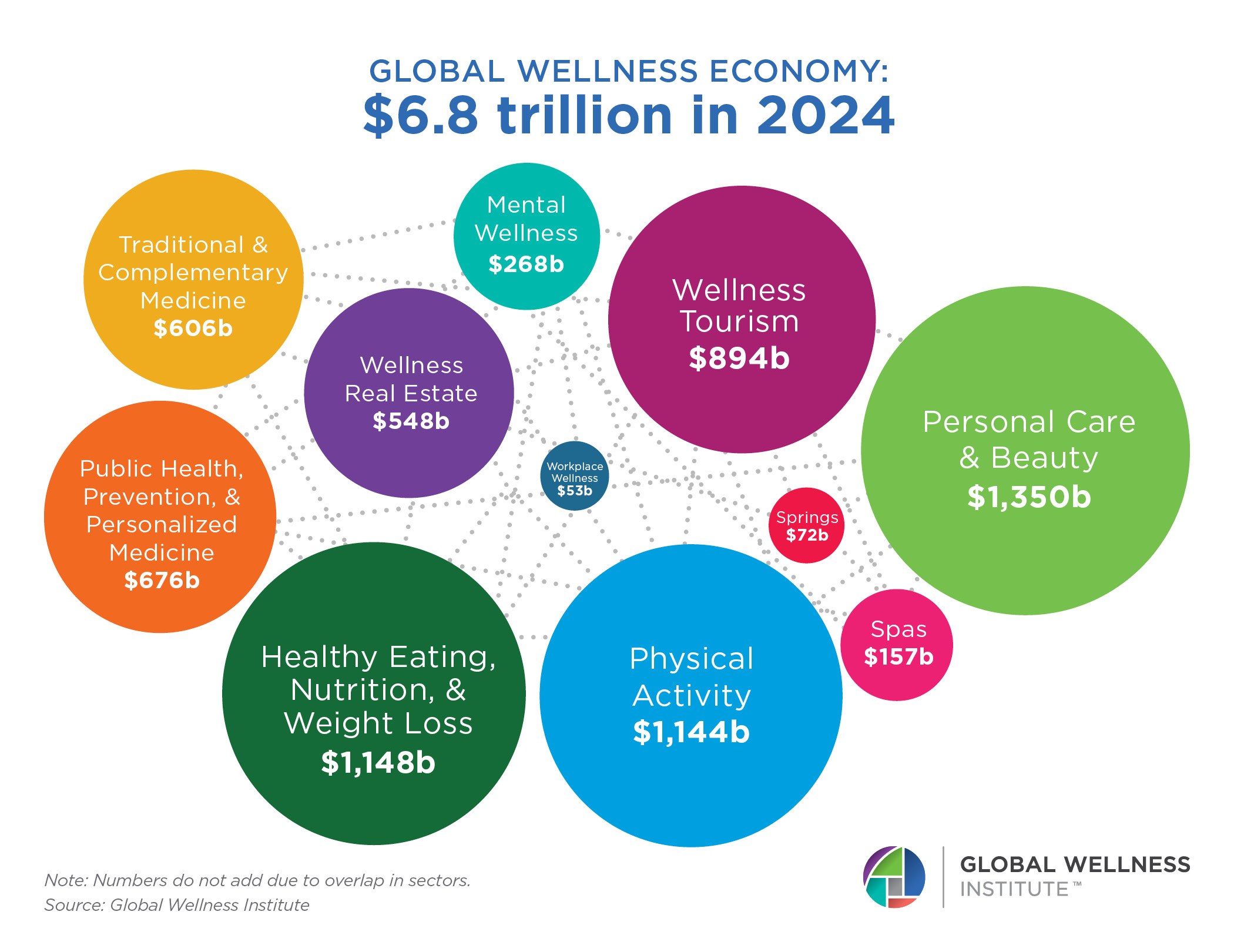
DOWNLOAD BUBBLE CHART AND OTHER KEY GRAPHICS
What is the Wellness Economy?
The wellness economy encompasses 11 varied and diverse industries that enable consumers to incorporate wellness activities and lifestyles into their daily lives.
Key Findings:
- The global wellness economy grew by 7.9% from 2023-2024 and reached a new peak of $6.8 trillion in 2024. It has doubled in size since 2013.
- The wellness economy is a major force in the global economy, larger in size than the green economy, IT, tourism, and sports.
- The global wellness economy has consistently grown faster than the global economy. Looking over the long term, wellness grew by 6.5% annually from 2013-2024, while global GDP grew by 3.2% annually. Wellness represents 6.12% of global GDP as of 2024.
- North America, Middle East-North Africa, and Europe are the fastest-growing regional wellness economies over the last five years and have shown the strongest resilience and recovery in the post-pandemic period.
- All of the eleven wellness sectors have fully recovered from the pandemic, with a 2024 market size that exceeds their 2019 level. Wellness real estate and mental wellness are by far the fastest-growing sectors, expanding at average annual rates of 19.5% and 12.4%, respectively, from 2019-2024.
- We project the global wellness economy will expand by 7.6% annually from 2024-2029, a growth rate substantially higher than the projected global GDP growth of 4.5% (according to current IMF forecasts). The wellness economy is expected to reach nearly $9.8 trillion in 2029.
The post 2025 Global Wellness Economy Monitor appeared first on Global Wellness Institute.
]]>The post UAE Wellness Economy Surges to $34.1 Billion, the Largest in the Middle East, New Global Wellness Institute Report Reveals appeared first on Global Wellness Institute.
]]>Media Contact: Beth McGroarty
beth.mcgroarty@globalwellnesssummit.com • +1.213.300.0107
Global Wellness Summit | Global Wellness Institute | Press Image Gallery | Press Release Archive
UAE Wellness Economy Surges to $34.1 Billion, the Largest in the Middle East, New Global Wellness Institute Report Reveals
The inaugural report shows the UAE’s wellness economy grew an impressive 58% between 2019 and 2023

Miami, FL – October 8, 2025 – The nonprofit Global Wellness Institute (GWI), the leading research organization for the global wellness industry, has released its first-ever report on the wellness economy of the United Arab Emirates (UAE)—revealing it is the largest in the Middle East/North Africa (MENA) region, valued at $34.1 billion.
The report, which has been released just before the Global Wellness Summit (GWS) taking place in Dubai in November, is available on GWI’s Geography of Wellness platform. It shows that the UAE’s wellness economy grew a remarkable 58% between 2019 and 2023, outpacing most global markets. Among all countries with wellness economies above $5 billion, the UAE recorded the second-fastest growth rate worldwide.
The UAE ranks #1 in the MENA region in several wellness markets (at year-end 2023), including Wellness Real Estate ($1 billion), Personal Care & Beauty ($14.4 billion), Spas ($2.4 billion), and Wellness Tourism ($7.2 billion) — all subjects that will be addressed during the three-day GWS from November 18-21.
“The UAE’s wellness economy is not only the largest in the Middle East and North Africa, it is also one of the fastest-growing markets in the world, which speaks to the country’s bold vision and strategic investments in wellbeing,” said Susie Ellis, GWI and GWS chair and CEO. “With momentum building toward the 2025 Global Wellness Summit in Dubai, it’s the perfect moment to highlight these impressive numbers and what they mean for the future of wellness in the region. This research underscores why the UAE is rapidly becoming a global hub for wellness real estate, tourism, and longevity innovation, and we can’t wait for our Summit delegates to be able to experience this growth first-hand.”
To learn more about the UAE’s wellness economy, visit its dedicated Geography of Wellness page on the GWI website.
The GWS will take place at the newly opened Mandarin Oriental Downtown Dubai. A full list of confirmed speakers can be found on the GWS website here.
Registration is open—apply now.
Accredited media can apply to attend here.
About the Global Wellness Institute
The Global Wellness Institute (GWI), a nonprofit 501(c)(3), is considered the leading global research and educational resource for the global wellness industry and is known for introducing major industry initiatives and regional events that bring together leaders to chart the future. GWI positively impacts global health and wellness by educating public institutions, businesses and individuals on how they can work to prevent disease, reduce stress and enhance overall quality of life. Its mission is to empower wellness worldwide.
About the Global Wellness Summit
The Global Wellness Summit brings together leaders and visionaries to positively shape the future of the $6.3 trillion global wellness economy. In addition to an annual conference, held at a different location around the globe, GWS also hosts annual in-person events such as the Wellness Real Estate & Communities Symposium and the Beauty & the Brain Symposium, along with virtual gatherings, including Wellness Master Classes and Wellness Sector Spotlights. The organization’s Future of Wellness report forecasts the top wellness trends for the year ahead and is oft-quoted in the media. The 19th annual Global Wellness Summit will be held in Dubai, November 18-21, 2025.
The post UAE Wellness Economy Surges to $34.1 Billion, the Largest in the Middle East, New Global Wellness Institute Report Reveals appeared first on Global Wellness Institute.
]]>