The post Aesthetic Health Initiative Trends for 2026 appeared first on Global Wellness Institute.
]]>2026 Trends

Aesthetic health continues to evolve as a key pillar of modern wellbeing. Simply stated, it is the art and science of understanding how the signs and symptoms of beauty impact our lives. The term “aesthetic” is defined as the philosophy of beauty, and so it makes sense that today’s definition is more of an umbrella term and continues to expand. As we review the trends in beauty and health, the focus ties in with the general population’s goals to live healthier overall, be attractive (as one may define it) and live a long life. Evidence continues to mount proving that there is no separation between health and appearance. Aesthetic health has been tied to humans since primitive times. Better teeth, clear skin, beautiful hair and a healthy body have always represented one’s ability to continue strong family lines, and to ensure longevity, which has been a constant quest of mankind. Embracing the influence of beauty on our brains and how that ties into our overall health will take us to new heights in understanding aesthetic health.
Driven by advances in science, technology and education, the leading aesthetic health trends for 2026 highlight a future shaped by innovation, evidence-based practice and increasing accessibility, as patients seek personalized solutions that deliver natural, lasting results to support long term health and preventative care.
TREND 1: The Basic Science of Neuroaesthetics Is Evolving to Ask Questions Beyond Beauty
The reward system is deeply involved in aesthetic appreciation. The ventral striatum, including the nucleus accumbens, shows increased activity for pleasing and preferred objects. This reward circuitry, which normally releases dopamine and endogenous cannabinoids and opioids for biologically significant pleasures, is activated by beautiful faces, artwork, music and even pleasing architectural spaces. However, aesthetics often goes beyond pleasure and liking, and incorporates nuanced emotions. In some instances, negative emotions can contribute to powerful aesthetic experiences, like a sense of anxiety embedded in the experience of awe. Researchers in the US and Europe are uncovering a more complex cocktail of emotions experienced in aesthetic encounters.
The rise in neurocosmetics and the mind-skin connection will bring forward compounds that interact with the skin’s receptors to positively affect emotional states and link psychological health and skincare. This will support the expanding wellness industry by furthering emotional wellbeing and stress reduction, encouraging more businesses to draw on all five senses and produce services and products that customers look forward to buy and consume.
Resources:
- Menninghaus, W., Wagner, V., Wassiliwizky, E., Schindler, I., Hanich, J., Jacobsen, T., & Koelsch, S. (2019). What are aesthetic emotions?. Psychological review, 126(2), 171.
- Fingerhut, J., & Prinz, J. J. (2020). Aesthetic emotions reconsidered. The Monist, 103(2), 223-239.
- Christensen, A. P., Cardillo, E. R., & Chatterjee, A. (2023). What kind of impacts can artwork have on viewers? Establishing a taxonomy for aesthetic impacts. British journal of psychology, 114(2), 335-351.
- Stamkou, E., Keltner, D., Corona, R., Aksoy, E., & Cowen, A. S. (2024). Emotional palette: a computational mapping of aesthetic experiences evoked by visual art. Scientific Reports, 14(1), 19932.
TREND 2: Longevity Aesthetics
Longevity aesthetics is one of the biggest shifts we will see advancing in beauty and health. Instead of trying to “reverse ageing” the focus is shifting towards optimizing biological age and long term health. More brands will begin to offer treatments that improve sleep, recovery, stress resilience and cellular repair, like NAD+ therapy and cellular repair treatments.
Traditional beauty and aesthetics treated wrinkles or sagging skin as cosmetic problems. Longevity aesthetics asks a different question: How old are your cells biologically?
Skin is increasingly viewed as a window into internal health. As a result, services in this area will combine dermatology, nutrition, hormone optimization and metabolic testing.
Future longevity aesthetics will use biological data to guide treatments. Epigenetic age testing, microbiome analysis and wearable health monitors will all be used to treat collagen breakdown, inflammation markers, oxidative stress and hydration levels. The future will be more about looking young through improved health than relying on procedures to hide ageing.
Resource:
- Longevity cosmeceuticals as the next frontier in cosmetic innovation //pmc.ncbi.nlm.nih.gov/articles/PMC12137348/
TREND 3: Psycho-Dermatology – Exploring the Brain/Body Connection and Its Effect on Our Health and Appearance
The link between our mental and physical states and their impact on our skin’s condition and our general health and wellbeing continues to gain momentum. The next chapter of wellness for aesthetic health will be the mind-body beauty connection where mental wellbeing and physical health are more intertwined. The acceleration of the mind/body connection will encourage more brands, spa operators and wellness professionals to enhance the wellness journey with neuro cosmetics, incorporating stress relieving techniques, healing practices and revised routines to accelerate this understanding. People will be willing to pay more for products with mood boosting qualities. Looking good makes people feel more confident and maintaining good mental wellbeing is key to overall wellbeing.
Our current circumstances continue to bring these ideas to light, and beauty presents an opportunity to improve and target this space with new innovations like edible and drinkable products, biometric screening in spa and wellness settings, skin immunity and wider emphasis on integrative wellbeing. Integrative medicine practitioners will be aware of the role that stress plays in disease, and we will continue to see medical and wellness approaches come together to manage stress and prevent skin conditions like acne, rosacea and premature aging.
*Did you know that the brain and skin have the same embryonic origin? Skin and brain form at the same time on day 21 of the embryo, with the outermost part of the embryo – the ectoblast – giving rise to the nervous system and the epidermis. Your skin is therefore a sort of extension of the brain. Its nerve architecture is extremely complex, with no less than 800,000 neurons, 11 meters of nerves and around 200 sensory receptors per cm3. This connection makes it impossible to dissociate the psychic realities that each of us undergoes on a daily basis from the physical ones concerning our skin.
Resource:
- *Prof. Laurent Misery, Head of the Department of Dermatology at the University Hospital of Brest, France
TREND 4: Regenerative Aesthetic Medicine
Sound science and data-backed products and services are not just hoped for by consumers, they are expected. A huge trend is regenerative treatments that repair tissues instead of temporarily filling or freezing them.
The microbiome remains an important focus, and soon we will see a new generation of regenerative biotherapeutics featuring bioactive proteins, growth factors and nucleic acids taking center stage for skin and hair rejuvenation. Exosomes can provide similar benefits to stem cell therapy without many of the unwanted side effects and polynucleotides help improve the skin tissues on a cellular level. Rather than introducing new ingredients, hi-tech performing cosmetic brands will focus on advanced delivery systems for optimum efficacy and outcomes, bringing forth new ways to innovate legacy ingredients and equipment. We will also see tissue regeneration instead of botox style correction, with an emphasis on long term structural improvements
*The field of aesthetic health, particularly in medical aesthetics, has been experiencing significant trends and advancements. There’s a growing preference for less invasive treatments that offer minimal discomfort and require little to no downtime. This trend reflects a shift towards procedures that can be done quickly, often in an outpatient setting, with rapid recovery times. This is driven by factors such as advancements in technology, growing awareness about aesthetic treatments, and an ageing population seeking anti-aging solutions.
Resource:
- *Prof Patrick Treacy Medical Director Ailesbury Clinics MICGP, MBCAM, H. Dip Dermatology, DRCOG, DCH, LRCSI, DTM MB BCh
TREND 5: Hyper-Personalized Aesthetics Using AI and Biomarkers with an integrative approach to singular issues
Technology will allow personalized treatments tailored to an individual’s biology, genetics and lifestyle using AI skin diagnosis, DNA-based skincare, predictive ageing models and real time. Skin and hair will become biomarkers of overall health, linking beauty directly to medical diagnostics.
As the concept of wellness evolves into a whole-person approach to health, 2026 will continue to see an increasing trend where specific issues are addressed through multiple modalities. Take skin health, for example. Instead of solely relying on specific skincare treatments for physical concerns, holistic approaches that incorporate aspects like diet, sleep and mental health will become a standard part of the wellness examination. Addressing aesthetics will involve an approach that encompasses the mind, body and spirit, linking the concept of improving appearance to enhancing overall wellbeing. Similarly, physical products that extend benefits to mental states will gain heightened attention. For instance, food and beverages with ingredients beneficial for digestion that also enhance mood, and cosmetics that not only improve physical appearance but also aim to boost self-confidence and nurture self-care will continue to spotlight the expansion from traditional aesthetics to encompass elevated mental states.
TREND 6: Traditional Ingredients Paired with Innovation
Consumers want innovations, but they also increasingly want the familiar effectiveness of the ingredients and practices they have come to trust over time. In 2026, we will continue to see more products and lifestyle management approaches inspired by traditional practices like Ayurveda, homeopathy, traditional Chinese medicine and Amazonian customs.
Products will blend herbal and plant medicine with modern science, offering solutions that address physical, mental and spiritual wellbeing. By blending time-honored knowledge with contemporary research and technology, brands will be able to deliver more holistic and trusted results. This trend represents the fusion of ancient wisdom and modern science, offering consumers a balanced approach to beauty, health and wellness that feels both innovative and reassuringly familiar.
Resources:
- Eating for Wellness Will Be a Lot Simpler—And More Celebratory—In 2024: https://www.wellandgood.com/wellness-minded-food-brands/
- Beauty + Wellness Category Expands Market by 45% Determines NIQ Report, Dec. 13, 2023: https://www.cosmeticsdesign.com/Article/2023/12/13/Beauty-Wellness-category-expands-market-by-45-determines-NIQ-report
- Formulation Trends Driving Feel-Good Products in Self-Care Rituals: https://beautymatter.com/articles/formulation-trends-driving-feel-good-products-in-self-care-rituals
- Cosmetics Business reveals the top 5 ‘Ancient Beauty’ trends of 2024 in new report: https://cosmeticsbusiness.com/cosmetics-business-reveals-the-top-5-ancient-beauty
- Integrative approach to lifestyle management: Implications for public health research & practice in the context of SDG-3: https://www.ncbi.nlm.nih.gov/pmc/articles/PMC10692374/
The post Aesthetic Health Initiative Trends for 2026 appeared first on Global Wellness Institute.
]]>The post MUST-READS FROM THE WELLNESS WORLD (Feb 25, 2026) appeared first on Global Wellness Institute.
]]>
From Paris to New Delhi, the Push to Ban Teens from Social Media Is Going Global–The Wall Street Journal
Moves to bar younger teens from social media across Europe and Asia are going, well … viral. What started as an isolated regulatory gamble by Australia last fall has spread to more than a dozen countries. The policies add to a growing backlash against teen smartphone use, blamed by critics for deteriorating mental health and causing an epidemic of screen addiction. From Paris to New Delhi, limits on children’s and teen’s access to apps such as TikTok, Instagram and YouTube are now being debated or implemented, marking a tipping point in government action about regulating social media.
Society Needs a Doctor’s Prescription for Nature–Noéma
The healing impact that nature has on our cognitive, mental and physical capabilities is firmly anchored in scientific research. This article looks at how nature could help repair society’s fast-fraying social fabric. Environmental neuroscientists argue that we can design environmental conditions that “make people good” through small interventions that reintegrate nature into our cities, schools, healthcare and daily lives. “In a world seemingly short on empathy, nature offers a crucial and largely non-political pathway toward restitching our disintegrating societal fabric.”
Why “Read More” May Be the Most Underrated Thinking Advice We Have–The Big Think
Reading is in serious decline: In the US, people reading for enjoyment fell by more than 40% from the early 2000s to the early 2020s; in the UK, 40% of adults didn’t read or listen to any book in the last year. If the benefits of reading (improved concentration and empathy, and reduced stress) are well known, this article explores how, from a cognitive standpoint, reading is what allows original ideas to emerge through combination, analogy and sustained reflection. Reading more may be the most underutilized cognition-improving practice we have.
What Can We Learn from Death in the Age of Longevity?–Time
While GLP-1s may have undermined the body positivity movement, there hasn’t been enough conversation about the effect of the new longevity mania on the “death positive” movement that was gaining so much momentum right before the longevity market exploded.
Arianna Huffington reminds us here that the new danger of chasing the false promise of immortality is losing access to the very profound lessons of mortality. Bringing death into our lives (as a practice) is what paradoxically allows us to live more fully, with studies showing that remembering our time is limited can fill that time with meaning, clarity, purpose and connection.
A Striking Stat: 83% of workers globally report they’re now struggling with burnout. The top driver: 48% report “overwhelming workload,” up from 35% in 2025.
Source: DHR Global, Workforce Trends Report 2026
The post MUST-READS FROM THE WELLNESS WORLD (Feb 25, 2026) appeared first on Global Wellness Institute.
]]>The post When the Body Over-Reads the World: Mast Cells, Sensory Intelligence, and Emotional Skin appeared first on Global Wellness Institute.
]]>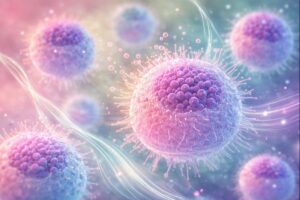
Mast cells are often introduced in medical training as the foot soldiers of classic allergy: histamine-filled, quick to degranulate, and responsible for hives, flushing, and the familiar arc of allergic reactivity. But the last decade of research has recast them into something more complex—and far more interesting.
Mast cells are increasingly understood as neuroimmune interface cells: immune cells that both respond to nearby nerves and actively signal back to them, shaping vascular tone (blood flow), pain perception, barrier function (such as skin and gut integrity), and inflammatory cascades. As such, they sit at the crossroads of immunology, neurobiology, trauma physiology, and—unexpectedly—aesthetics.
For individuals working in beauty, wellness, dermatology, integrative medicine, or minimally invasive aesthetics, mast cells matter not only because they mediate hives or sensitivity reactions, but because they reveal something about how the body interprets the world. They reflect whether the environment feels safe or threatening—through skin, through sensation, through emotion. They link the immune system to the autonomic nervous system (ANS—the branch of the nervous system that regulates heart rate, digestion, vascular tone, and stress responses) and, in many ways, to the emotional life of the skin.
Understanding this connection reshapes how we approach patients who flush, react, or “mysteriously” break out under stress. It also reframes aesthetic practice as a sensory–neuroimmune experience, not merely a cosmetic one.
Mast Cells as the Body’s Sensory Border Patrol
Mast cells sit at the body’s perimeter: the skin, the gut, the airways, the meninges (the membranes surrounding the brain), and the vasculature.
Their strategic location allows them to evaluate the world—pathogens, allergens, temperature shifts, physical pressure, and emotional arousal—and translate those inputs into rapid physiological responses.
Contemporary scholarship frames mast cells not as simple allergy cells but as environmental interpreters. They store and release:
- histamine
- tryptase
- prostaglandin D₂
- leukotrienes
- cytokines such as IL-6 and TNF-α
These mediators influence vascular tone, smooth muscle contraction, barrier integrity, itch signaling, pain pathways, and immune-cell recruitment (Castells et al., 2024; Özdemir et al., 2024).
What is striking—especially from the vantage point of aesthetics and touch-based therapies—is how readily mast cells respond to non-allergen cues.
Mechanical pressure, temperature shifts, neuropeptides (chemical messengers released by nerves), hormones, and abrupt emotional changes associated with stress physiology can all trigger mediator release.
In other words, mast cells are not responding only to allergen load; they are responding to meaning—to the body’s sense of situational safety, reflected in patterned physiological signaling associated with perceived challenge or calm.
Stress, Trauma, and the ANS–Mast Cell Loop
The last decade has clarified the close proximity—and constant communication—between mast cells and the autonomic nervous system (ANS).
Mast cells cluster around peripheral nerves and express receptors for neurotransmitters, neuropeptides, and stress hormones. Conversely, mast-cell mediators directly influence neural firing, vasodilation, pain sensitization, and the permeability of protective barriers, including the gut lining and the blood–brain barrier (Forsythe, 2019; Theoharides et al., 2024).
Stress physiology is therefore not a psychological abstraction—it has biochemical consequences. During acute or chronic stress, the hypothalamic–pituitary–adrenal (HPA) axis releases corticotropin-releasing hormone (CRH) and catecholamines (such as adrenaline), both of which can provoke mast-cell activation (Theoharides, 2024; Skaper et al., 2019).
Clinically, this helps explain why some individuals experience:
- flushing or hives in emotionally charged moments
- gastrointestinal distress during conflict or public speaking
- temperature-triggered urticaria under sympathetic dominance
- dysautonomia-like episodes accompanied by mast-cell mediator flares
The literature stops short of claiming a single unified disorder of ANS–mast-cell dysregulation, but the connection itself is unmistakable.
A 2025 AGA (American Gastroenterological Association) expert review highlights the frequent coexistence of hypermobile Ehlers–Danlos syndrome (hEDS), postural orthostatic tachycardia syndrome (POTS), and mast-cell–mediator–driven gastrointestinal symptoms, reflecting cross-talk between connective tissue, autonomic tone, and barrier immunity (AGA Institute, 2025). Kucharik & Chang’s review of the hEDS/POTS/MCAS triad points in the same direction (2020).
For aesthetic practitioners, this means that reactions seen during or after treatments may involve systems far broader than local skin response. They may reflect the patient’s baseline autonomic and neuroimmune landscape rather than a simple contact or product sensitivity.
When Two Systems Converge: A TCM Interpretation of Neuroimmune Reactivity
Traditional Chinese Medicine (TCM) offers a remarkably parallel understanding of neuroimmune sensitivity—though expressed in a different medical language.
In TCM, sudden, reactive, and emotionally inflected symptoms fall within classical patterns involving the Liver system (associated with regulation of stress and autonomic shifts), the Spleen system (linked to digestion, inflammation, and fluid metabolism), the Lung system (boundary function and immune vigilance, often described as Wei Qi), and the Kidney system (long-term regulatory reserve and stress resilience).
These systems describe networks of function rather than isolated organs, mirroring the distributed nature of mast cells throughout fascia, nerves, mucosa, vasculature – even surrounding the brain.
Many mast cell activation syndrome (MCAS)-like presentations map elegantly onto these classical frameworks: Liver-driven “Wind” reactions, Spleen-related Dampness affecting gut barrier function, Lung-mediated skin sensitivity, and Kidney-associated vulnerability to chronic stress.
This is not offered as metaphor alone. It represents two medical languages describing the same underlying phenomenon: the convergence of immune vigilance, sensory processing, and emotional regulation.
Why MCAS (Mast Cell Activation Syndrome) Belongs in a Neuroaesthetics Conversation
Neuroaesthetics explores how the brain responds to beauty, coherence, and sensory order—and how these experiences shape emotional, cognitive, and physiological states.
While this literature often uses the term beauty, here it may be more precise to speak of the salubrious: sensory inputs that regulate the nervous system and support physiological balance.
Mast-cell physiology highlights the opposite end of this spectrum: what happens when the body interprets the world as jagged, unpredictable, or threatening.
Beauty and threat exist on a continuum of sensory meaning-making:
- Salubrious inputs (soothing touch, coherent environments, gentle color and light, rhythmic or predictable sensory experience) tend to downshift autonomic arousal and reduce inflammatory signaling.
- Noxious or disorganizing inputs (abrupt pressure, sharp sensory contrast, unpredictability, emotional tension) may upshift sympathetic tone and provoke mast-cell activation in sensitive individuals.
This makes aesthetic settings—not traditionally viewed as neuroimmune environments—important spaces for sensory regulation. The sensory choreography (touch, sound, light, order etc) of a treatment room may have neurobiological consequences for people with reactive biology.
Aesthetic Practice as a Neuromodulatory Environment
This is not about diagnosing MCAS or treating immune pathology in an aesthetic setting. Rather, it is about recognizing that every aesthetic treatment is a sensory event—one that interfaces with the nervous system, the emotional brain, and the immune system in real time.
Research cited in the previous post demonstrates that acupuncture, intentional touch, facial massage, structured breathing, and coherent multisensory environments can regulate limbic activity, improve heart-rate variability (a marker of autonomic flexibility), and modulate stress circuits that affect mast cells downstream.
In parallel, mast-cell literature shows that sympathetic arousal, temperature shifts, pain anticipation, and emotional stress influence mediator release (Forsythe, 2019; Theoharides, 2024; Chan et al., 2024).
This intersection underscores a key point for aesthetic and wellness practitioners:
The body reacts not just to what we do, but to how we do it—and in what sensory and emotional context.
For patients with mast-cell sensitivity, gentleness, predictability, and sensory coherence are as therapeutic as the intervention itself.
The Future: Toward Neuroimmune Beauty
As the minimally invasive aesthetics field evolves, the conversation is shifting from procedures to physiology—from surface effects to the sensory–emotional–immune loops that shape how a person experiences their own face, skin, body, and environment.
MCAS is not primarily an aesthetics condition, nor should it be treated as one. But it offers a vivid illustration of what happens when the body over-reads the world—when signals that should be benign feel threatening, and when the skin becomes a site of neuroimmune conversation.
The future of integrative beauty—aligned with neuroaesthetics, TCM, and emerging neuroimmune science—will increasingly recognize:
- the emotional intelligence of the skin
- the sensory intelligence of mast cells
- the role of safety and coherence in treatment environments
- the power of aesthetic rituals to influence the nervous system
- the possibility that beauty, properly understood, is a form of neuromodulation
This is the landscape in which minimally invasive aesthetics will continue to grow: one where sensory meaning, emotional regulation, and immune physiology meet—and where practitioners shape not only appearance, but experience.
References
1. Castells M, Giannetti MP, Hamilton MJ, et al. Mast cell activation syndrome: Current understanding and research needs. Journal of Allergy and Clinical Immunology. 2024 Aug;154(2):255–263.
2. Dilemma of mast cell activation syndrome: Overdiagnosed or something else? Journal of Allergy and Clinical Immunology: In Practice. 2024.
3. Mast cell activation syndrome (MCAS): A primary care guide. 2025.
4. Özdemir Ö, Kasımoğlu G, Bak A, Sütlüoğlu H, Savaşan S. Mast cell activation syndrome: An up-to-date review of literature. World Journal of Clinical Pediatrics. 2024;13(2):92–113.
5. Forsythe P. Mast cells in neuroimmune interactions. Trends in Neurosciences. 2019;42(1):43–55.
6. Theoharides TC. Mast cell–sensory neuron interactions under stress. Journal of Allergy and Clinical Immunology. 2024 letter.
7. Kucharik A & Chang C. The relationship between hypermobile Ehlers–Danlos syndrome (hEDS), postural orthostatic tachycardia syndrome (POTS), and mast cell activation syndrome (MCAS). Clinical Reviews in Allergy & Immunology. 2020 Jun;58(3):273–297.
8. Theoharides K, et al. Mast cells in the autonomic nervous system and potential role in disorders with dysautonomia and neuroinflammation. Annals of Allergy, Asthma & Immunology. 2024;132(4):440–454.
9. Skaper SD, Facci L, Giusti P. Mast Cells in Stress, Pain, Blood-Brain Barrier, Neuroinflammation and Alzheimer’s Disease. Frontiers in Cellular Neuroscience. 2019;13:54.
10. AGA Institute. AGA Clinical Practice Update on GI Manifestations and Autonomic or Immune Dysfunction in Hypermobile Ehlers–Danlos Syndrome: Expert Review. Clinical Gastroenterology and Hepatology. 2025;23(8):1291–1302.
11. Wang J, Wu S, Zhang J, et al. Treatment of allergic rhinitis with acupuncture based on pathophysiological mechanisms: A narrative review. International Journal of General Medicine. 2023;16:3917–3929.
Lynnea Villanova MD is a senior integrative physician with over 30 years of clinical experience in Chinese herbal medicine, neurological scalp acupuncture, and complex chronic disease care. A former Physician Advisor to the North Carolina Acupuncture Licensing Board, she has helped shape clinical and regulatory standards in integrative medicine. Dr. Villanova has led multidisciplinary medical practices across specialties including women’s health, aesthetics, and neurorehabilitation, and has served on the faculty of New York Presbyterian and lectured at UNC School of Medicine. Her interdisciplinary research at the intersection of neuroscience and healing informs her immersive media works exploring brain plasticity and recovery, including Projection Booth, presented at the BrainMind Summit, and Forms of Fire, a theatrical collaboration supported by NYU, Mabou Mines, and the Romanian Cultural Institute.
The post When the Body Over-Reads the World: Mast Cells, Sensory Intelligence, and Emotional Skin appeared first on Global Wellness Institute.
]]>The post Global Wellness Economy: Country Rankings (2019-2024 data) appeared first on Global Wellness Institute.
]]>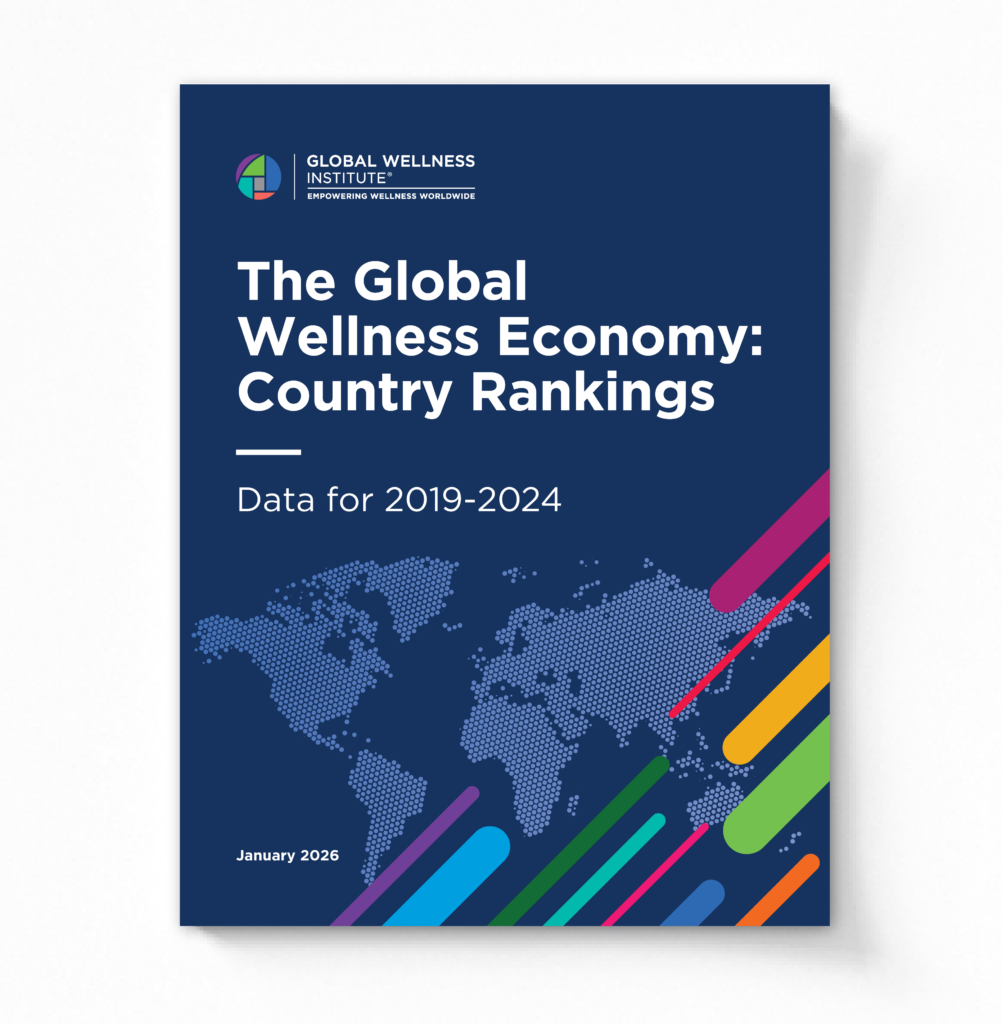
Global Wellness Economy: Country Rankings (Data for 2019-2024)
A companion to GWI’s 2025 Global Wellness Economy Monitor, this report is the only place to find detailed regional and country-level data on the size of the wellness industry. It ranks 145 countries by the size of their wellness economies, compares wellness to the size of each country’s overall economy, examines per capita spending on wellness at the country level, and explores five-year growth trends for the wellness market across different countries. The report also provides a summary analysis and data profile for the wellness economy across six global regions.
For more information, see GWI’s Wellness Economy Data Series.
Selected Key Findings
- The five largest wellness markets in 2024 are: the United States ($2.1 trillion), China ($950 billion), Germany ($281 billion), Japan ($262 billion), and the United Kingdom ($261 billion). The list of countries ranking in the top five has not changed since 2019.
- The global wellness economy is very concentrated in North America, Asia-Pacific, and Europe. The top five largest wellness markets represent nearly 58% of the global wellness economy, while the top 25 represent 86%. The United States alone accounted for nearly 32% of the entire global wellness economy in 2024.
- The top 25 list has changed very little from 2019-2024, but a few countries have made notable increases in their rankings (Saudi Arabia, UAE, India, Australia, Poland, and the Netherlands).
- Among the top 25 markets, only three did not experience a pandemic-related decline in 2020 (Saudi Arabia, the Netherlands, and Taiwan). Since 2020, nearly all of the 25 largest wellness markets have resumed a robust growth trajectory. When we compare the size of the national wellness economies in 2024 versus 2019, all but one of the top 25 markets (Japan) have surpassed their pre-pandemic size when their markets are measured in U.S. dollar terms, and all of the top 25 markets have fully recovered when measured in their local currencies.
- Among the top 25 markets, nine stand out for their especially strong growth trends (exceeding the global average of 6.2% annual growth 2019-2024): Saudia Arabia and India (>11% annual growth); Mexico and Poland (>9% annual growth); and the United Kingdom, the Netherlands, Canada, the United States, and Australia (7.5%-8.5% annual growth).
- Among all countries, the ten countries with the strongest five-year annual growth rates (2019-2024) are: the United Arab Emirates (14.3%); Saudi Arabia (12.2%); India, Croatia, and Cuba (10.5%-11.5%); and Romania, Mexico, Costa Rica, Kazakhstan, and Poland (9%-10%).
- Currency depreciation has affected the measurements of several major wellness economies in Asia (Japan, India, South Korea, Thailand, Indonesia, and the Philippines), as well as Brazil and many European countries. In these countries, the performance of the wellness economy is stronger when measured in their local currencies.
- Four wellness sectors are responsible for much of the wellness economy growth in the largest and fastest-growing markets: wellness real estate; wellness tourism; personal care & beauty; and healthy eating, nutrition, & weight loss.
- Per capita spending on wellness is highest in wealthy countries (Iceland, Switzerland, the United States, Austria, and Australia) and in countries that are highly dependent on tourism (Aruba and the Seychelles, plus Iceland). All of these countries had per capita wellness spending higher than $5,000 in 2024, as compared to $831 globally
DOWNLOAD BUBBLE CHART AND OTHER KEY GRAPHICS
Thank You to These Geography of Wellness Partners
ALDAR
Aldar is the leading real estate developer, manager and investor in Abu Dhabi, with a growing presence across the UAE, MENA, and Europe. Its two core business segments are Aldar Development and Aldar Investment. Aldar Development is a master developer with a 62 million square meters strategic landbank, creating thriving communities across Abu Dhabi, Dubai and Ras Al Khaimah. Its developments are managed by Aldar Projects, also a key partner in the Abu Dhabi government housing and infrastructure projects. Internationally, Aldar owns UK real estate developer London Square and has a majority stake in Egyptian real estate development company, SODIC. Aldar Investment manages a $13 billion portfolio of real estate assets diversified across retail, residential, commercial, logistics and hospitality segments, overseeing four core platforms: Investment Properties, Hospitality, Education and Estates. Visit www.aldar.com.
ANYTIME FITNESS
Anytime Fitness is Australia’s largest fitness community, with more than 585 clubs nationwide. Their mission is simple: to make health and wellness accessible to more Australians, while inspiring healthier lives through genuine support, the power of movement, and a community where everyone feels they belong. Visit www.anytimefitness.com.au.
APEE – ASSOCIAÇÃO PORTUGUESA DE ÉTICA EMPRESARIAL
APEE is an association that has been active in the fields of ethics, social responsibility and sustainability since 2002, constituting itself as the Sectoral Standardization Body, qualified by the Portuguese Institute of Quality. Currently, APEE coordinates the development of standards in the areas of ethics, social responsibility and sustainability, gender equality, ESG (Environmental, Social, and Governance), ethics and integrity in sport and social responses and integrated continuing care. Visit www.apee.pt.58 | Global Wellness Institute
BDMS WELLNESS CLINIC
Thailand has gained international recognition in preventive medical treatments for its quality services at an accessible price. As Thailand’s largest private healthcare network, Bangkok Dusit Medical Services (BDMS) provides advanced medical-based wellness services at the flagship wellness center, BDMS Wellness Clinic. Building on 50 years of tertiary level medical experience from its network of 54 hospitals, BDMS group extends its strengths and medical expertise to help consumers improve their wellness through a wide range of programs specifically focused on the early detection and prevention of disease. Visit www.bdmswellness.com.
BLUEPRINT GLOBAL
Blueprint Global is a distinguished international leader, renowned for its unparalleled track record in successfully crafting, structuring, and bringing to market some of the world’s most exceptional real estate developments. Their unique, fully integrated project planning and execution services, marketing expertise and distribution platform have consistently delivered success in realizing a multitude of complex urban, recreational, and mixed-use real estate projects for their valued clients and partners. Blueprint Global’s impact extends to diverse landscapes, including mountain resorts, beach destinations, vibrant urban centers, wellness-focused developments, and cutting-edge retail spaces, as well as unparalleled golf retreats. As global leaders in luxury real estate, they bring a wealth of experience and innovation to every project, ensuring success, and each development becomes a masterpiece that defines sophistication and lifestyle. Visit www.blueprint.global.
GREEN WELLNESS MALAYSIA
Since 2012, Green Wellness Malaysia has been helping businesses thrive by providing sustainable, toxin-free wellness solutions. Whether it’s through expert nutrition advisory, premium product distribution, or industry-leading platforms like the International Wellness Expo (IWE), Green Wellness equips the community with the tools to inspire healthier, more sustainable lifestyles. Visit www.greenwellnessmalaysia.com.
ITALCARES FEDETERME
Italcares is a digital platform promoting Italy’s health, wellness, and thermal tourism, offering integrated medical treatments, spa services, and lifestyle programs via thermal waters, specialized clinics, and wellness retreats, focusing on quality Italian care, prevention, and longevity. It connects international patients with Italy’s best health facilities, from thermal spas and medical centers to personalized longevity programs, ensuring guided access and high-quality experiences. Visit www.italcares.it.The Global Wellness Economy: Country Rankings (2019-2024) | 59
NATIONAL ACADEMY OF SPORTS MEDICINE
For over 35 years, the National Academy of Sports Medicine (NASM) has earned its reputation as the gold standard in fitness education with best-in-class evidence-based programs in personal training, nutrition coaching, wellness coaching, sports performance, and more. Above and beyond any other certification provider, NASM trainers work at every level of organized sport while NASM wellness coaches inspire lasting change in their clients and co-workers across fitness, healthcare, pharmaceutical, and human resource organizations. Visit www.nasm.org.
THE PHILIPPINES DEPARTMENT OF TOURISM
The Philippines Department of Tourism has embraced the growing trend of wellness tourism, recognizing the potential for the country’s natural beauty and diverse landscapes to serve as a holistic destination. With a focus on promoting health and wellbeing, the department has strategically positioned the Philippines as an ideal location for rejuvenation and relaxation. From pristine beaches to lush mountains, the country offers a variety of settings for wellness activities such as spa retreats, yoga, and eco-friendly adventures. Visit www.tourism.gov.ph.
THE SINGAPORE TOURISM BOARD
The Singapore Tourism Board (STB) is a statutory board under the Ministry of Trade and Industry of Singapore. It champions the development of Singapore’s tourism sector, one of the country’s key service sectors and economic pillars, and undertakes the marketing and promotion of Singapore as a tourism destination. Singapore has actively promoted wellness tourism through various initiatives, leveraging its reputation as a global business and travel hub. The city-state strategically combines its modern infrastructure with green spaces and cultural offerings to attract wellness-conscious travelers. Singapore’s commitment to providing a diverse range of wellness experiences aligns with the growing global interest in health and wellbeing. Visit www.stb.gov.sg.
The post Global Wellness Economy: Country Rankings (2019-2024 data) appeared first on Global Wellness Institute.
]]>The post Why Employers Need a Roadmap for Employee Health and Well-Being appeared first on Global Wellness Institute.
]]>
Resource Recommendation by Jessica Grossmeier, PhD, MPH
In recent years, the importance of employee health and well-being has taken center stage in workplace discussions. Recent articles in Harvard Business Review and Forbes indicate employees are expecting more meaningful well-being support from their employers.
The rise of hybrid work, global stress levels at record highs, and increased attention to social determinants of health have left many organizations asking: How can we design well-being strategies that truly work?
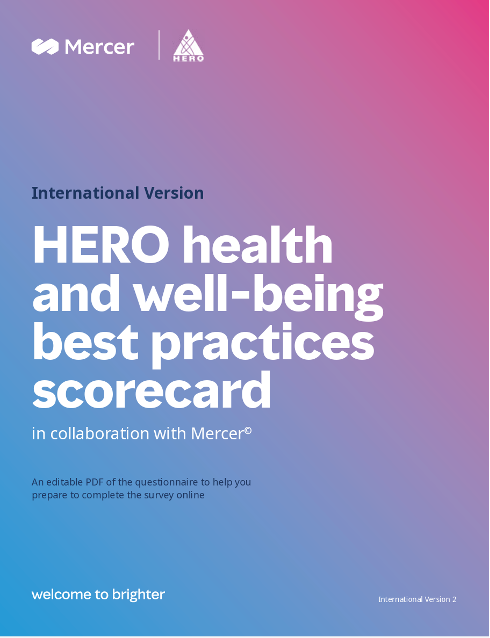
Employers need more than good intentions—they need evidence-based tools that show them where to start, how to prioritize investments, and how to measure success. That’s where the HERO HEALTH AND WELL-BEING BEST PRACTICES SCORECARD IN COLLABORATION WITH MERCER© (International HERO Scorecard) comes in.
Introducing the International HERO Scorecard
The HERO Scorecard has been guiding employers since its launch in 2006, with more than 3,000 organizations worldwide using it to evaluate and strengthen their health and well-being (HWB) strategies. Recognizing the global nature of today’s workforce, HERO now offers an International Version of the Scorecard, translated into 11 languages and tailored to organizations operating outside the United States.
This free, web-based resource provides a structured way for organizations to benchmark their current practices, identify opportunities for growth, and align investments in employee well-being with broader organizational goals. The Scorecard has been validated through research linking higher scores with stronger employee participation, healthier risk profiles, better medical cost trends, improved perceptions of employer support, and even stronger organizational financial performance.
What’s Inside the International HERO Scorecard?
The International HERO Scorecard covers the foundational elements that drive successful well-being programs, providing a comprehensive framework employers can use to strengthen their approach. The tool is divided into six core sections:
- Strategic Planning: How well is well-being embedded into the organization’s business goals?
- Organizational & Cultural Support: Does the company foster a culture that prioritizes health?
- Programs: What types of health and well-being offerings are available?
- Program Integration: How well are these programs aligned with other organizational initiatives?
- Participation Strategies: What approaches are being used to engage employees?
- Measurement & Evaluation: How is success being tracked and communicated?
In addition to these foundational areas, the HERO Scorecard also evaluates best practices across focus areas such as mental health and well-being, health equity, and social determinants of health (SDOH) —all pressing issues for today’s employers.
How to Access the International HERO Scorecard
Employers and other stakeholders can access the International HERO Scorecard for free through the HERO website. In addition to the Scorecard itself, HERO provides a range of supporting resources, including user guides, glossaries, sample reports, and progress reports that help organizations interpret and act on their results.
To get started, visit https://hero-health.org/scorecard. There, you’ll find links to the International Scorecard, user resources, and additional materials to help your organization turn insights into action.
Final Guidance
In an era when employee health and well-being are critical drivers of organizational success, tools like the International HERO Scorecard offer a roadmap for moving beyond good intentions to measurable impact. By leveraging this practical, research-backed resource, employers can make smarter investments that support healthier, more engaged, and more productive teams.
About the Developer of the Resource
The HERO Scorecard was developed by the Health Enhancement Research Organization (HERO), in collaboration with Mercer. HERO is a national nonprofit dedicated to identifying and sharing best practices in the field of workplace health and well-being (HWB). HERO was established in 1997 to conduct and share research, policy, leadership, and strategy to advance workplace HWB and provide leadership of the nation’s workforce.
**Disclaimer**
The Recommended Resources featured on this site represent recommendations from individual initiative members. The Global Wellness Institute and the Workplace Wellbeing Initiative are not responsible for the content provided. The views expressed are solely those of the authors and do not necessarily reflect an official endorsement of the resource by the Global Wellness Institute or the Workplace Wellbeing Initiative. Readers are encouraged to contact the organization that developed the Recommended Resource for more information.
The post Why Employers Need a Roadmap for Employee Health and Well-Being appeared first on Global Wellness Institute.
]]>The post Timeless Beauty: What Traditional Chinese Medicine Tells Us About Aging, Emotion and the Face appeared first on Global Wellness Institute.
]]>
For centuries, Traditional Chinese Medicine (TCM) has seen beauty not just as something visual, but as a reflection of your overall health, emotional balance, and inner vitality. Where many modern treatments target aging as a skin-deep issue—through injections, lasers or topical products—TCM views aging as a gradual change in the body’s energy systems, its vital essence (called jing), and in the shen, the spirit or emotional presence visible in your eyes and expression.
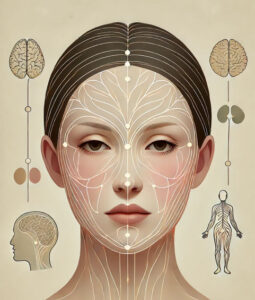
What if your face isn’t just something to treat, but a kind of map? What if it’s a sensitive interface between body, brain, and emotional life—showing us how we’re adapting over time?
As modern science begins to explore the brain-skin connection and how emotion is processed through the body, it becomes possible to rediscover ancient practices not just as rituals of beauty, but as tools for emotional regulation and nervous system care. We’ll explore how these systems intersect—and how integrating them might change the way we think about aging and beauty.
The Face as a Map: Ancient Wisdom
In Traditional Chinese Medicine, each part of the face is believed to be linked to an internal organ and its related emotional state. For example:
- The forehead reflects the Heart system, which governs mental clarity and presence
- The cheeks connect to the Lungs and the emotion of grief
- The chin relates to the Kidneys, willpower and fear
This is not metaphor. It’s a clinical tool in TCM diagnosis. Healers examine tone, puffiness, tension and lines as signs of how internal systems are functioning. A sagging jawline, for example, might suggest low Kidney energy; a deeply furrowed brow might reflect unresolved anger or stress affecting the Liver system.
Lillian Bridges, a leading interpreter of this wisdom, emphasized that these facial signs often appear long before symptoms show up elsewhere in the body. Importantly, this system doesn’t see aging as a flaw to fix. It reads the face as a living journal of your health history—revealing where your energy has flowed or stagnated over time.
Psychodermatology: Bridging Skin and Emotion
Modern dermatology is catching up to what TCM has long practiced: the skin and mind are deeply connected. The field of psychodermatology looks at how emotions like stress and trauma can trigger or worsen skin conditions such as eczema, acne, and psoriasis.
The reason lies in our shared biology. The skin and brain develop from the same tissue in the womb, and they stay connected through hormone systems, immune cells, and nerve pathways. The hypothalamic-pituitary-adrenal (HPA) axis, which manages your body’s stress response, can influence everything from inflammation to collagen production.
Too much stress increases cortisol, a hormone that weakens the skin’s barrier and speeds up visible aging. At the same time, inflammation in the skin can send distress signals back to the brain, reinforcing emotional symptoms. This creates a feedback loop between emotional and skin health.
Fortunately, the reverse is also true. Psychological support and stress reduction have been shown to improve skin conditions. And when people feel better about their skin, their mood often improves too.
Subcellular and Sensory Pathways in the Brain–Skin Axis
Emerging science on the skin-brain connection is showing just how deeply the body’s outer layer communicates with the nervous system. Skin cells called melanocytes—best known for producing pigment—also help regulate our internal clocks and influence immune and hormonal signaling. This means the skin is more than a barrier or cosmetic surface; it’s an active player in emotional and physiological balance.
When we apply touch, temperature changes, or movement to the skin—through massage, gua sha, or even a cool compress—we stimulate sensory nerves that send signals to the brain. These pathways influence how we feel, how we bond with others, and how our body manages stress. Some researchers are now exploring how these effects overlap with trauma-informed bodywork, suggesting that aesthetic practices may also play a role in emotional reset and nervous system healing.
Neurocosmesis: How Skincare Might Shift Mood and Stress
There’s a growing field related to neurocosmetics that explores how skincare might influence more than just appearance—it may also affect how we feel. The idea is simple but powerful: our skin is full of nerve endings and chemical messengers that talk to the brain. What we apply to the skin—through temperature, touch, or active ingredients—can send signals that help regulate mood, stress, and even hormone balance.
Some creams, for example, include natural compounds that mimic endorphins, your body’s feel-good chemicals. These products don’t just soften the skin—they may subtly lift emotional tone, especially when applied with calming touch or as part of a self-care ritual.
This might sound new, but it resonates with long-standing practices in Traditional Chinese Medicine. Gua sha, facial massage, and herbal compresses have long been used to soothe emotions, improve circulation, and regulate internal rhythms. Modern research is beginning to show how these rituals may activate nerve pathways that help calm the body’s stress response—just like some trauma-informed therapies aim to do today.
Even the skin’s microbiome and natural daily rhythms (what TCM might describe in terms of wei qi and seasonal flow) are now being studied for their role in emotional health. And herbs common in TCM—like ginseng or licorice root—are being looked at for their calming and balancing effects when applied topically.
In this light, skincare becomes more than cosmetic. It becomes a way of connecting with your own nervous system—a form of beauty that’s also about balance, sensation, and well-being.
TCM Interventions and Emotional Regulation
Traditional Chinese Medicine doesn’t aim to cover up skin symptoms—it aims to rebalance the systems beneath them. Acupuncture is a core technique. Points like Yin Tang (between the eyebrows) and Shen Men (in the ear) are traditionally used to calm the mind, ease anxiety, and improve sleep. Modern research now shows these points can affect measurable markers such as heart rate variability, cortisol levels, and activity in brain regions related to emotion.
Facial acupuncture, often dismissed as a vanity treatment, actually stimulates facial nerves and blood flow in ways that also influence mood. Some points link to branches of the trigeminal nerve, which connects to brain regions involved in emotional processing.
Herbal medicine also plays a key role. Calming herbs like Suan Zao Ren (Ziziphus), He Huan Pi (Albizia), and Bai Zi Ren (Biota) are used in formulas to support sleep, ease worry, and nourish the spirit.
One of TCM’s core insights is that the face can’t be treated in isolation. As Dr. Ping Zhang teaches, facial rejuvenation depends on the health of the whole body: digestive function, blood flow, emotional stability, and hormonal balance. When those improve, beauty emerges naturally.
Neuroplasticity in Aesthetic Wellness
Modern neuroscience is uncovering how the brain changes in response to sensory experience—a property known as neuroplasticity. Emotional regulation, once thought to be a fixed trait, is now understood as something trainable over time.
This raises a question: Can aesthetic treatments influence this plasticity? While we don’t yet know if facial procedures directly reshape the brain, there is growing evidence that they can affect emotional tone and how people perceive themselves.
Take facial expression: The “facial feedback hypothesis” suggests that expressions don’t just reflect mood—they help shape it. Studies show that people who receive Botox in the frown muscles often have reduced amygdala activity (the brain’s fear center) when shown negative images. This doesn’t mean Botox is therapy, but it suggests the brain responds to changes in expression in real time.
Similarly, practices like facial massage, gua sha, and jade rolling stimulate sensory nerves that influence the vagus nerve (a major pathway for regulating stress and emotion), the hypothalamus (which controls hormones), and limbic system (which processes emotions). These are the same pathways used in trauma-informed somatic therapy.
When practiced regularly and with intention, these treatments may help recalibrate emotional circuits, especially in people whose nervous systems are stuck in patterns of stress.
Where Ancient and Modern Meet
TCM’s concept of shen (spirit) finds parallels in modern ideas about consciousness, emotion regulation, and what scientists call the “social brain.” These aren’t rival frameworks—they are different languages describing similar ideas.
Both traditions recognize that how we look and how we feel are linked in deep ways. And both suggest that caring for the face can be part of caring for the self—not in a superficial way, but in a way that helps us feel more balanced, expressive, and at ease.
Emerging research hints at a broader model: one where beauty is understood as part of adaptation and resilience, not just something to be preserved or restored. A face that ages gracefully may be one that reflects emotional maturity, nervous system flexibility, and a sense of integration.
Call to Action
It’s time to move beyond the binary that beauty is either something frivolous or something to medically correct. In its highest form, beauty care is about revealing who we are becoming. When we treat the face as an expressive, emotional, and sensory interface—not just a surface to be fixed—we open the door to deeper well-being.
Aesthetic health can be a vital sign of emotional health. When beauty practices are informed by both ancient wisdom and modern science, they become more than cosmetic. They become healing.
Let beauty be not a mask, but a method—not a correction, but a care practice. The wisdom is ancient. The science is catching up.
References:
- Haykal D, Berardesca E, Kabashima K, Dréno B. Beyond beauty: Neurocosmetics, the Skin–Brain Axis, And The Future Of Emotionally Intelligent Skincare. Clinics in Dermatology. 2025; Available May 2025. https://www.sciencedirect.com/science/article/pii/S0738081X25001427?ref=pdf_download&fr=RR-2&rr=94dc4026583c4338
- Dirk Roosterman, Tobias Goerge, Stefan W. Schneider, Nigel W. Bunnett, and Martin Steinhoff. Neuronal Control of Skin Function: the Skin as a Neuroimmunoendocrine Organ. Physiol Rev. 2006;86(4):1309-1379. https://journals.physiology.org/doi/full/10.1152/physrev.00026.2005?rfr_dat=cr_pub++0pubmed&url_ver=Z39.88-2003&rfr_id=ori:rid:crossref.org
- Siyi Yu, Vitaly Napadow, Ted J. Kaptchuk et al. Acupuncture Treatment Modulates the Connectivity of Key Regions of the Descending Pain Modulation and Reward Systems in Patients with Chronic Low Back Pain. J. Clin. Med. 2020, 9(6), 1719; https://doi.org/10.3390/jcm9061719
- Sun JZ, Ma YL, Lin ZG, et al. The Impact Of Acupuncture On Neuroplasticity After Ischemic Stroke: A Literature Review And Future Directions. Front. Cell. Neurosci. 2022; 16. https://pmc.ncbi.nlm.nih.gov/articles/PMC9685811/pdf/fncel-16-817732.pdf https://www.frontiersin.org/journals/cellular-neuroscience/articles/10.3389/fncel.2022.817732/full
- Finzi E, Rosenthal NE. Treatment Of Depression With Onabotulinumtoxina: A Randomized, Double-Blind, Placebo Controlled Trial. J Psychiatr Res. 2014;52:1-6. https://pubmed.ncbi.nlm.nih.gov/24345483/
- Hennenlotter A, Dresel C, Castrop F, et al. The Link Between Facial Feedback And Neural Activity Within Central Circuitries Of Emotion–New Insights From Botulinum Toxin-Induced Denervation Of Frown Muscles. Cereb Cortex. 2009;19(3):537-542. https://pubmed.ncbi.nlm.nih.gov/18562330/
- Chatterjee A. Neuroaesthetics: a coming of age story. J Cogn Neurosci. 2011;23(1):53–62. https://direct.mit.edu/jocn/article/23/1/53/4981/Neuroaesthetics-A-Coming-of-Age-Story
- Chatterjee A, Vartanian O. Neuroaesthetics. Trends Cogn Sci. 2014;18(7):370–375. https://pubmed.ncbi.nlm.nih.gov/24768244/
- Chatterjee A. The Aesthetic Brain: How We Evolved to Desire Beauty and Enjoy Art. Oxford University Press; 2015.
- Duarte M, et al. Exploring the interplay between stress mediators and skin microbiota in shaping age-related hallmarks: A review . Mechanisms of Ageing and Development. https://doi.org/10.1016/j.mad.2024.111956
- Bridges LP. Face Reading in Chinese Medicine. 2nd ed. Churchill Livingstone; 2012.
- Zhang P. A Comprehensive Handbook for Traditional Chinese Medicine Facial Rejuvenation. Nefeli Press; 2006.
Lynnea Villanova MD is a senior integrative physician with over 30 years of clinical experience in Chinese herbal medicine, neurological scalp acupuncture, and complex chronic disease care. A former Physician Advisor to the North Carolina Acupuncture Licensing Board, she has helped shape clinical and regulatory standards in integrative medicine. Dr. Villanova has led multidisciplinary medical practices across specialties including women’s health, aesthetics, and neurorehabilitation, and has served on the faculty of New York Presbyterian and lectured at UNC School of Medicine. Her interdisciplinary research at the intersection of neuroscience and healing informs her immersive media works exploring brain plasticity and recovery, including Projection Booth, presented at the BrainMind Summit, and Forms of Fire, a theatrical collaboration supported by NYU, Mabou Mines, and the Romanian Cultural Institute.
The post Timeless Beauty: What Traditional Chinese Medicine Tells Us About Aging, Emotion and the Face appeared first on Global Wellness Institute.
]]>