The post Wellness Tourism Initiative Trends for 2026 appeared first on Global Wellness Institute.
]]>2026 Trends

Initiative Chair: Katherine Droga, Founder, Well Traveller + Well Traveller TV, Wellness Tourism Summit, Droga & co., Australia
Initiative Vice-Chair: Lindsay Madden-Nadeau, Senior Director Wellness Strategy – Development, Meraki Bespoke Wellness Strategies, Global Head of Wellbeing – Accor Luxury Brands, France

TREND 1: Cocooning Wellness
As global uncertainty continues to shape how we travel, many wellness seekers are turning inward, choosing restorative escapes closer to home for much needed nervous system resets.
Short flights, easy-drive journeys and regional retreats are replacing long-haul trips, offering reassurance and simplicity, while still delivering meaningful and much needed wellbeing.
These “cocooning” wellness trips allow travellers to step away from daily pressures and reconnect with nature without the complexity of global travel. From countryside retreats to coastal sanctuaries and nearby nature escapes, travellers are prioritizing simplicity, safety and emotional restoration.
The result is a form of travel that feels protective and nurturing—wellness journeys that wrap around us like a cocoon when the world feels uncertain.
Example:
- NSW South Coast Wellness Experiences https://www.welltraveller.com.au/destinations/new-south-wales/south-coast
TREND 2: Urban Recovery Travel
City-based travellers want short, clinical-grade recovery without a long journey—less about “detox” claims and more about reducing load: sleep debt, inflammation, stress, pollution exposure and tight bodies.
The scalable format is 48–72-hour urban micro breaks combining recovery technology, movement, nutrition and calm. Biohacking has moved from niche to mainstream motivation, with travellers choosing destinations for diagnostics, recovery technologies and longevity protocols packaged with hospitality-level comfort and design. Some examples include performance-led recovery menus at city wellness clubs/hotels and short “urban renewal” retreat models in Bangkok, New York City and London.
This evolution is transforming cities into accessible wellness hubs where travellers can experience meaningful recovery with easy access to all they need.
Example:
- RAKxa Integrative Wellness Bangkok https://rakxawellness.com/programme/
TREND 3: Destination-Scale Wellness
Wellness tourism is increasingly being enabled by policy and planned at destination scale. Governments, tourism boards and investors are recognizing the economic and social value of wellness tourism and are developing infrastructure that supports wellbeing at a regional level.
Walkable environments, nature protection, thermal bathing traditions, outdoor recreation and year-round wellbeing programming are becoming part of destination strategy rather than simply hotel amenities.
This approach reflects a growing understanding that wellness tourism can enhance both visitor experiences and community wellbeing.
Example:
- AMAALA Wellness Destination Development https://www.redseaglobal.com/en/our-destinations/amaala/
TREND 4: The Rise of Heat Rituals
Traditional bathing cultures are experiencing a renaissance. Sauna is becoming an event featuring guided ceremonies, music, scent, craft and shared etiquette, turning heat bathing into a social ritual with real emotional payoff. The destination opportunity is public-facing thermal culture that’s inclusive, repeatable and programmatic, designed as an accessible “third space,” not a niche luxury add-on. This can scale through scheduled rounds, rotating hosts/ritual leaders, and culturally rooted storytelling that makes the ritual feel meaningful rather than performative.
Example:
- Finnish Sauna Culture (UNESCO cultural heritage) https://ich.unesco.org/en/RL/sauna-culture-in-finland-01596
TREND 5: The Demand for Cool Climate Travel
As global temperatures rise and peak seasons feel draining, travellers are shifting towards cooler travel times and destinations where the environment supports vitality.
It is about climate, crowding and comfort considerations—fresh air quality, sunlight and opportunities for outdoor movement without exhaustion.
The demand is also creating new “wellness windows” across the year, where destinations are embracing off-peak months as the optimal time to visit for wellbeing.
Example:
- Swiss Alpine Wellness Destinations https://www.myswitzerland.com/en-au/planning/about-switzerland/sustainability/sustainable-activities/sustainable-winter-activities/wellness-with-a-clear-conscience/
TREND 6: The Nervous System Reset
Wellness travel is increasingly shifting from performance-driven wellness toward nervous system regulation. After years of overstimulation, stress and digital overload, travellers are seeking experiences that help the body slow down and recover rather than push harder.
Retreats and destinations are responding with programs built around breathwork, slow movement, mindfulness, sound therapy and nature immersion—practices designed to move the body out of a constant “fight or flight” state. Quiet environments, gentle daily rhythms and digital disconnection.
As travellers seek ways to recover from modern lifestyles, wellness journeys that support nervous system balance are becoming essential tools of travel.
Example:
TREND 7: The Luxury of Privacy
Privacy is becoming the new status signal. It is less about public “wellness theatre” and more about space, quiet and discretion as travellers experience social media fatigue and a desire to disconnect.
Consumers are prioritizing low-density environments, limited-access settings and experiences that don’t feel crowded or overexposed. This is encouraging destinations and operators to design retreats where space, calm and thoughtful service are central to the guest experience.
The result is a new form of luxury defined not by opulence but by quiet, space and the ability to disconnect.
Example:
- Amangiri Desert Retreat Experience https://www.aman.com/resorts/amangiri/experience
TREND 8: The Rise of AI-Designed Wellness Travel
Travellers are moving away from one-size wellness and toward journeys that feel made for them, where pacing, treatments, activities and cultural moments match their goals, interests and energy levels.
AI-enabled itinerary design and guest profiling are allowing destinations and wellness providers to create highly personalized travel experiences that evolve throughout a stay. For travellers, this reduces decision fatigue while improving the flow and relevance of their wellness journey.
This shift signals the beginning of a new era where technology helps create wellness experiences that feel deeply personal.
Example:
- Mindtrip AI Itinerary Planning Platform https://www.mindtrip.ai/product
TREND 9: In Search of Deep Rest
Travellers are increasingly in search of sleep, and wellness travel is responding with sleep- and rhythm-led restoration where the destination itself becomes the intervention.
Dark skies, low noise, dawn/dusk programming and low-stimulus design are engineered to reset circadian timing and deliver measurable recovery. Think lighting, temperature, sound frequency and more.
Proof points include sleep-focused programming which has been trending for a long time with the addition of nature-integrated sleep environments, plus water/mineral bathing circuits that turn protected natural assets into signature wellbeing circuits. Incorporated into this travel trend are Blue Zone travel programs: travellers are choosing locations that embody Blue Zone rituals of life.
Examples:
- Kamalaya Wellness Sanctuary https://kamalaya.com/sleep-enhancement-wellness-program/
- Blue Zone Travel https://www.bluezones.com/exploration/
TREND 10: Longevity Travel – Credibility Matters
Today’s guests are highly informed, wellness claims are easy to research and hype is easy to spot. As a result, travellers are gravitating toward trusted, science-backed programs where they can immerse themselves for wellness stays, build habits that fit their biology and return home with a clear plan to continue. The market may be chasing “longevity,” but the real demand signal is credibility and capability in one place: evidence-led protocols, the right clinical and recovery infrastructure, and an ongoing link to care beyond the stay through follow-ups, coaching and simple take home plans. The demand is less “anti-aging” and more health span: feeling stronger for longer.
Example:
- SHA Wellness Clinic Medical Programs https://shawellness.com/en/
The post Wellness Tourism Initiative Trends for 2026 appeared first on Global Wellness Institute.
]]>The post Aesthetic Health Initiative Trends for 2026 appeared first on Global Wellness Institute.
]]>2026 Trends
Aesthetic health continues to evolve as a key pillar of modern wellbeing. Simply stated, it is the art and science of understanding how the signs and symptoms of beauty impact our lives. The term “aesthetic” is defined as the philosophy of beauty, and so it makes sense that today’s definition is more of an umbrella term and continues to expand. As we review the trends in beauty and health, the focus ties in with the general population’s goals to live healthier overall, be attractive (as one may define it) and live a long life. Evidence continues to mount proving that there is no separation between health and appearance. Aesthetic health has been tied to humans since primitive times. Better teeth, clear skin, beautiful hair and a healthy body have always represented one’s ability to continue strong family lines, and to ensure longevity, which has been a constant quest of mankind. Embracing the influence of beauty on our brains and how that ties into our overall health will take us to new heights in understanding aesthetic health.

Driven by advances in science, technology and education, the leading aesthetic health trends for 2026 highlight a future shaped by innovation, evidence-based practice and increasing accessibility, as patients seek personalized solutions that deliver natural, lasting results to support long term health and preventative care.
TREND 1: The Basic Science of Neuroaesthetics Is Evolving to Ask Questions Beyond Beauty
The reward system is deeply involved in aesthetic appreciation. The ventral striatum, including the nucleus accumbens, shows increased activity for pleasing and preferred objects. This reward circuitry, which normally releases dopamine and endogenous cannabinoids and opioids for biologically significant pleasures, is activated by beautiful faces, artwork, music and even pleasing architectural spaces. However, aesthetics often goes beyond pleasure and liking, and incorporates nuanced emotions. In some instances, negative emotions can contribute to powerful aesthetic experiences, like a sense of anxiety embedded in the experience of awe. Researchers in the US and Europe are uncovering a more complex cocktail of emotions experienced in aesthetic encounters.
The rise in neurocosmetics and the mind-skin connection will bring forward compounds that interact with the skin’s receptors to positively affect emotional states and link psychological health and skincare. This will support the expanding wellness industry by furthering emotional wellbeing and stress reduction, encouraging more businesses to draw on all five senses and produce services and products that customers look forward to buy and consume.
Resources:
- Menninghaus, W., Wagner, V., Wassiliwizky, E., Schindler, I., Hanich, J., Jacobsen, T., & Koelsch, S. (2019). What are aesthetic emotions?. Psychological review, 126(2), 171.
- Fingerhut, J., & Prinz, J. J. (2020). Aesthetic emotions reconsidered. The Monist, 103(2), 223-239.
- Christensen, A. P., Cardillo, E. R., & Chatterjee, A. (2023). What kind of impacts can artwork have on viewers? Establishing a taxonomy for aesthetic impacts. British journal of psychology, 114(2), 335-351.
- Stamkou, E., Keltner, D., Corona, R., Aksoy, E., & Cowen, A. S. (2024). Emotional palette: a computational mapping of aesthetic experiences evoked by visual art. Scientific Reports, 14(1), 19932.
TREND 2: Longevity Aesthetics
Longevity aesthetics is one of the biggest shifts we will see advancing in beauty and health. Instead of trying to “reverse ageing” the focus is shifting towards optimizing biological age and long term health. More brands will begin to offer treatments that improve sleep, recovery, stress resilience and cellular repair, like NAD+ therapy and cellular repair treatments.
Traditional beauty and aesthetics treated wrinkles or sagging skin as cosmetic problems. Longevity aesthetics asks a different question: How old are your cells biologically?
Skin is increasingly viewed as a window into internal health. As a result, services in this area will combine dermatology, nutrition, hormone optimization and metabolic testing.
Future longevity aesthetics will use biological data to guide treatments. Epigenetic age testing, microbiome analysis and wearable health monitors will all be used to treat collagen breakdown, inflammation markers, oxidative stress and hydration levels. The future will be more about looking young through improved health than relying on procedures to hide ageing.
Resource:
- Longevity cosmeceuticals as the next frontier in cosmetic innovation //pmc.ncbi.nlm.nih.gov/articles/PMC12137348/
TREND 3: Psycho-Dermatology – Exploring the Brain/Body Connection and Its Effect on Our Health and Appearance
The link between our mental and physical states and their impact on our skin’s condition and our general health and wellbeing continues to gain momentum. The next chapter of wellness for aesthetic health will be the mind-body beauty connection where mental wellbeing and physical health are more intertwined. The acceleration of the mind/body connection will encourage more brands, spa operators and wellness professionals to enhance the wellness journey with neuro cosmetics, incorporating stress relieving techniques, healing practices and revised routines to accelerate this understanding. People will be willing to pay more for products with mood boosting qualities. Looking good makes people feel more confident and maintaining good mental wellbeing is key to overall wellbeing.
Our current circumstances continue to bring these ideas to light, and beauty presents an opportunity to improve and target this space with new innovations like edible and drinkable products, biometric screening in spa and wellness settings, skin immunity and wider emphasis on integrative wellbeing. Integrative medicine practitioners will be aware of the role that stress plays in disease, and we will continue to see medical and wellness approaches come together to manage stress and prevent skin conditions like acne, rosacea and premature aging.
*Did you know that the brain and skin have the same embryonic origin? Skin and brain form at the same time on day 21 of the embryo, with the outermost part of the embryo – the ectoblast – giving rise to the nervous system and the epidermis. Your skin is therefore a sort of extension of the brain. Its nerve architecture is extremely complex, with no less than 800,000 neurons, 11 meters of nerves and around 200 sensory receptors per cm3. This connection makes it impossible to dissociate the psychic realities that each of us undergoes on a daily basis from the physical ones concerning our skin.
Resource:
- *Prof. Laurent Misery, Head of the Department of Dermatology at the University Hospital of Brest, France
TREND 4: Regenerative Aesthetic Medicine
Sound science and data-backed products and services are not just hoped for by consumers, they are expected. A huge trend is regenerative treatments that repair tissues instead of temporarily filling or freezing them.
The microbiome remains an important focus, and soon we will see a new generation of regenerative biotherapeutics featuring bioactive proteins, growth factors and nucleic acids taking center stage for skin and hair rejuvenation. Exosomes can provide similar benefits to stem cell therapy without many of the unwanted side effects and polynucleotides help improve the skin tissues on a cellular level. Rather than introducing new ingredients, hi-tech performing cosmetic brands will focus on advanced delivery systems for optimum efficacy and outcomes, bringing forth new ways to innovate legacy ingredients and equipment. We will also see tissue regeneration instead of botox style correction, with an emphasis on long term structural improvements
*The field of aesthetic health, particularly in medical aesthetics, has been experiencing significant trends and advancements. There’s a growing preference for less invasive treatments that offer minimal discomfort and require little to no downtime. This trend reflects a shift towards procedures that can be done quickly, often in an outpatient setting, with rapid recovery times. This is driven by factors such as advancements in technology, growing awareness about aesthetic treatments, and an ageing population seeking anti-aging solutions.
Resource:
- *Prof Patrick Treacy Medical Director Ailesbury Clinics MICGP, MBCAM, H. Dip Dermatology, DRCOG, DCH, LRCSI, DTM MB BCh
TREND 5: Hyper-Personalized Aesthetics Using AI and Biomarkers with an integrative approach to singular issues
Technology will allow personalized treatments tailored to an individual’s biology, genetics and lifestyle using AI skin diagnosis, DNA-based skincare, predictive ageing models and real time. Skin and hair will become biomarkers of overall health, linking beauty directly to medical diagnostics.
As the concept of wellness evolves into a whole-person approach to health, 2026 will continue to see an increasing trend where specific issues are addressed through multiple modalities. Take skin health, for example. Instead of solely relying on specific skincare treatments for physical concerns, holistic approaches that incorporate aspects like diet, sleep and mental health will become a standard part of the wellness examination. Addressing aesthetics will involve an approach that encompasses the mind, body and spirit, linking the concept of improving appearance to enhancing overall wellbeing. Similarly, physical products that extend benefits to mental states will gain heightened attention. For instance, food and beverages with ingredients beneficial for digestion that also enhance mood, and cosmetics that not only improve physical appearance but also aim to boost self-confidence and nurture self-care will continue to spotlight the expansion from traditional aesthetics to encompass elevated mental states.
TREND 6: Traditional Ingredients Paired with Innovation
Consumers want innovations, but they also increasingly want the familiar effectiveness of the ingredients and practices they have come to trust over time. In 2026, we will continue to see more products and lifestyle management approaches inspired by traditional practices like Ayurveda, homeopathy, traditional Chinese medicine and Amazonian customs.
Products will blend herbal and plant medicine with modern science, offering solutions that address physical, mental and spiritual wellbeing. By blending time-honored knowledge with contemporary research and technology, brands will be able to deliver more holistic and trusted results. This trend represents the fusion of ancient wisdom and modern science, offering consumers a balanced approach to beauty, health and wellness that feels both innovative and reassuringly familiar.
Resources:
- Eating for Wellness Will Be a Lot Simpler—And More Celebratory—In 2024: https://www.wellandgood.com/wellness-minded-food-brands/
- Beauty + Wellness Category Expands Market by 45% Determines NIQ Report, Dec. 13, 2023: https://www.cosmeticsdesign.com/Article/2023/12/13/Beauty-Wellness-category-expands-market-by-45-determines-NIQ-report
- Formulation Trends Driving Feel-Good Products in Self-Care Rituals: https://beautymatter.com/articles/formulation-trends-driving-feel-good-products-in-self-care-rituals
- Cosmetics Business reveals the top 5 ‘Ancient Beauty’ trends of 2024 in new report: https://cosmeticsbusiness.com/cosmetics-business-reveals-the-top-5-ancient-beauty
- Integrative approach to lifestyle management: Implications for public health research & practice in the context of SDG-3: https://www.ncbi.nlm.nih.gov/pmc/articles/PMC10692374/
The post Aesthetic Health Initiative Trends for 2026 appeared first on Global Wellness Institute.
]]>The post Microplastics Watch Initiative appeared first on Global Wellness Institute.
]]>The Microplastics Watch Initiative is a targeted, time-bound effort to mobilise the global wellness industry around one of the most urgent human health challenges of our time. Microplastics now permeate every aspect of daily life — from the food we consume to the air we breathe — yet their impact on human wellbeing remains largely ignored. This Initiative aims to change that. By raising awareness, sharing the latest wellness-relevant research, and providing a practical framework for action built around four key pillars — prevention, reduction, detoxification strategies and integration into wellness programming — the Initiative aims to empower individuals, businesses and other GWI Initiatives to recognise and respond to this emerging crisis. Ultimately, Microplastics Watch is about transforming concern into collective action, ensuring the wellness industry fulfils its role in protecting and promoting human health in a world increasingly contaminated by microplastics. Connect with us on LinkedIn.
The Latest News and Resources
Initiative Leadership
Initiative Co-Chair
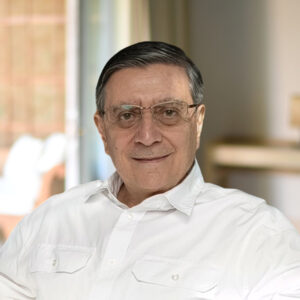
Professor Gerry Bodeker, Member at Green Templeton College, University of Oxford, UK and Malaysia
A Harvard-trained public health academic, Prof. Gerry Bodeker researches and advises on integrative medicine and wellness. Gerry has researched and taught in medical sciences at Oxford University for two decades and is a member of Oxford’s Green Templeton College. He is an adjunct professor at Columbia University and at the University of Western Sydney and has worked with several UN organizations, including the World Health Organization. He is a Fellow of the International Union of Pure and Applied Chemistry. Gerry has served as an advisor to National Geographic Magazine and as Senior Consultant to CNN’s series ‘Chasing Life’. He is Founding Chair of the Mental Wellness Initiative of the Global Wellness Institute (GWI) and the recipient of the GWI’s Deborah Simon Award for Advancing Mental Wellness. Connect with us on LinkedIn.
Initiative Co-Chair
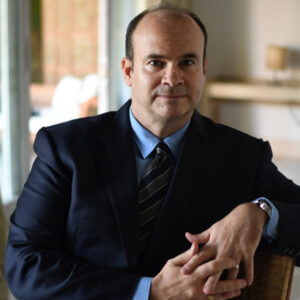
Trent Munday, Senior Vice President, Mandara Spa, Thailand
Trent Munday is a seasoned executive in the global wellness industry and currently serves as Senior Vice President of Mandara Spa, a division of OneSpaWorld (Nasdaq: OSW) a worldwide provider and innovator in the fields of wellness, beauty, rejuvenation and transformation across the globe. With over 30 years of experience across more than 30 countries, Trent’s background spans both wellness and hotel operations, including leadership roles with renowned hospitality brands such as Six Senses and COMO Hotels & Resorts, where he was the opening General Manager of Uma Ubud in Bali. Trent has written extensively for numerous hospitality, spa and wellness publications and is also the host of over 1,500 podcast episodes. Connect with me on LinkedIn.
Initiative Members

Meet the renowned thought leaders in this field who are collaborating to educate and evolve wellness in this area of global importance.
Resources

View the research, trends, whitepapers, infographics and more from this Initiative, as well as a curated list of third party resources.
VIEW RESOURCES

The post Microplastics Watch Initiative appeared first on Global Wellness Institute.
]]>The post Music for Health and Wellbeing Initiative Trends appeared first on Global Wellness Institute.
]]>2025 Trends

TREND 1: Increasing Public Awareness of Music as a Tool to Support Health and Wellbeing
TREND 2: Growing Awareness of Musicians’ Health and Wellbeing
TREND 3: Creativity as a Mental Wellness Booster
TREND 4: Digital Technology as a Tool to Deliver Music and Wellness Experiences
TREND 5: Geographic Spotlight – London
2025 Initiative Micro-Trends Report
The Global Wellness Institute serves as an umbrella organization for numerous Initiatives, that are independently chaired and run. The resources, editorial, research and opinions presented by the Initiatives do not necessarily reflect the opinions of the Global Wellness Institute.
The post Music for Health and Wellbeing Initiative Trends appeared first on Global Wellness Institute.
]]>The post Consulting Best Practices Initiative Trends for 2025 appeared first on Global Wellness Institute.
]]>
Consulting Best Practices Initiative
2025 Trends
The wellness industry continues to evolve rapidly, driving significant trends that shape business strategies and consumer expectations. The following trends identified by the Consulting Initiative highlight key considerations for wellness industry stakeholders aiming to remain competitive and innovative.

TREND 1: Pressure to be First Requires Expertise
The wellness industry is getting so much attention, especially with a renewed focus on hydrothermal and bathhouse components and a growing desire to explore longevity and recovery experiences. However, many of these concepts have not been tested over time, and thus, the ROI is not easily forecasted. Sometimes, there is a reason no one else has opened the type of business that is envisioned in a particular location!
With an industry rapidly growing, as wellness becomes more transversal, there is pressure to be the first to “slap” wellness onto each concept or company. While modern technologies and approaches show great promise, as consultants, we sometimes see the need to balance moderation and risk management against the entrepreneurial spirit. This becomes especially apparent in the spa design phase. The number of treatment rooms, treadmills, pool seating, lounge seating, and sizes of all thermal areas are predicated upon careful calculations about the market. It’s not as simple as X treatment rooms per X guest rooms!
TREND 2: The Rise of Recovery-Focused Wellness
The topic of wellness in spas is becoming increasingly diverse and multidimensional. In addition to physical relaxation and mental wellness, spiritual and social aspects also make their way onto customers’ wish lists. The concept of recovery is set to become a major focus in the spa industry over the next few years. Traditionally associated with elite athletes, recovery is now recognized as essential for everyone, whether the goal is easing muscle fatigue, managing work-related stress, or simply resetting the body and mind. Spas that currently specialize in relaxation and pampering can seamlessly integrate recovery-based treatments, offering guests more purposeful and results-driven experiences while positively impacting labor costs. However, many spa operators feel overwhelmed by this shift, as they have never considered these dimensions before and often lack the right concept and personnel to meet these new demands. Successfully making this shift in the business model requires forethought and planning on managing design, operational, and human resource impacts.
TREND 3: One Size Doesn’t Fit All
Spas and wellness establishments are fun to visit, and many prospective owners have visited a facility, fallen in love with it, and chosen to open one “just like X.” However, even with the proliferation of spas and the current high demand, opening something “just like X” dilutes the market for everyone and makes the experience more commoditized. If you invest the necessary dollars in a new business, create something that is simply different, or unique enough to stand out from the rest, and doesn’t risk losing market share to faceless competition.
The future of spas lies in redefining their identity. The structure of hotels and day spas has remained largely unchanged while consumer expectations have evolved dramatically. The next wave of spa innovation will embrace uniqueness—tailoring environments, services, and experiences to the specific needs of their local market. In order to create more personalized and meaningful wellness experiences, no two spas should look or feel the same.
However, we are seeing consultants hired as “fixers” to help with components provided by the previous “spa consultant.” Often, these are not even real spa consultants, or professional spa operations experts, but simply “expert spa guests” that talk ownership into letting them consult about what their establishment needs! As we continue to enter uncharted territory with rapidly evolving technology, there is a greater need to draw the right expertise to avoid costly mistakes further down the road.
TREND 4: Wellness Accessibility on Multiple Levels
We are talking about the literal meaning of accessibility and inclusivity. From a physical standpoint, advances in equipment and technology translate in an increasing number of clients with limited mobility desiring to access our wellness facilities, and a growing demand to make these services more accessible to them. Additionally, an appropriate marketing plan is key to ensuring that potential clients understand they are able/encouraged to visit your spa.
This is particularly important in hotel and resort spas, where local residents are often more than welcome however not always aware of it. On the other hand, sometimes locals may desire to access the spa, but are not “allowed.” This means the business depends entirely on the travel market cycles and other external forces. If a property does not welcome non-guests, or non-members, it may hamper the ability of the business to sustain growth for the long term.
Accessibility also applies to pricing. If we want to continue growing our industry, we have to ensure that offerings are available not just to wealthy individuals but also to those with lower incomes or “spa newbies,” who are not yet sure whether a spa visit or treatment is the right fit for them. Dynamic pricing, a key aspect of revenue management, is a hot topic.
One of the biggest challenges facing the spa industry is ensuring long-term sustainability. The old belief that simply opening a spa guarantees success is no longer viable. Today, spas must develop business models that attract clients and support long-term growth. This means a strategic approach to pricing, service offerings, and customer engagement to create a thriving, future-proof business.
TREND 5: AI Doesn’t Solve Everything
Even though AI makes it simple to create protocols, business plans, and job descriptions oriented to the spa and wellness industry, these still tend to be very surface-oriented, neglecting to address some of the major challenges that may arise in our labor pool, or are specific to our industry. There is nothing like the expertise of a live human when you need to get something right the first time. And, of course, AI tells you what has been done, not what is possible, and does not produce the oft-required creative solutions to the challenges of opening and operating a people-intensive business.
AI is a supportive tool, not a replacement for intuition and understanding. It may be able to prescribe, consult, book, and recommend, but it is no substitute for a skilled therapist’s wisdom, experience, and personal connection. The more the world becomes robotic, and the more limited human contact is, the more in demand the human touch will become, and human expertise will remain at the heart of the client experience.
The post Consulting Best Practices Initiative Trends for 2025 appeared first on Global Wellness Institute.
]]>The post 2025 Wellness Real Estate & Communities Symposium Speakers appeared first on Global Wellness Institute.
]]>Wellness Real Estate & Communities
2025 Speakers
From top developers expanding the boundaries of real estate to legendary architects to innovators of new standards and technologies, the speakers at the 2025 Wellness Real Estate & Communities Symposium represent the top minds shaping the future of this exploding sector. Join us for this unique opportunity to learn from and network with the top executives, developers, designers, policymakers, consultants and visionaries leveraging wellness to increase value in real estate.

Nerio Alessandri
Founder, President, Technogym, Italy
In 1983, at just 22 years old, Nerio Alessandri founded Technogym in his home garage by combining his passion for innovation (TECHNO) and that for sport (GYM). In the early 1990s Alessandri coined the concept of Wellness, a lifestyle that aims to improve the quality of life thanks to regular physical activity, a healthy diet and a positive mental attitude. Today Technogym is a world-leading brand in products and digital technologies for fitness, sport and health and is present in 100 thousand wellness centers and 500 thousand private homes in over 120 countries. Technogym has been the Official Supplier of the Olympic Games for over 20 years. In addition to Technogym, Nerio Alessandri also created the Wellness Foundation, a non-profit organization aimed at promoting wellness as a social opportunity for all stakeholders: Governments, Businesses and Citizens.
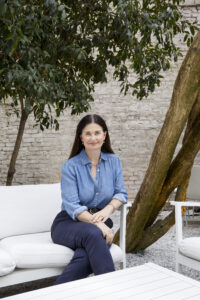
Lynette Brubaker
Founder & CEO, LHB Group, United States
After 15+ years in the media industry as the publisher of both WWD and In Style Magazine, Lynette Harrison-Brubaker launched her boutique marketing and communications company LHB Group in 2018. The company has attracted a diverse portfolio of brands and executives who have enlisted Lynette to successfully launch or pivot in a rapidly changing business environment. Clients include makeup mogul Bobbi Brown and her brand, Jones Road; retail legend Mickey Drexler; and Michelin Star chef Missy Robbins.
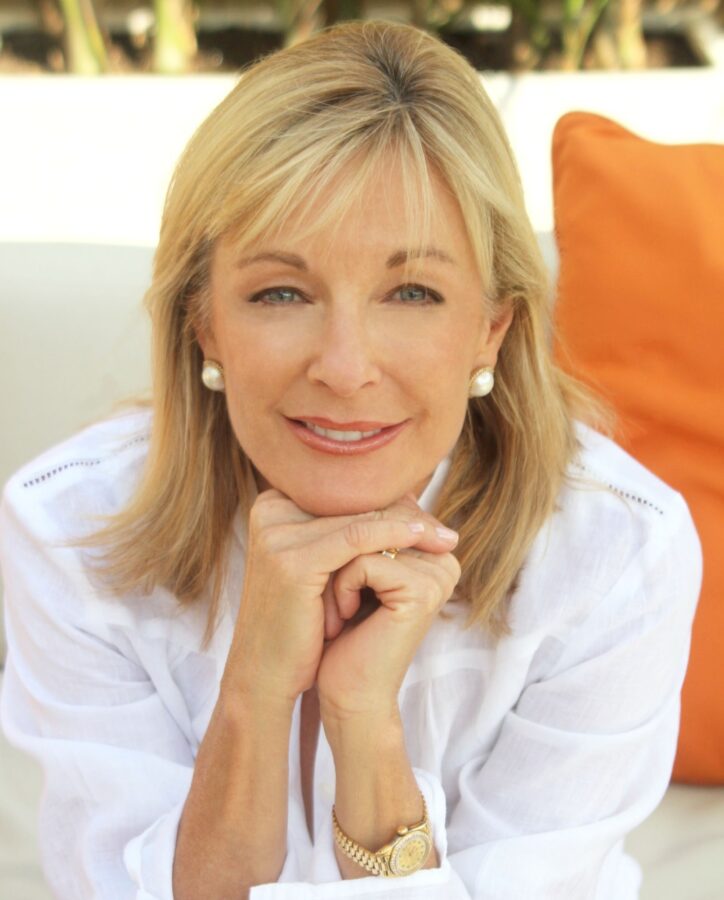
Susie Ellis
Chair & CEO, Global Wellness Summit & Global Wellness Institute, United States
Susie Ellis is the founder, chair and CEO of the Global Wellness Summit and chairman and CEO of the Global Wellness Institute, the nonprofit research and educational resource for the global wellness industry. Recognized as an authority on wellness trends, Susie is frequently quoted in major news outlets around the world. She holds an MBA from the University of California, Los Angeles, and is a popular speaker at industry events.

Jonathan Emery
CEO, Aldar Development, United Arab Emirates
Jonathan Emery is CEO of Aldar Development, leading projects across the UAE, Egypt, and the UK. With over 30 years in global real estate, he’s held senior roles at Lendlease, Hammerson Plc, and Majid Al Futtaim. Known for driving digital innovation and wellness-focused design, he advises proptech startups and sits on boards including London Square and Sodic. A graduate of Nottingham Trent, with executive training from Harvard, INSEAD, and Henley, he’s also been a visiting professor at Yale. Emery is a strong advocate for sustainable, community-driven cities and brings future-focused leadership to every stage of development.
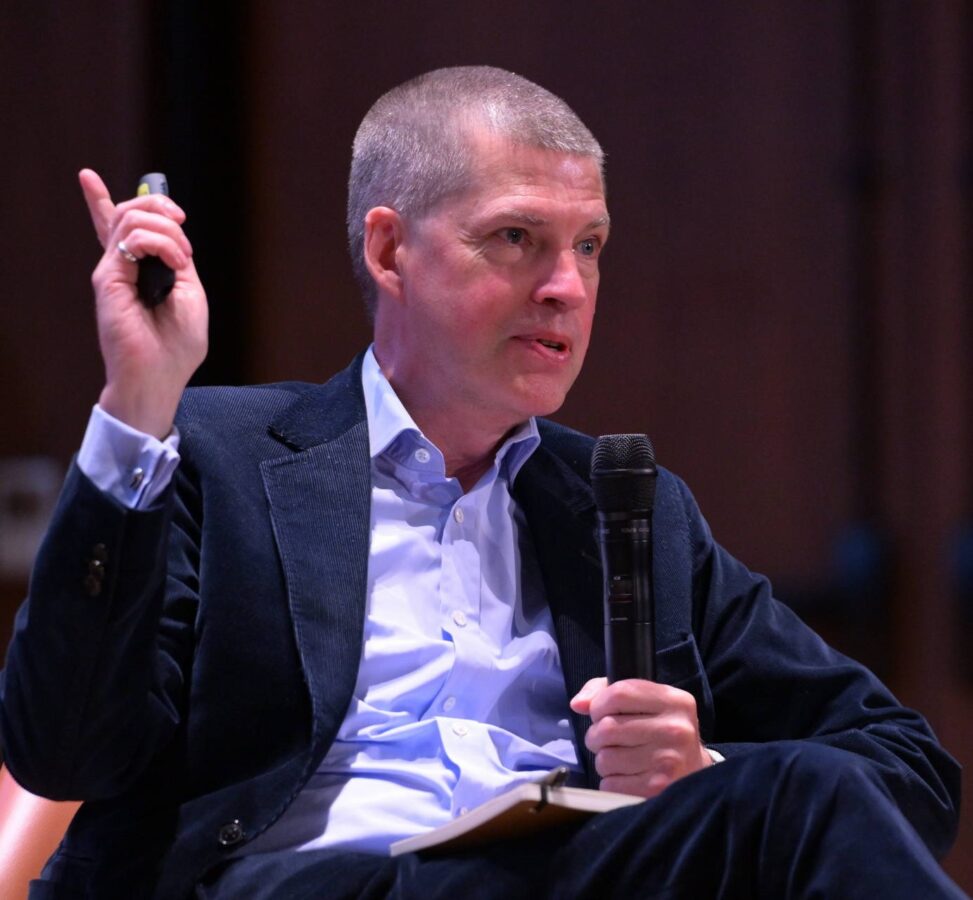
Tye Farrow
Senior Partner, Farrow Partners Architects , Canada
Tye Farrow is a global leader in architecture that promotes health, pioneering salutogenic design—buildings that actively support wellbeing. He’s the first Canadian architect to earn a Master of Neuroscience Applied to Architectural Design (Iuav University of Venice), with degrees from Harvard and the University of Toronto. His award-winning projects span six continents, including a butterfly-inspired cancer center in Jerusalem, a Celtic-themed hospital in Dublin, and a flood-responsive park in Venice. He’s been called “a wellness visionary” and “a global leader advancing health through architecture.”

Joanna Frank
President & CEO, Fitwel, Active Design Advisors, Inc. and Center for Active Design, United States
Joanna Frank is a real estate entrepreneur who oversees the global expansion of Fitwel, the leading people-centric healthy building certification platform. She is the founding President and CEO of Active Design Advisors, Inc. (Adai), and nonprofit research organization, Center for Active Design (CfAD), the operators of Fitwel. Prior to launching CfAD, Ms. Frank spearheaded data-driven, health-based real estate initiatives under the Bloomberg administration, including NYC’s FRESH Program and the Active Design Initiative. She serves on the editorial board of Propmodo and is a member of the Urban Land Institute’s Affordable/Workforce Housing Council and Fannie Mae’s Multifamily Housing Taskforce.

Kellan Florio
Chief Investment Officer, Therme Group, United States
Kellan Florio is the Chief Investment Officer of Therme Group and is responsible for capital formation strategy and execution with respect to the group’s global development pipeline, M&A and strategic investments. Kellan most recently served as the Chief Investment Officer for VICI Properties, Inc., a NYSE-listed, S&P 500 real estate investment trust focused on experiential real estate. Prior to VICI, Kellan spent over 15 years at Goldman Sachs where he served as Managing Director and Global Head of Lodging & Leisure within the Real Estate, Gaming & Lodging Investment Banking Group. Kellan received a Bachelor of Arts degree from Middlebury College and serves on the Board of Directors of Masinyusane Inc., a South Africa based non-profit focused on children’s education.
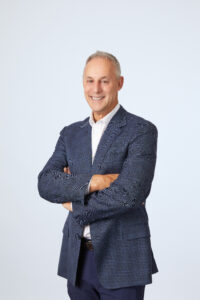
Scott Goodman
Founding Principal, Farpoint Development, United States
Scott Goodman is a founding principal of Farpoint Development, known for transforming emerging neighborhoods through community-driven, legacy projects. Previously, he co-founded Sterling Bay and helped reshape Chicago’s Fulton Market, now home to major headquarters like Google and McDonald’s. At Farpoint, he’s leading the 50-acre Bronzeville Lakefront megadevelopment and the new CTA Operations Center. With nearly 40 years in real estate, Goodman balances profit with purpose. He serves on boards including Navy Pier and the Near South Planning Board, and holds degrees from the University of Michigan and Northwestern’s Kellogg School of Management.

Mark Grabowski
Managing Partner, Snapdragon Capital Partners, United States
Robert Hammond
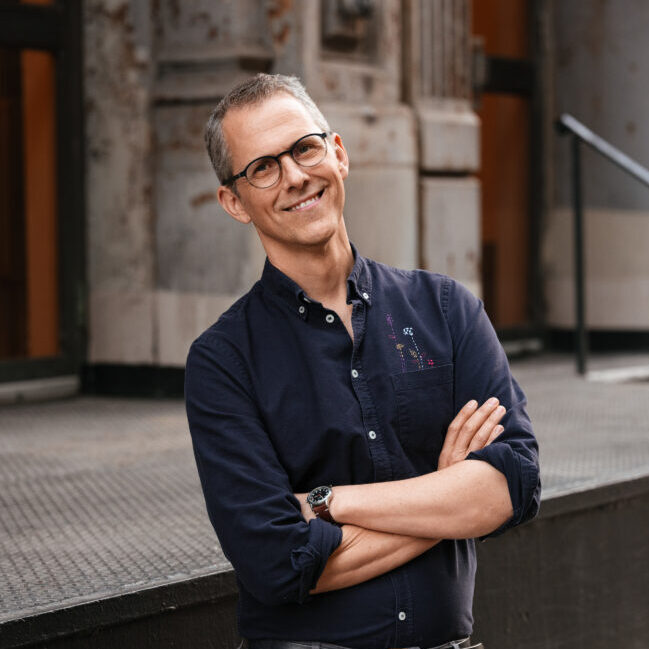
President and Chief Strategy Officer, Therme Group, United States
Robert Hammond joined Therme after serving for over two decades as co-founder and executive director of Friends of the High Line, where he led the transformation of an abandoned elevated railway line in Manhattan into an iconic and beloved urban park. He also created the High Line Network to foster community and share best practices among leaders of infrastructure renewal projects around the world. He has won numerous awards for his work and advised myriad companies and organizations.

Marisa Hodgdon
Co-Founder and Managing Partner, Sidelines, United States

Rachel Hodgdon
President and CEO, International WELL Building Institute (IWBI), United States
Rachel Hodgdon is President and CEO of the International WELL Building Institute (IWBI), where she leads the global movement for people-first places. Under her leadership, the WELL Standard now spans 75,000+ locations and nearly 6 billion square feet across 135+ countries. Previously, she helped grow LEED into the world’s top green building rating system at USGBC, where she also founded the Center for Green Schools. A recognized voice in health, sustainability, and leadership, Rachel serves on multiple boards and frequently lectures at top institutions including Harvard, Stanford, and Tufts.
Neil Jacobs
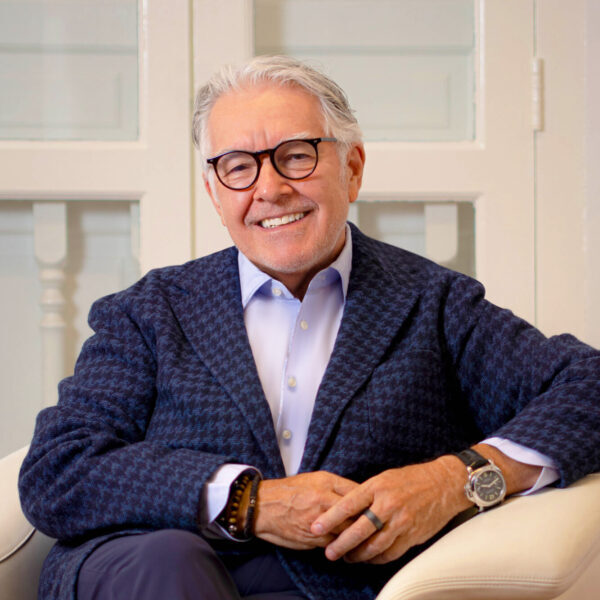
CEO, Six Senses Hotels Resorts Spas, Singapore
Neil Jacobs is the CEO at Six Senses Hotels Resorts Spas. Under his leadership, the company has opened resorts in some of the world’s most beautiful destinations and enabled people to experience the brand’s values in urban environments, from London to New York. Previously, he was president of global hotel operations at Starwood Capital Group and spent 14 years with Four Seasons Hotels and Resorts. He is passionate about wellness, sustainability, responsible design, green initiatives and making travel purposeful.

Katherine Johnston
Senior Research Fellow, Global Wellness Institute, United States
Katherine Johnston has extensive experience conducting economic and industry competitiveness studies worldwide, including 17 years as a senior economist with SRI International. Since 2008, Katherine has partnered with the GWI to pioneer groundbreaking research on the global wellness industry, with a focus on defining and measuring opportunities in the wellness economy, wellness tourism, workplace wellness and wellness communities/real estate. She holds a B.A. from Sweet Briar College and a M.S. from Georgetown University’s School of Foreign Service.
Isaac H. Jones
Founder, Health Experts Alliance, United States
Isaac Jones is the founder of Health Experts Alliance and a world-renowned longevity expert. A 10-year virtual practice veteran, Dr. Jones now empowers the doctors of the future with cutting-edge longevity training, systems and business education so they can have more impact and create more income and freedom. His latest venture, Centagio, is pioneering longevity and wellness residences—turnkey investments that merge high-end living with cutting-edge health optimization. These ultra-luxury developments, spanning private residences, resorts, and wellness communities, are designed to increase lifespan, enhance vitality, and create unparalleled value for investors and residents alike.

Madeline Kaplan
Partner, Selva Ventures, United States
Angus Kearin
Head of Development, Urbanest, United Kingdom
Angus Kearin was one of the founding members of Urbanest. For over 15 years has led the company’s development program with overall responsibility for the construction of each of their new developments. Angus is instrumental in the development and delivery of Urbanest’s sector leading specification and has been the driving force in their recent efforts to deliver Passivhaus certification across thei new pipeline. Angus has worked in the central London Purpose Built Student Accommodation (PBSA) sector for over 30 years. Prior to Urbanest, he was at Unite, the UK’s largest PBSA developer / operator, where he led the delivery of their London projects.

Yuki Kiyono
Global Head of Health and Wellness Development, Aman, Singapore
Yuki Kiyono has a diverse work experience in the hospitality industry. She started in 2003 at Grand Hyatt, where she worked as an Assistant Spa Manager. Yuki then joined Conrad Tokyo as a Spa Manager in 2006. From 2007 to 2009, she served as a Spa Director at Mandarin Oriental Hotel Group. Yuki then moved to Fairmont Hotels & Resorts, where she worked as a Director of Spa from 2009 to 2011. Yuki rejoined Mandarin Oriental Hotel Group in 2011 as a Spa Director and later became the Director of Spa from 2012 to 2013. In 2014, she transitioned to AMAN and held various positions, including Spa Manager, Regional Spa Director – North Asia, Group Director of Spa – Operations, Global Head of Wellness and Spa (Group Director), and Global Head of Health and Wellness Development. Yuki Kiyono attended New York University, where she studied Hotel Operation. She also studied Health Science at Osaka Woman’s College.

Mia Kyricos
President & Chief Love, Kyricos & Associates LLC, United States
Mia leads Kyricos & Associates, LLC, strategic advisors in wellness, hospitality, tourism & healthy lifestyles with a specialty in brand strategy. She has worked across 100+ countries and held leadership positions at Hyatt, Spafinder Wellness, Starwood Hotels & Resorts, EXOS and more. She is a founding board member of the Global Wellness Institute, and simply aspires to help people live well and to love more.

Abby Levy
Managing Partner & Co-Founder, Primetime Partners, United States
Abby has spent her career helping businesses and consumer brands grow as an operator, entrepreneur and advisor, most notably in the wellness sector. Prior to Primetime Partners, Abby was a senior executive at SoulCycle, where she oversaw business development and new digital products. Abby has also been a Founder herself, teaming with Arianna Huffington as the Founding President of Thrive Global, a behavior change technology company focused on employee productivity and wellness. Abby began her career at McKinsey & Company then led product development at OXO International. She is a graduate of Princeton University and Harvard Business School.
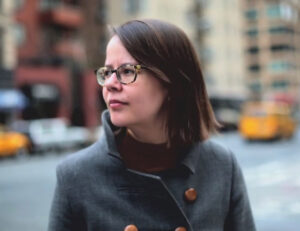
Catherine Malmberg
Director of Public Infrastructure and Strategic Development, Destination Medical Center, United States
Catherine Malmberg directs infrastructure and strategic development activities of the Destination Medical Center initiative (DMC). DMC is a 20-year, $5.6 billion plan designed to position Rochester, MN, home to Mayo Clinic, as the world’s premier destination medical center. DMC is the largest public-private economic development partnership in Minnesota’s history. She has an undergraduate degree from Harvard University and a master’s degree in architecture from Princeton University. She is adjunct faculty and an affiliate practitioner at the University of Minnesota’s Minnesota Design Center.

David Martin
CEO, Terra, United States
David Martin is CEO of Miami-based Terra, leading an $8B+ portfolio of transformative South Florida developments. Focused on smart growth and sustainability, Terra integrates green space, renewable energy, and design by top architects into projects across neighborhoods like Coconut Grove, Doral, and Miami Beach. A Florida native, David champions community engagement and serves on numerous civic, arts, and educational boards including the Bass Museum, Teach for America, and the University of Miami’s Real Estate program. He chairs The Underline’s Neighborhoods Committee and is a board member of the Urban Land Institute. A triple-degree alumnus of the University of Florida, David holds an MBA, JD, and undergraduate degree, and sits on the UF School of Business board.

Amy McDonald
CEO, Founder, Under a Tree Consulting, Wellness Counseling, United States
Amy is the founder of Under a Tree Consulting, where for over 20 years she has led innovative wellness projects for hospitality and real estate developers worldwide. She focuses on business strategy, feasibility, and design development, with a strong emphasis on ROI and regenerative health. A 2024 Women of Wellness award recipient, Amy is a sought-after speaker and active leader within the Global Wellness Institute, driving impactful change in the global wellness industry.

Beth McGroarty
VP, Research & Forecasting, Global Wellness Summit & Global Wellness Institute, United States
Beth McGroarty has led strategic communications and media relations for the Global Wellness Institute for five years, and also assists in Summit research projects, including WellnessEvidence.com. Formerly an academic, she was in the PhD program in English Literature at Stanford University, where she taught for six years and received dissertation fellowships from the Mellon and Mabel McLeod Lewis Foundations. She received her BA (summa cum laude) from Barnard College.
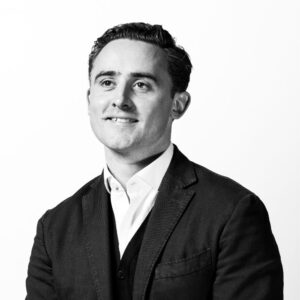
Anthony Mellalieu
Chief Operating Officer, Urbanest, United Kingdom
Anthony Mellalieu joined Urbanest over 12 years ago from JLL, where he was part of the Capital Markets business. At Urbanest, Anthony previously held the role of Development Director, co-leading the acquisitions program with responsibility for the purchase of land and the delivery of planning permissions for all new opportunities. Two years ago he became the Chief Operating Officer, giving him a unique perspective of the broader business with now, overall responsibility for the day-to-day operation of Urbanest’s operational assets as well other corporate roles such as leading on the ESG program.
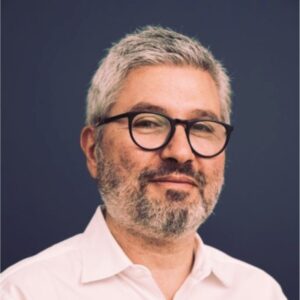
Laurent Ohana
Senior Advisor, Ohana & Co., United States
Laurent Ohana is a Senior Advisor at Ohana & Co., guiding beauty, fashion, wellness, and tech companies through sales, financings, and strategic deals. A former venture capitalist and founder, he led New Media Capital and Parkview Ventures, with successful exits including LookSmart, MetaMatrix (RedHat), and EarthData (Fugro). Trusted by founders and investors alike, Laurent has worked with clients like TheRealReal and Violet Grey, backed by firms such as Kleiner Perkins and Capital Z.

Nathan Palin
Founder & Managing Principal, SKOA Capital, Canada

Sharon Prince
CEO and Founder, Grace Farms, United States
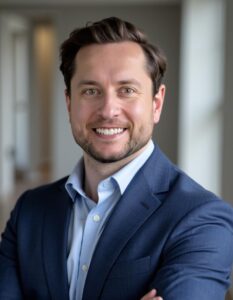
Denis Reshetnev
Vice President, Off Road Capital Partners, United States
Denis Reshetnev joined Off Road Capital Partners at the firm’s inception in 2016 as the first non-founding member of the investment team. He is involved in all phases of the investment and portfolio management process, including the acquisition of Iron Mountain Hot Springs and the founding and development of WorldSprings and Zion Canyon Hot Springs. Denis works closely with the leadership teams of all three businesses, with a particular focus on financing, human capital, real estate pipeline, and overall strategy. Prior to joining Off Road, Denis began his career in investment banking, holding roles at Bank of Tokyo-Mitsubishi (MUFG) and FBR Capital Markets.

Kenneth Ryan
Chief Longevity Officer, The Estate, United States
Kenneth Ryan is Chief Longevity Officer at The Estate, a global platform redefining wellness through advanced diagnostics, performance science, and ultra-luxury hospitality. He leads the creation of evidence-based wellness and longevity programs across its portfolio of residences and wellness centers. Co-founded by Sam Nazarian and Tony Robbins, The Estate is pioneering a new era of personalized healthspan and elite lifestyle design. Kenneth also serves on the Board of Directors for the International SPA Association (ISPA) and leads The Ryan Wellness Group, advising top-tier developers and investors on next-gen wellness concepts. With over 27 years of experience—including senior leadership at Marriott—he’s a driving force behind some of the industry’s most iconic wellness brands.

Kane Sarhan
Co-Founder & CCO, THE WELL, United States

Veronica Schreibeis Smith
CEO & Founding Principal, Vera Iconica, United States
Veronica Schreibeis Smith, AIA, NCARB, LEED AP, leads a design brand focused on creating environments that support optimal human and planetary wellbeing. Her company is recognized as a global pioneer in wellness architecture, and she is also host of the podcast, “Architecture of Being: Composing a Conscious Life,” which explores the impact our surroundings have on longevity, vitality and happiness. She has practiced architecture on four continents and founded the Wellness Architecture & Design Initiative for the Global Wellness Institute.
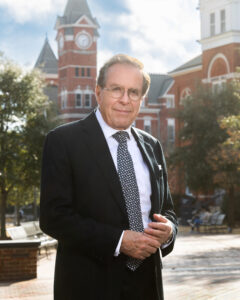
Horst Schulze
Leader in Global Hospitality, Co-founder and Former President of
Ritz-Carlton Hotel Company, United States
Horst Schulze, a hospitality icon, helped redefine service standards as a founding member of The Ritz-Carlton Hotel Company. As President and COO, he led the brand to global acclaim and two Malcolm Baldrige Awards. He later founded The Capella Hotel Group, further shaping luxury hospitality. Schulze has earned numerous honors, including “Hotelier of the World” and a hospitality school named in his honor. His book Excellence Wins has sold over 100,000 copies.
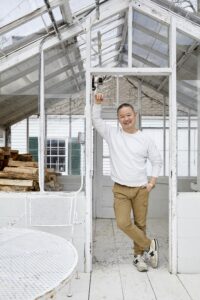
Danny Seo
Lifestyle Expert & Author, Danny Seo Media Ventures, United States
Danny Seo is the Emmy Award–winning host and creator of Naturally, Danny Seo, a lifestyle brand that includes both a television show (streaming on Peacock), a quarterly print magazine of the same name, and a line of eco-friendly products sold in over 5,000 stores worldwide. The author of 16 books covering sustainable design and cooking, Danny is also the co-principal and publisher of RUE, a leading interior design magazine and media brand. He serves as the Chief Lifestyle Contributor on The Drew Barrymore Show and writes a nationally syndicated column titled Do Just One Thing. Danny lives in New Hope, Pennsylvania.

Elan Shuker
Global VP of Programme Partnerships, BBC Studios, United Kingdom

Manvendra Singh Shekhawat
Managing Director, Suryagarh Collection; Founder, Dhun; Founder, The I Love Foundation, India
Manvendra is a quintessential explorer and a creator at heart focused on experiential tourism, cultural preservation, and ecological restoration. He’s behind standout hotels like Suryagarh, Narendra Bhawan, and Mary Budden Estate, which have helped redefine luxury travel in India. Through his I Love Foundation, he’s led over 60 community projects, from cleanliness drives to India’s first citizen-airline partnership. His current focus is Dhun, a regenerative habitat project for 8,500 people, built on 500 acres of once-barren land— a blueprint for the future of living that enhances our environmental, social, and physical wellbeing.
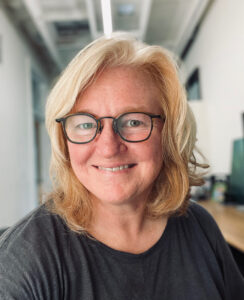
Teri Slavik-Tsuyuki
Principal, tst ink, LLC; Co-Chair, Wellness Communities & Real Estate Initiative, United States
Teri Slavik-Tsuyuki is a community development expert known for translating consumer insights into visionary places. She led the award-winning America at Home Study, shaping post-COVID home design. As former CMO of Newland Communities, she built brands across 40+ communities in 14 states. Her firm also launched resorts in three countries for Intrawest. Teri co-chairs the Global Wellness Institute’s Wellness Communities initiative and is a sought-after speaker. Her work has appeared in Forbes, Fast Company, CNN Business, and more. She holds degrees from Northwestern and Simon Fraser University.

Emmanuelle Slossberg
Founder, Connect 10 Strategy, United States
Emmanuelle brings over 30 years of global real estate marketing expertise, blending design, strategy, and innovation through a multicultural lens. As founder of Connect 10 Strategy, she guides projects from concept to completion, driven by ENTELECHY—the realization of full potential. Fluent in five languages, she’s led growth for tech startups, top architectural firms, nonprofits, and real estate giants like the Durst Organization and SHVO, with standout projects including One World Trade Center. Emmanuelle co-founded ULI’s Americas MarCom Forum and serves on the board of the Consortium for Sustainable Urbanization. She holds a Master of Architecture degree from the University of Pennsylvania and a BA from Wesleyan University.
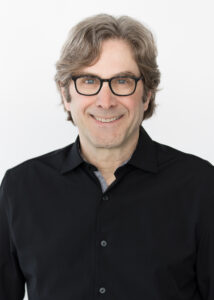
Bruce Thompson
Co-Founder & CEO, Urbaneer, United States
Bruce Thompson is co-founder and CEO of Urbaneer, a wellness real estate company focused on using technology to extend health spans at home. With a background in international tech, he’s spent decades exploring how innovation shapes housing. Over 10 years and 40 projects, he’s developed an approach that blends physical and digital environments to support healthy living. His work spans residential, hospitality, and senior living, backed by a unique partner ecosystem. His next focus: homes powered by AI that actively care for residents.

Vlada Tusco
Global Head of Partnerships, BBC Studios, United Kingdom
Vlada Tusco is the Global Head of Partnerships at Programme Partnerships, BBC Studios, overseeing the development and production of award-winning programs and campaigns focused on issues and topics that are shaping our world. She connects organizations leading meaningful change with BBC’s global audience through immersive and impactful storytelling. Prior to the BBC and following the completion of a degree in film and television studies at Warwick University in the UK, Vlada worked in a boutique London-based creative agency.

Jennifer Walsh
Founder, Creative Director, Beauty Bar, The Lost Art of Being Human, United States
Jennifer Walsh is a pioneering entrepreneur and thought leader at the intersection of beauty, nature, and human well-being. Founder of Beauty Bar and The Lost Art of Being Human, she has redefined retail through biophilic design and now advises institutions like the University of Pennsylvania and Harvard’s Brain Health Initiative. Jennifer is also the author of Walk Your Way Calm and recently launched a biophilic furniture line with CORT Furniture. Her mission: to reconnect people with beauty, movement, and nature for a more human-centered, thriving future.

Ophelia Yeung
Senior Research Fellow, Global Wellness Institute, United States
Ophelia Yeung has extensive experience leading research and strategy development for business, nonprofit, multilateral and government organizations, including 20+ years at SRI International and as the co-director for the Center for Science, Technology and Economic Development. Since 2008, she has co-authored many research studies for the GWI, including “The Global Wellness Economy: Country Rankings” in 2022 and “Wellness Real Estate: Looking Beyond Covid” in 2021. Yeung holds degrees from Smith College and Princeton University.

Zoe Zabor
VP, Primetime Partners, United States
Zoe is a vice president at Primetime Partners, an early-stage venture capital fund that invests in healthspan, wealthspan, and workspan. Her background spans venture investing, business incubation, product development and strategy consulting. Zoe was previously on Tishman Speyer’s venture investing and innovation team, and IBM’s C-Suite Briefing team. Zoe holds an MBA from Harvard Business School and a BA from Princeton University.
The post 2025 Wellness Real Estate & Communities Symposium Speakers appeared first on Global Wellness Institute.
]]>