The post The Beauty-Gut Connection: How Digestive Health Affects Skin Appearance appeared first on Global Wellness Institute.
]]>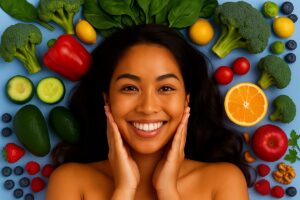 Clear, radiant skin is often thought of as the result of surface-level care—cleansers, serums, and moisturizers. But increasingly, science is pointing to a deeper influence: the digestive system. A growing body of research highlights the profound relationship between gut health and skin appearance, often called the gut-skin axis.
This connection is not merely theoretical. From inflammatory skin conditions to premature aging, the internal state of the gastrointestinal system can influence what appears externally. Understanding this link offers a new lens to approach skin health—one that extends far beyond the bathroom cabinet.
The Gut-Skin Axis Explained
The gut microbiome refers to the trillions of bacteria, fungi, and microorganisms that live in the digestive tract. These microbes perform a range of essential functions: breaking down food, synthesizing nutrients, modulating the immune system, and producing signaling molecules that travel throughout the body—including to the skin.
The gut-skin axis describes the bidirectional communication between the digestive and integumentary systems. It’s mediated through several overlapping pathways:
Immune signaling: The gut plays host to around 70% of the immune system. When microbial imbalances (dysbiosis) occur, they can trigger immune responses that affect the skin.
Metabolic byproducts: Short-chain fatty acids (SCFAs), produced by bacteria when they ferment dietary fiber, reduce inflammation and strengthen both gut and skin barriers.
Hormones and neurotransmitters: Gut microbes influence levels of cortisol, insulin, estrogen, and serotonin—all of which play roles in inflammation, sebum production, and skin cell turnover.
Particular gut conditions have also been correlated with specific dermatological issues. For example, small intestinal bacterial overgrowth (SIBO) has been found to be significantly more common in individuals with rosacea. In some clinical studies, addressing SIBO through antimicrobial treatment resulted in a notable improvement in rosacea symptoms. Likewise, inflammatory bowel disease (IBD) has been associated with increased rates of psoriasis, and disruptions in gut barrier function have been observed in individuals with eczema. These examples underscore how changes in gut microbial balance, permeability, and immune signaling may correspond to targeted manifestations on the skin.
This interconnection explains why disruptions in gut health can translate into flare-ups on the skin, while a well-balanced microbiome may support a calm, resilient complexion.
Signs of a Gut-Skin Imbalance
For individuals experiencing stubborn or recurring skin issues, especially those that seem resistant to topical treatments, the underlying cause may lie deeper. Certain patterns suggest a gut-driven contribution to skin dysfunction:
Inflammatory skin conditions such as acne, eczema, rosacea, or psoriasis that coincide with digestive issues (bloating, gas, or irregular bowel movements).
Food-related flare-ups where specific meals—especially those rich in sugar, dairy, or processed ingredients—seem to precede breakouts or redness.
Post-antibiotic sensitivity when skin worsens after a round of antibiotics, likely due to disrupted microbial diversity in the gut.
Dull or reactive skin, particularly when paired with signs of poor nutrient absorption like brittle nails or fatigue.
These clues, while not diagnostic on their own, can be early indicators of a compromised gut-skin axis.
How Gut Health Shapes Skin Function
Scientific literature has identified several physiological mechanisms that explain how gut disturbances may manifest on the skin:
Inflammatory Pathways
When gut bacteria are out of balance, the immune system can become overactive. This leads to systemic inflammation, which may express itself through the skin. Individuals with conditions like psoriasis and eczema often exhibit signs of gut barrier dysfunction and elevated inflammatory markers.
Nutrient Bioavailability
The gut is responsible for absorbing vitamins and minerals essential for skin health—such as zinc, vitamin A, biotin, and essential fatty acids. If the gut lining is inflamed or impaired, absorption may be compromised, depriving the skin of the resources it needs to regenerate and protect itself.
Hormone and Neuroendocrine Regulation
Gut microbes assist in metabolizing hormones that influence oil production, skin turnover, and inflammatory responses. An overgrowth of certain microbes may increase insulin or cortisol levels, leading to more sebum and a greater risk of acne or reactive skin.
Gut Barrier Integrity
A compromised gut lining—a condition often described as “leaky gut”—can allow toxins or partially digested food particles to enter the bloodstream. This, in turn, may provoke immune responses that affect the skin, especially in sensitive individuals or those prone to inflammatory skin conditions.
Microbial Metabolites
Short-chain fatty acids, particularly butyrate, play a crucial role in maintaining epithelial integrity and regulating immune function. These compounds can dampen inflammatory responses systemically and support healthier, calmer skin when produced in adequate amounts.
A Note on Microbial Diversity: Quality vs. Quantity
While a diverse microbiome is generally considered a hallmark of health, there is ongoing debate in the scientific community about whether more diversity is always better. Some health professionals—including advocates of ketogenic or carnivorous diets—suggest that microbial functionality is more important than diversity alone.
In clinical settings, ketogenic diets have been shown to reduce overall microbial diversity but increase levels of beneficial bacteria like Akkermansia muciniphila, which supports gut barrier integrity. This particular species has garnered scientific interest for its ability to consume mucus in a way that stimulates renewal of the gut lining, potentially reducing gut permeability and inflammation.
However, large-scale studies, including the American Gut Project, consistently associate higher microbial diversity with better immune regulation, lower levels of inflammation, and greater resilience to stressors like antibiotics or dietary changes. Additionally, lower microbial diversity has been linked to increased severity of skin conditions such as acne, eczema, and rosacea.
The most balanced conclusion may be that both diversity and functionality matter. While specific beneficial strains are critical, a wider variety of microbes can offer redundant and complementary functions, contributing to overall resilience—especially in today’s environment where processed foods, stress, and medication use are common.
Strategies to Support Gut and Skin Health
Research suggests several key practices that promote a healthy microbiome—and by extension, healthier skin.
Nutritional Support
- Increase intake of soluble and insoluble fiber, found in vegetables, fruits, legumes, oats, flaxseeds, and whole grains, to nourish SCFA-producing bacteria.
- Integrate fermented foods such as kefir, yogurt with live cultures, sauerkraut, kimchi, and miso, which may help introduce beneficial microbes and improve microbial balance.
- Emphasize polyphenol-rich foods like berries, green tea, dark chocolate, and colorful produce. These plant compounds can support microbial diversity and enhance growth of species like Akkermansia.
- Reduce added sugars, artificial sweeteners, and ultra-processed foods, which may promote dysbiosis and trigger inflammatory responses.
Lifestyle Factors
- Implement stress management techniques such as meditation, vagus nerve stimulation (deep breathing, humming), or gentle exercise. Chronic stress alters gut microbial composition and increases gut permeability.
- Prioritize consistent, restorative sleep, as circadian rhythm disruption has been linked to changes in gut microbiota and impaired skin regeneration.
- Engage in regular physical activity, particularly moderate aerobic exercise, which has been shown to increase microbial diversity and promote circulation that supports skin health.
Targeted Supplementation
- Consider probiotics with documented strains beneficial for skin, such as Lactobacillus rhamnosus GG, L. plantarum, and Bifidobacterium longum. These may reduce inflammation and support skin barrier function in some individuals.
- Introduce prebiotic supplements like inulin, FOS, or partially hydrolyzed guar gum to feed beneficial microbes and enhance SCFA production.
- For individuals recovering from antibiotics, multi-strain probiotics combined with prebiotic-rich meals may support recolonization and reduce post-antibiotic skin sensitivity.
Supplement strategies should be personalized and ideally guided by a healthcare practitioner familiar with gut microbiome interactions.
Conclusion
The gut-skin connection is increasingly recognized as a vital component of overall health and appearance. While skin concerns are multifactorial, digestive health offers a powerful—yet often overlooked—foundation for clear, resilient, and radiant skin.
Rather than focusing solely on surface treatments or individual dietary trends, long-term skin health may be best supported by nurturing the body’s internal ecology: through thoughtful nutrition, microbial balance, and systemic inflammation management. As the science continues to evolve, the gut-skin axis offers one of the most promising frontiers for integrated beauty and wellness.
Metta Murdaya is the author of the award-winning book Jamu Lifestyle: Indonesian Herbal Wellness Tradition, founder of JUARA Skincare, a committee member of the Global Wellness Institute Aesthetic Health Initiative, and a global speaker on integrative beauty and wellness. Drawing on her bicultural roots in Indonesia and New York, she blends traditional healing with modern science, offering fresh perspectives on holistic health.
The post The Beauty-Gut Connection: How Digestive Health Affects Skin Appearance appeared first on Global Wellness Institute.
]]>The post Wellness Communities & Real Estate Initiative 2024 Trends appeared first on Global Wellness Institute.
]]>2024 Trends
 TREND 1: WAI: Wellness as Infrastructure
The next evolution in wellness real estate is embracing wellness as essential infrastructure, not as “amenities” to be added, but as elements that are at the core – from country, state, city, town, district, neighborhood, building and dwelling scale. This includes designing roads and transportation systems to support human-scale mobility and connectivity, designing and constructing healthier built environments that minimize carbon impacts and costs of servicing, prioritizing mental and physical health with accessible green space, intentional programming and activation. The impact of this trend can be quantified through improved public health and community longevity metrics, increased property values, community resilience.
Sources:
- “La Ville du Quart d’Heure: Naissance d’une Urbanité des Temps Courts” por Carlos Moreno. (2022, Editions de l’Observatoire)
- “Wellness-Oriented Urban Planning: Concepts, Tools, and Case Studies” by Stephanie Rousseau and Thomas G. Reiner. (2023, Routledge)
- “Urban Health: New Directions in Research and Practice” edited by Jason Corburn and Lee Riley. (2022, Oxford University Press)
TREND 2: WAAS: Wellness as a Service in Residential Communities, Commercial and Civic Spaces.
There is a greater emphasis on developing projects that facilitate community wellness, transforming spaces into ecosystems that actively support the design, programming and operations of holistic, enduring well-being. This can range from fitness and nutrition coaching to mental health support and medical consultation services, available on-site or augmented and measurable through digital community platforms. This trend not only differentiates projects and improves their respective performance but also adds accretive value and responds to the growing demand for wellness-oriented lifestyles, potentially reducing healthcare costs and improving overall quality of life. This includes developing pathways that encourage social interaction, support for accessible aging in place, and access to attainable wellness resources for all residents. Projects will be evaluated on their ability to maintain or improve social cohesion, reduce loneliness, and support diverse community needs, with impacts measured through social well-being surveys, community health outcomes and economic impact.
Sources:
- “The future of wellness: Connected and customized” https://www.mckinsey.com/featured-insights/the-next-normal/wellness
- “Wellness as a Service” https://medicalnotes.co/issue-29/
- “How Wellness-as-a-Service Can Drive Growth for Life and Health Insurers” https://www.capgemini.com/insights/expert-perspectives/how-wellness-as-a-service-works-can-drive-growth-for-life-and-health-insurers/
TREND 3: WROI: Wellness Return on Investment: Tangible and Meaningful Measurables
Responding to a heightened awareness and demand for places, and wellness experiences to support greater wellbeing, developers, operators and investors are placing a growing emphasis on the economic and other performance aspects of wellness real estate; such as ROI, NOI, IRR, enhanced hotel revenue, increased premiums, absorption pace and enhanced streams of revenue, and closely tracking these metrics. This contributes to healthcare cost savings, increases in happiness, productivity, retention of residents and employees, and tangible increases in sales prices, rent premiums and overall absorptions. The trend is driven by a demand for evidence-based benefits, encouraging more health-focused design and technology investments.
Sources:
- “Real Estate Experts Share ROI of Wellness Design Home Features”, January 17, 2023,) Forbes.com https://www.forbes.com/sites/jamiegold/2023/01/17/real-estate-experts-share-roi-trends-of-wellness-design-home-features/?sh=5f81438421cb
- “Health Drives Value in Real Estate: New Data Indicates Prioritizing Occupant Health Drives Real Estate Value”, June 2022, Center for Active Design https://assets.ctfassets.net/fuo6knzstk5a/7oO5BafdEJAJTEUU4WDSNZ/355bbae85ebf7e167f83dc86ea914dd6/QuadReal_Benchmarking_Report_June2022.pdf
- “Wellness Real Estate Report: Tracking the Financial Impact of Wellbeing and Wellness on Real Estate Performance”, 2020 Updated Edition, Resources for Leisure Assets https://rlaglobal.com/api/v1/companies/15/files/165122/view
- “The Business Case for Healthy Buildings: Insights from Early Adopters” https://americas.uli.org/wp-content/uploads/ULI-Documents/Business-Case-for-Healthy-Buildings-FINAL.pdf
- RLA Global: “Wellness hotels experience positive growth trend globally in 2023”, https://www.spabusiness.com/wellness-news/RLA-Global-Wellness-hotels-experience-positive-growth-trend-globally-in-2023/353422
- RLA Global: “Wellness Real Estate Report 2024” https://rlaglobal.com/en/industry-reports/2024-wellness-real-estate-report
- Global Wellness Institute Wellness Real Estate Symposium, Amy McDonald, Under at Tree Consulting, “The ROI of Wellness in Hotels, Residences, and Communities”: https://youtu.be/YhNCZ7nVPrs?si=JHCPk9gTLDqyQB05
- Global Wellness Institute Wellness Real Estate Symposium “ROI of Wellness” (Presentation): ROI of Wellness Presentation – April 2024
TREND 4: WRELE: Wellness Real Estate and Longevity Economy
Longevity is becoming a significant focus, driven by an aging population and a shift towards self-care before healthcare. The real estate sector is uniquely positioned to adapt and thrive by integrating longevity-focused design and services into projects from the ground up. This trend involves developing properties that facilitate longer, healthier lives and improve the quality of life through space design, health-focused programming, and designing communities to encourage physical activity and social interaction among aging populations. It can also include integrating personalized health plans based on genetic and biomarker testing and the rise of longevity clinics in communities, offering advanced diagnostic testing and treatments. This “economy” is not just about living longer but improving the overall quality of life, with potential impacts on healthcare systems and societal views on aging.
Sources:
- “Economic and Financial Rationale for Age-friendly Housing” Journal of Financial Management of Property and Construction https://www.emerald.com/insight/content/doi/10.1108/JFMPC-05-2015-0015/full/html
- “Demographics of Aging: The Impacts of Aging on Real Estate Investing” https://www.lasalle.com/wp-content/uploads/2022/12/demographics_of_aging_insight_report_isa_2022.pdf
- “Housing America’s Older Adults” Joint Center for Housing Studies of Harvard University https://www.jchs.harvard.edu/housing-americas-older-adults-2023
TREND 5: WRLN: Wellness Real Estate Leverages Nature More than Ever
A renewed appreciation for and deeper understanding of the power of nature to support wellness – physical, social and emotional – began during the pandemic and continues to build. There is a growing interest in incorporating more parks at all scales, natural outdoor recreation areas, more intentional landscaping, and public green spaces into real estate projects and communities. Additionally, more equitable distribution of and equitable access to these natural assets for traditionally underserved populations is gaining greater focus, distributing the investment of natural spaces more evenly throughout new communities and with greater effort to include them in project renovations for the benefit of all.
Sources:
- “MIPIM World Blog: Green Spaces and Urban Development: A Healthy Balance” https://blog.mipimworld.com/guide-green-real-estate/green-real-estate-green-spaces-urban-development-balance/
- “The Healing Power of Nature” https://www.psychologytoday.com/us/blog/the-roots-health/202111/the-healing-power-nature
- “How Designers and Real Estate Investors Can Create Successful Green Spaces” https://www.forbes.com/sites/forbesbusinesscouncil/2021/08/03/how-designers-and-real-estate-investors-can-create-successful-green-spaces/
- “Public Space: Why it matters, what we should know and how to realize its potential”, Vikas Mehta https://www.routledge.com/Public-Space-notes-on-why-it-matters-what-we-should-know-and-how-to-realize-its-potential/Mehta/p/book/9781032137025#:~:text=Description,an%20incisive%20and%20concise%20manner.
The post Wellness Communities & Real Estate Initiative 2024 Trends appeared first on Global Wellness Institute.
]]>The post Diversity, Equity & Inclusion Initiative Trends for 2024 appeared first on Global Wellness Institute.
]]>2024 Trends

Integrating diversity equity inclusion (DEI) into wellness enhances the effectiveness of initiatives through personalized care, access, representation, community trust and engagement, and innovation. These trends demonstrate a holistic approach to foster DEI in the wellness industry.
The concept of inclusive wellness, centered on peace and community, emphasizes cultural practices and emotional support for diverse groups. This is a starting point of understanding, a place to revisit consistently for continued growth. Mental, physical, and financial elements are key factors in inclusive wellness. Our trends provide a path to these through knowledge building, addressing systemic financial literacy gaps, integrating diversity in AI, and utilizing mixed method research.
Trend 1: Inclusive Wellness Begins with Peace of Mind
Whether spending time in community, practicing mindful movement, or exploring within, wellness is increasingly defined as a feeling of peace. The Diversity Equity Inclusion Initiative interview series aims to define inclusive wellness and celebrate #ChoosingDiverseVoices. One common theme has been the overwhelming desire for peace. It’s an opportunity to shed the roles we’ve been given, rid ourselves of hustle culture, and embrace rest. It’s a chance to create systems and communities that foster the spirit of togetherness, belonging, and equity.
To define what peace looks like and feels like, the first step is referencing the intersectionality framework. Founded by Kim Crenshaw, this highlights how understanding oppression and intersectionality are necessary to fully support the wellness of diverse communities. For example, findings from the National Library of Medicine show that Latinx people seek to increase well being by cooking, dancing, and receiving emotional support. In contrast, it’s also shown that Black communities practicing self-care can be considered a radical act because it has been considered “preventative” for health issues rather than supporting mental wellness.
To support inclusive wellness, universities are offering collections of wellness resources for BIPOC (Black Indigenous People of Color) students. Globally, the amount of identity-based wellness resources are growing.
The World Health Organization’s Global Health and Peace Initiative also supports the budding definition of inclusive wellness. It was created because their research has shown the two closely intertwined. While their focus is on health as a driver for peace, inclusive wellness starts with peace of mind.
Sources:
https://www.youtube.com/@GWIDEI
https://www.vox.com/even-better/23771329/black-women-wellness-collective-deja-love-burnout
https://guides.lib.uconn.edu/c.php?g=1100296&p=8407151
https://www.ncbi.nlm.nih.gov/pmc/articles/PMC8414023/
https://www.bluezones.com/2016/11/power-9/
https://www.who.int/initiatives/who-health-and-peace-initiative
https://www.fnha.ca/wellness/wellness-for-first-nations/first-nations-perspective-on-health-and-wellness
https://sites.google.com/oregonstate.edu/virtualmindspa/identity-based-resources
https://sdgs.un.org/goals
https://www.ncbi.nlm.nih.gov/books/NBK44662/
Trend 2: Implement Financial Wellness Programs to Increase & Retain Diverse Talent
Studies show that 53 percent of employees experience money stress that interferes with their work. Companies supporting employees by focusing on financial wellness programs can increase and retain a diverse workforce. Due to systemic barriers, financial literacy is variable among different socioeconomic groups. Debt, struggle, and hustle has become a way of life. In fact, financial freedom has been so deeply implemented into our culture that “freedom” has become intrinsically tied to financial wellness.
It’s been shown that financial literacy is linked to financial wellness. Therefore, the implementation of these programs can enhance mental and financial wellness, while simultaneously supporting production and retention. A holistic approach that incorporates financial wellness, personalization, and emotional support yields higher results in employee satisfaction and retention.
Sources:
https://www.benefitnews.com/list/5-companies-tackling-employee-financial-wellness
https://www.enrich.org/blog/how-financial-wellness-program-can-help-improve-diversity-and-inclusion/
How financial literacy varies among U.S. adults
https://www.corporatewellnessmagazine.com/article/case-study-successful-financial-wellness-strategies-in-self-funded-companies
https://www.youtube.com/@GWIDEI
Trend 3: Incorporating Diversity to Enhance Inclusion in AI Initiatives
As organizations strive to incorporate diversity and inclusion principles into their AI systems to mitigate biases and ensure fairness, the importance of this trend is becoming more pronounced. The World Health Organization released key ethical principles for AI in health, which included “ensuring fairness, inclusiveness, and equity.” The World Economic Forum’s white paper Blueprint for Equity and Inclusion in Artificial Intelligence significantly contributes to the ongoing dialogue surrounding diversity and fairness in AI development.
By outlining strategies for incorporating equity and inclusion principles into artificial intelligence systems, this blueprint guides organizations seeking to create more equitable technological solutions. Research in this area underscores the critical need to address AI algorithm biases to promote diversity and equity in technology. By acknowledging and rectifying these disparities, advancements in DEI within AI can lead to more inclusive and equitable outcomes for all individuals. As we look at implementing AI into wellness businesses for operational efficiency, creating diverse prompts supports inclusive results.
Sources:
Artificial Intelligence & Inclusion (homepage)
How AI Can Be Leveraged For Diversity And Inclusion (Forbes)
World Health Organization Calls for Safe and Equitable AI for Health
Trend 4: Opportunities for Optimization in Wearable Tech for Enhanced Inclusion
Wearable tech has the potential to support our daily wellbeing by placing the monitoring of heart rate, blood pressure, activity (and more) in the palm of our hands. However, initial research was done in a homogenous manner. A 2022 clinical study of a popular consumer wearable showed the accuracy of heart monitoring of elderly people to be 50 percent versus the 96 percent reported from the initial study. Surveys from six federal approved health centers in the States show that wearables are not used in low-income and minority populations.
Many of the wearables use photoplethysmographic (PPG) green light signaling to measure blood circulation and heart rate. With minority populations not being included in research, a result is the PPG only reads lighter skin tones with accuracy. While the FDA works to enforce more diverse studies, the research tends to depend on volunteers who own their own devices. Without accuracy and proper representation in research, this also presents a barrier to having wearables covered by healthcare insurers.
One thing we can look forward to is wearables being more aligned with our unique identities. Cornell’s Hybrid Body Lab is testing textiles that can include sensory devices to then create products like WovenProbe and KnitDermis, inspired by Taiwenese fashion and Kyoto kimonos.
Sources:
https://healthtechmagazine.net/article/2024/03/trends-wearable-technology-for-healthcare-perfcon
https://cis.cornell.edu/weaving-inclusivity-style-wearable-tech
https://www.thelancet.com/journals/landig/article/PIIS2589-7500(22)00194-7/fulltext
Limiting racial disparities and bias for wearable devices in health science research – PMC
https://healthnews.com/family-health/healthy-living/can-health-tech-devices-be-covered-by-insurance/
https://fmtrust.bank/money-moves-article/what-is-financial-wellness-and-how-do-i-achieve-it/
https://www.thegoodtrade.com/features/financial-freedom/
Trend 5: Improving Inclusive Results with Holistic Approach of Mixed Method Research
Mixed method research combines qualitative and quantitative data, which provides a more holistic understanding of diverse populations. By simply looking at the numbers, we miss deeper insights into experiences and perspectives. This helps identify barriers and opportunities for inclusion that might not be evident through quantitative data alone. It also provides a voice to all people, which empowers equity.
Through using this research method in the medical community, Dr. Demetria Bolden uncovered how the levels of the socioecological model relates to the biological impact of peripheral artery disease on Black Americans. This practice provides a more thorough evaluation of health inequity and ways to balance the scale for inclusive wellness.
From a corporate perspective, the International Journal of Cross Cultural Management showed how hiring for diversity (quantitative) leads to exclusion. Whereas hiring for inclusion (qualitative) increased creativity and innovation.
Language matters as you conduct your research. First, using inclusive language that is representative for a diverse group. Then simply in the way you evaluate. Ask yourself, “Who is not represented at the proverbial table? In what ways have we kept some people out?” Consider surveys, interviews, and focus groups to expand understanding, receive diversity of thought, and ultimately create a more robust product, service, culture, or business.
Sources:
Fostering Equity and Diversity Through Mixed Method Research
Performing in Diverse Settings: Cross Cultural Management
Changing Organizational Culture
Improving Outcomes for Black Americans Living with PAD
The post Diversity, Equity & Inclusion Initiative Trends for 2024 appeared first on Global Wellness Institute.
]]>The post Cryotherapy Initiative Trends for 2024 appeared first on Global Wellness Institute.
]]>2024 Trends
 TREND 1: Precision & Efficiency: Enhanced accuracy and stability in temperature control, improving cryotherapy treatment effectiveness.
The industry-wide shift from nitrogen to electricity-driven cryo systems is advancing at an unexpectedly rapid pace, reflecting a significant change in the landscape of cryotherapy technology. This trend emphasizes the industry’s move towards safer, more convenient, efficient, and precise technologies. Notably, developments from CryoCon 2024 (US) as the leading event focused on cryotherapy and related services, further highlight this swift transition, demonstrating a broader acceptance and enthusiasm for electricity-driven systems. On many other leading exhibitions, like FIBO (Germany) in the fitness sector, only electricity driven systems were featured.
Comparative Overview of Cryo Systems
- Nitrogen-Driven Systems: These systems, which rely on liquid nitrogen to achieve temperatures ranging from real -80°C to theoretical -196°C, are becoming less favored due to inherent risks such as oxygen displacement and asphyxiation, as well as the ongoing logistical and financial burden of securing liquid nitrogen supplies.
- Electricity-Driven Systems: Markedly advancing in popularity, these systems use sophisticated electric refrigeration technology to reach cryogenic temperatures, offering:
- Safety: A significant reduction in risk compared to nitrogen systems, removing concerns over oxygen displacement and asphyxiation.
- Convenience: The elimination of the need for liquid nitrogen, relying instead on electricity (and cooling water in certain setups), streamlines operations and reduces costs.
Precision & Efficiency: Enhanced accuracy and stability in temperature control, improving cryotherapy treatment effectiveness.
Innovations in cryotherapy technology have led to the development of more sophisticated cryotherapy chambers and devices.
- European Markets: The preference for electricity-driven systems continues to rise, with these systems dominating new installations and reflecting an accelerated shift away from nitrogen-based solutions.
- United States: The transition towards electric systems is surpassing previous expectations. The market now clearly favors electricity-driven over nitrogen-driven systems, a trend that is rapidly gaining momentum.
- CryoCon 2024 Highlights: This year’s convention in Dallas was a landmark event, showcasing a significant surge in electricity-driven system innovations and applications. Not only were these systems more prevalent, but the presentations and discussions also emphasized their growing role in shaping the future of cryotherapy. Electric systems were featured four times more than nitrogen-driven systems, a testament to their rising dominance and the industry’s confidence in their benefits.
Forward-Looking Considerations
The initial cost barrier of electricity-driven systems is increasingly offset by their long-term benefits, such as operational efficiency, safety, and precision. The insights from CryoCon 2024 underscore the industry’s rapid adaptation and the strong market demand for these advanced systems.
This evolving preference signifies a critical shift in cryotherapy practices, underscoring a commitment to enhancing safety, efficiency, and patient outcomes. As electricity-driven technology continues to evolve, its influence on market dynamics and treatment standards promises to be profound, marking a new era in cryogenic therapy.
TREND 2: Most newly built spas for top class hotels consider offering cryotherapy
Whole-body cryotherapy is being integrated into holistic wellness practices, including spa treatments, fitness routines, and rehabilitation programs. More and more wellness resorts and retreats offer cryotherapy as part of their wellness packages.
In the competitive landscape of luxury hospitality, top-class hotels are constantly seeking innovative amenities to distinguish their offerings and cater to the evolving preferences of their discerning clientele. Among these innovations, cryotherapy has emerged as a sought-after feature in newly built spas, reflecting a broader trend towards wellness and holistic health. This trend is underpinned by a growing body of evidence supporting the health benefits of cryotherapy, coupled with a rising consumer interest in novel and science-backed wellness treatments. For top-class hotels, offering cryotherapy services is not just about providing a unique amenity; it’s about aligning with the lifestyle and values of their guests, who increasingly prioritize health, wellness, and unique experiences.
Celebrities and athletes have been vocal about their use of whole-body cryotherapy for recovery and performance enhancement. Their endorsements have contributed to the mainstream visibility of this treatment.
Luxury hotels are also leveraging cryotherapy to enhance their brand image and market positioning. By incorporating state-of-the-art wellness treatments, these hotels can market themselves as forward-thinking and dedicated to providing guests with comprehensive, high-quality experiences. It enables hotel brands to align with more general trends like fitness, biohacking, and longevity. This not only attracts guests interested in wellness but also sets the hotel apart in a crowded and competitive market.
Furthermore, testimonials and case studies from leading hotels that have successfully integrated cryotherapy into their spa offerings provide compelling evidence of its appeal and effectiveness. These establishments report increased guest satisfaction, higher spa visitation rates, and positive feedback, highlighting cryotherapy’s role in enriching the guest experience and fostering a culture of wellness and longevity.
https://www.sirohotels.com/dubai/one-zaabeel/recovery/cutting-edge-therapy
https://www.chenot.com/chenot-palace/weggis/treatments/human-performance-department/
https://longevity-hub.cliniquelaprairie.com/offering/longevity/
https://burgenstockresort.com/en/offers/regeneration-retreat
https://lanserhof.com/en/service/physical-medicine/
https://www.sparklinghill.com/kurspa/cryo-cold-chamber/
https://www.schwarz.at/de/spa-gesundheit/spa-behandlungen/
TREND 3: Education and knowledge about cryo keep evolving.
Whole-body cryotherapy has gained popularity among athletes, fitness enthusiasts, and individuals seeking alternative wellness treatments. Many people are drawn to its purported benefits for muscle recovery, pain relief, and overall well-being.
In the swiftly evolving domain of cryotherapy, the importance of education cannot be overstated. As cryotherapy gains traction across various sectors the market is witnessing a burgeoning demand for professionals equipped with comprehensive knowledge and understanding of this innovative treatment. This surge in interest underscores the necessity for a structured and in-depth educational framework that not only imparts foundational knowledge but also keeps pace with the latest advancements in cryotherapy applications and research findings.
The escalation in cryotherapy’s popularity has catalyzed the development of specialized training programs and certifications. These educational initiatives are designed to equip practitioners with a robust understanding of cryotherapy mechanisms, safety protocols, and client management strategies. Such programs are crucial in ensuring that practitioners are well-versed in the nuances of cryotherapy, enabling them to deliver treatments safely and effectively while optimizing the outcome and results for their clients.
Moreover, the integration of cryotherapy education into academic curricula in fields related to health and wellness signifies its growing importance in the market. Universities and colleges are beginning to recognize cryotherapy as a significant area of study within physical therapy, sports medicine, and wellness programs. This academic acknowledgment is instrumental in nurturing a new generation of professionals who are scientifically knowledgeable about cryotherapy’s benefits, risks, and potential applications.
The emphasis on education extends beyond professional training and academic programs. Public seminars, webinars, and workshops are increasingly common, aimed at demystifying cryotherapy for the general populace. These educational efforts are pivotal in raising awareness, dispelling myths, and fostering an informed understanding of cryotherapy among potential clients. They play a vital role in driving the adoption of cryotherapy by educating consumers on its scientifically backed benefits and encouraging informed decisions regarding its use.
TREND 4: Shift from applications for pain management and recovery to longevity and prevention.
The cryotherapy field is undergoing a transformative shift from primarily focusing on pain management and regeneration to adopting roles in longevity and prevention. This change is rooted in a deeper understanding of cryotherapy’s wide-ranging benefits, moving from short-term regeneration to fostering overall health and wellness.
Traditionally, cryotherapy has been pivotal in sports medicine, known for its quick relief for athletes from muscle soreness, inflammation, and injury. Yet, as research into cryotherapy grows, its scope is expanding to include holistic health goals, especially in enhancing systemic health, slowing aging, and prevention. Studies suggest that cryotherapy’s effects on inflammation, oxidative stress, and metabolism play a key role in its potential to mitigate aging processes and disease risks, offering a proactive measure for longevity.
Furthermore, cryotherapy is believed to boost immune function, potentially reducing the occurrence of infectious diseases by stimulating the immune system through brief exposure to extreme cold. This aligns with an increasing focus on natural immunity enhancement within preventive healthcare.
This broader application of cryotherapy is catching on across various demographics, moving beyond athletes to those interested in long-term health maintenance. This shift underscores the need for ongoing research to fully understand cryotherapy’s benefits and to develop optimized protocols for health and longevity.
As cryotherapy’s applications widen, it signifies a notable evolution in the approach to health maintenance, emphasizing its role in proactive health and wellness management. This evolution not only highlights the expanding therapeutic potential of cryotherapy but also its importance in a preventive health strategy, marking a significant step forward in physical recovery and health care practices.
TREND 5: Cryotherapy is increasingly combined with other holistic wellness modalities.
Cryotherapy is increasingly combined with other holistic wellness modalities, branching out from heat treatments like infrared saunas, light beds, and multi-modality treatments to encompass a wider array of complementary therapies. This holistic approach to wellness, integrating cryotherapy with various other treatments, aims to enhance overall health, improve circulation, reduce inflammation, and promote relaxation. By alternating between cryotherapy’s extreme cold and other modalities’ benefits, such programs leverage the body’s natural responses to diverse stimuli, enriching the therapeutic experience.
In addition to warmth-based treatments (always considering that skin shall be dry before doing cryotherapy), other modalities that pair well with cryotherapy include hyperbaric oxygen chambers, compression therapy, massage, lymphatic drainage, dry floating, halotherapy, sports and activity programs, yoga, meditation and many more. These combinations offer a broad spectrum of health benefits, from enhanced muscle recovery and stress reduction to improved mental clarity and flexibility. The underlying principle remains the same: using temperature variation, pressure combined with under-pressure and other therapeutic techniques and activities to stimulate the body’s healing mechanisms provoking its response to support optimal well-being.
Key Considerations for Integrating Cryotherapy with Other Wellness Modalities:
- Personal Health Assessment: It’s crucial to tailor the combination of treatments to the individual’s health status and wellness goals. This personalized approach ensures that the benefits are maximized while risks are minimized.
- Protective Measures: Especially in cryotherapy, wearing appropriate protective gear is essential to prevent cold-related injuries. Dry skin, along with protective clothing for extremities and sensitive areas, is necessary.
- Professional Guidance: Consulting with healthcare professionals is advisable before starting any new wellness regimen, especially when combining treatments like cryotherapy with other modalities. This is to ensure compatibility with one’s health condition and to craft a program that addresses specific needs and goals effectively.
Contrast therapy, featuring the alternation between cryotherapy and heat treatments, serves as a foundational concept. Expanding this framework to include a variety of wellness practices can provide a more holistic approach to health and well-being. This integrative strategy not only focuses on physical recovery and conditioning but also emphasizes mental and emotional balance, showcasing the versatility and comprehensive benefits of combining cryotherapy with a wide spectrum of holistic wellness modalities.
TREND 6: Misleading communication seems to be repeating itself.
Three examples of misleading communication having a major impact on the development of the cryotherapy market.
- For years the partial-body cryotherapy/stimulation (PBC) was not adequately distinguished to whole-body cryotherapy/stimulation (WBC).
Scientists, suppliers, operators, and media named services not including head and shoulder incorrectly as whole-body cryotherapy instead of partial-body cryotherapy, even being so obvious and logical that head and shoulders belong to one’s body. This miscommunication has even led to the adoption by public bodies not distinguishing between the two different set-ups with tremendous harm to the market not only by misled final customers but with serious consequences in Canda.
After an accident in the US with a cryo sauna Health Canada put PBC (cryo saunas) and WBC (cryo chambers) solutions were painted with one brush, ignoring the fact that an asphyxiation by nitrogen accident is impossible with an indirect or electricity driven cryo chamber. Consequently, Health Canada prohibited the import and installation of new PBC and WBC systems in Canada, with effect till today.
Good news: At least most scientific publications authors today distinguish strictly between PBC and WBC, and media partly adopts the correct communication slowly.
- Confusion about temperatures of cryo sauna and cryo chambers is an ongoing topic. There are many ways used in the market to communicate the actual temperature in a device and sometimes obviously wrong statements of manufacturers and hence operators about delivered temperatures. There are different approaches to cure this on its way. One comes from CINA (Cryotherapy Industry National Association, Dallas, Texas, USA), to develop a standard procedure with certificate to grand customers the possibility to compare offered temperatures based on a standardized measuring set-up.
- Comparing apples with oranges by lumping together whole-body cryotherapy (WBC) and cold-water immersion (CWI) in media and some studies is misleading the consumers when it comes to comes to potential treatment benefits, when to use it and how it feels.
Definitions:
Cold water immersion (CWI) known as “winter swimming”, “ice bathing” or just named “cold plunge”. The user immerses himself in cold water with a temperature ranging between – 2 °C / 36 °F and 20 °C / 61 °F (mainly between 2 °C and 16 °C, in sports between 7 °C and 15 °C). Some ice swimmers bath in -2 °C water, and on the other end you find some users who prefer up to 20 °C.
Whole body cryotherapy is exposing the whole body for a few minutes to extreme cold air, while wearing underwear or dry swimwear, shoes with socs, gloves, headband or hat covering ears and a mask. The user is standing or moving slowly in an extreme cold environment with very dry air. Temperatures communicated vary between -75°C and -130 °C, while the gold standard is -110 °C / -166 °F.
Both treatments withdraw warmth from the body, this is what they have in common. The following table gives a quick overview of both treatments.
| CWI | WBC | |
| Medium | Cold water | Dry cold air |
| Temperature | Not subzero (except ice water with down to -2 °C) | Extreme subzero |
| Warmth Exchange | Mainly conduction | Mainly Convection & Radiation |
| Risks | Depending on where it is applied, it ranges from controlled environments to uncontrolled public and private places. | In public places treatment takes place after a short questionnaire to exclude contra indications. Private users get a training from serious suppliers, before taking the product in operation. |
| Both treatments are secure, as long as one follows the rules and excludes contra indications. | ||
| Fields of Use | Sports, Wellbeing, Biohacking, Longevity | Medical, Sports, Wellbeing, Biohacking, Longevity |
| Perception | Hard for many users | Easy, even comfortable after some experiences |
| Accessibility | Easy, can be realized at home many people | High investment, exclusive, premium treatment |
| Core Temperature & Penetration | Significant drop of core temperature of up to 4.5 Kelvin depending on temperature, duration, personal physical values, thermal adoption, mode… | Virtual stable core temperature, just going down by ca. 0.1 Kelvin. Body is activated and cools permanently against the dry cold impact from the surrounding. |
The Cryotherapy Initiative will work on providing a classification and differentiation of both modalities and publish more comprehensive information on the topic.
The post Cryotherapy Initiative Trends for 2024 appeared first on Global Wellness Institute.
]]>The post Wellness Coaching Initiative Trends for 2024 appeared first on Global Wellness Institute.
]]>2024 Trends

The Wellness Coaching Initiative will be publishing a paper in the first quarter of 2024 based on the trend outlined below. All resources come from the paper titled:
“Global Perspectives on Inclusive Well-Being: The Role of Health and Wellness Coaching in Fostering Diversity, Equity, Inclusion and Belonging, Empowering Individuals, Leaders, Service Providers and Advocates of DEIB Through the Lens of Health and Wellness Coaching”
TREND 1:
Diversity, Equity, Inclusion and Belonging (DEIB)
Multiple studies have shown that Diversity, Equity, Inclusion and Belonging are vital to creating and maintaining business success and are recognized as among the hottest global topics of our decade (Milanesi, 2023). Anchored in the principle that everyone can thrive personally and professionally, DEIB is about giving everyone a sense of safety, respect, connection, and belonging. So, DEIB directly impacts well-being.
As our global economies become more diverse, leaders of all levels need to create safe, equitable, and inclusive environments. Macro-level global issues, such as war, pandemics, or climate change, affect people differently, largely due to existing inequities. The challenge is knowing how to root DEIB initiatives in sustainable and impactful ways with this worldview (Krause, 2022).
TREND 2:
Beyond Workplaces
Beyond workplaces, firmly rooted in our communities and lives, supporting a diverse group of people from a range of generations, backgrounds, ages, and health statuses, DEIB is among the most critical challenges today.
Health and Wellness Coaching is not credentialed or regulated globally. The United States and the United Kingdom, where it is most advanced, have led the development and establishment of this emerging profession (Global Wellness Institute, Global Coaching Initiative, 2021).
TREND 3:
Diversity of Health and Wellness Coach Specialties
Health and Wellness Coaching is a diverse field, and coaches often specialize in various areas to meet the unique needs of their clients depending on their training, interests, and certifications. Coaches may choose to focus on one or more of these areas to provide specialized support to their diverse clients. As human health evolves, Health and Wellness Coach specialties evolve, too. A non-exhaustive list of Health and Wellness Coach Specialties (ever evolving):
- Medical Coaches
- Nutrition Coaches
- Fitness Coaches
- Stress Management Coaches
- Mental Health and Well-Being Coaches
- Smoking Cessation Coaches
- Chronic Disease Management Coaches
- Weight Loss Coaches
- Holistic Health Coaches
- Lifestyle Coaches
- Senior Health Coaches
- Youth and Teen Health Coaches
- Corporate Wellness Coaches
- Cancer Wellness Coaches
- Gut Health Coaches
- Pregnancy and Postpartum Coaches
- Wellness Coaches for Specific Populations
- Wellness Coaches for Aging in Place
- Addiction Recovery Coaches
- Holistic Nutrition Coaches
- Wellness Coaches for Specific Conditions
TREND 4:
Accreditation and Training Are Following the Trend
The leading global providers of certification, including the National Board for Health and Wellness Coaching (NBHWC), The International Coaching Federation (ICF), and the United Kingdom & International Health Coaching Association (UKIHCA), have each demonstrated a commitment to advancing diversity, equity, inclusion, and belonging (DEIB) within the coaching profession. Recognizing the importance of staying abreast of the current DEIB trends, these organizations have diligently established comprehensive policies and procedures. These frameworks are designed to not only align with evolving DEIB standards but also to guide practitioners in fostering inclusive coaching environments (ICF, 2023; NBHWC, 2023; UKIHCA, 2023)
TREND 5:
Relying on Health and Wellness Coaching to Help Meet Modern-Day DEIB Objectives
Today’s trend relies on Health and Wellness Coaching to help conquer this challenge and meet modern-day DEIB objectives through personalized attention where everyone feels they belong.
Health and wellness coaches’ skills and knowledge enable them to navigate the complex landscape of human health and well-being, fostering inclusivity and equity in their practice. By prioritizing DEIB principles, these coaches contribute to the holistic betterment of their clients and society, embodying agents of positive change in the realm of wellness.
The collective efforts of Individuals, Leaders, Service Providers, and Advocates of DEIB can bring about positive change, fostering a global environment where everyone can thrive and enjoy optimal well-being.
Sources:
- Global Wellness Institute, Wellness Coaching Initiative. (2022, January). Wellness coaching initiative resources. Global Wellness Institute. Retrieved May 1, 2023, from https://globalwellnessinstitute.org/initiatives/wellness-coaching-initiative-resources/
- International Coaching Federation. (2022). State of diversity – coachingfederation.org. International Coaching Federation. https://coachingfederation.org/app/uploads/2022/10/ICF-State-of-Diversity-Whitepaper.pdf?trk=public_post_comment-text
- Krause W. (2022). “Diversity, equity and inclusion as fertile foundation for workplace well-being, optimal performance, and planetary health,” Leading with diversity, equity and inclusion. Eds. Marques J., Dhiman S. (Cham: Springer International Publishing (Future of Business and Finance), 263–279. doi: 10.1007/978-3-030-95652-3_16
- Milanesi, C. (2023, April 20). The business impact of Diversity, equity and inclusion. Forbes. https://www.forbes.com/sites/carolinamilanesi/2023/04/20/the-business-impact-of-diversity-equity-and-inclusion/
- NBHWC. (2023, September 1). Home. NBHWC. https://nbhwc.org/
- UK & International Health Coaching Association Ltd. (2023). UKIHCA: Edi policy. UK & International Health Coaching Association Ltd. https://www.ukihca.com/edi-statement
The post Wellness Coaching Initiative Trends for 2024 appeared first on Global Wellness Institute.
]]>The post Respiratory Wellness Initiative Trends for 2024 appeared first on Global Wellness Institute.
]]>2024 Trends

The Respiratory Wellness Initiative Trends delve into key developments shaping respiratory health in an ever-evolving healthcare and wellness landscape. From the intersection of climate changes that can lead to respiratory conditions to the rise of telemedicine and technology innovations in air quality monitoring, we are exploring the trends driving advancements in respiratory care and wellness.
TREND 1:
Growing Climate Change Impacts Respiratory Health
The effects of climate change, including extreme weather events, wildfires and shifting pollen seasons, exacerbate respiratory conditions such as asthma and allergies. Respiratory health risks are intensifying as temperatures rise and weather patterns become more unpredictable.
Sources:
- https://err.ersjournals.com/content/23/132/161
- https://pubmed.ncbi.nlm.nih.gov/23964626/
TREND 2:
More Governmental Commitment to Indoor Air Quality (IAQ)
This trend is well-supported, indicating a continued focus on IAQ from prominent governmental agencies and organizations. It highlights a sustained commitment to improving IAQ standards and regulations, which is crucial for respiratory health. It also reflects the lasting impact of the pandemic on public health priorities.
Sources:
- https://www.whitehouse.gov/ostp/news-updates/2022/12/08/fact-sheet-departments-and-agencies-commit-to-cleaner-indoor-air-across-the-nation
TREND 3:
Telemedicine for Respiratory Care
Telemedicine and remote monitoring technologies are revolutionizing respiratory care by providing convenient access to healthcare professionals and allowing for remote monitoring of respiratory conditions. Virtual consultations, remote pulmonary function tests and wearable devices are increasingly prevalent in managing respiratory health.
Sources:
TREND 4:
Technology Innovations in Health Buildings and Air Quality Monitoring
This trend emphasizes the ongoing advancements in indoor air quality and health-building technology. Such innovations are critical in enhancing respiratory wellness by providing better air filtration, real-time monitoring and data-driven insights into IAQ management. It aligns with the increasing integration of technology into various aspects of healthcare and building management.
Sources:
- https://www.environmentalconsortium.org/innovative-technologies-for-air-pollution-reduction-whats-on-the-horizon/
- https://www.epa.gov/sites/default/files/2018-08/documents/science_matters_special_edition_-_innovations_in_air_quality_monitoring.pdf
TREND 5:
Rise of Respiratory Hygiene in Wellness Travel & Tourism
This trend introduces a unique perspective by highlighting the growing interest in wellness tourism and its potential impact on respiratory health. By seeking holistic experiences for health and wellbeing, individuals are likely to prioritize destinations and activities that promote clean air, better sleep and respiratory wellness. This trend reflects a broader shift towards preventative healthcare and lifestyle interventions.
Sources:
- https://www.ncbi.nlm.nih.gov/pmc/articles/PMC7100244/
- https://academic.oup.com/jtm/article/30/5/taad081/7197127
- https://www.hospitalitynet.org/opinion/4119851.html
TREND 6:
Integration of AI in IAQ Monitoring and Management
Including AI in indoor air quality monitoring is a forward-looking trend that underscores the importance of data analytics and proactive management in maintaining respiratory health. AI-powered monitors offer real-time insights into IAQ and predictive capabilities, enabling proactive interventions to mitigate air quality issues. This aligns with the broader trend of leveraging AI and data-driven approaches across various industries for improved outcomes.
Sources:
- https://www.rehva.eu/rehva-journal/chapter/leveraging-artificial-intelligence-in-indoor-air-quality-management-a-review-of-current-status-opportunities-and-future-challenges#:~:text=Research%20has%20shown%20that%20integrating,indoor%20environment%20for%20building%20occupants.
TREND 7:
Respiratory Health in Aging Populations
As the global population ages, there is a growing focus on addressing respiratory health issues in older adults. Age-related changes in lung function, increased susceptibility to respiratory infections and the prevalence of chronic respiratory diseases among the elderly are prompting efforts to develop age-appropriate interventions and support services.
Sources:
- https://www.ncbi.nlm.nih.gov/pmc/articles/PMC3825547/
- https://www.cdc.gov/respiratory-viruses/risk-factors/older-adults.html
TREND 8:
Growing Respiratory Health Equity
Disparities in respiratory health outcomes based on socioeconomic status, race, ethnicity and geographic location are gaining attention as a pressing public health issue. Efforts to promote respiratory health equity include increasing access to healthcare services, addressing environmental injustices and implementing policies prioritizing vulnerable populations.
Sources:
- https://pubmed.ncbi.nlm.nih.gov/24625275/
- https://www.thoracic.org/statements/resources/hcpeeolc/ATS-ERS-Disparities.pdf
- https://jamanetwork.com/journals/jamainternalmedicine/fullarticle/2780281
The post Respiratory Wellness Initiative Trends for 2024 appeared first on Global Wellness Institute.
]]>